


Eating bacteria is a non-green organism that not only has high nutritional and medicinal value, but also transforms abandoned wood fibres into useful substances and reduces pollution of the environment. So, what are the environmental requirements for eating bacteria? How do you plant the fungus? Let's share with you today the environmental requirements for the consumption of bacteria and the cultivation techniques
What are the environmental requirements for the consumption of bacteria
The environmental conditions required for the growth and development of edible bacteria are mainly nutritional, temperature, moisture, air, light, acidity, etc。
1 nutrition: there are three general types of decay, symbiotic and transsexual parasite。
1 decomposition of dead wood for nutrients such as mushrooms, mushrooms, mushrooms, etc。
2 symbiotic type: must grow on living trees, such as pine mushrooms, bovine liver。
A combination of parasitic types: e. G., honey circulus, which can grow on dead wood, but also into the aroma。
The nutrients are mainly carbonal: fibres, carpenters, starch, sugar, etc., which are disaggregated by acids to feed bacteria。
Nitrogen: from proteins, amino acids, urea, ammonia, nitrate, etc。
Inorganic salt: of which phosphorus, potassium, magnesium are important。
2. Temperature: the edible bacteria require three phases of temperature over their lifetime:
During the growth phase of the fungus, the vast majority of the edible fungus filaments range from 5 to 33 °c, with temperature ranging from 20 to 25 °c, and the general fungus insatiable to high temperature, but the mushrooms grow well at 40 °c。
2 sub-entity segmentation phase: is generally lower than the fungus。
They are classified as cryogenic: temperatures of less than 18 degrees, such as mushrooms, mushrooms, etc., and mushrooms in autumn, winter, early spring. Medium temperature: temperature 20-24 degrees, e. G. Chicken leg mushrooms, silver ears, etc., mostly in spring and autumn. High temperature type: more than 24 degrees, e. G. Grass mushrooms, high temperature mushrooms are produced in the summer。
3-substance developmental stage: higher than the fungus, but lower than the dichotomy。
Water: cultivation is important and air moisture is critical during cultivation。
The nutrients generally contain about 60 per cent water and air moisture is generally 85-95 per cent。
Air: aerobic fungus is consumed and must meet aerobic conditions。
5. Light: it is generally cultivated under shades of light, which requires dark conditions for bacterial growth and light for the development of the sub-entity, otherwise there are abnormal mushrooms。
6. Alkylity: (ph)
For the vast majority of edible chromosome acidic environments, myctic silk growth ph values of 5 - 5. 5 and > 8 are affected. As a result of the relationship between fungicide and material acidification, the culture base should be slightly higher than the value required for mybs。
Iv. Basic equipment for the production of edible bacteria
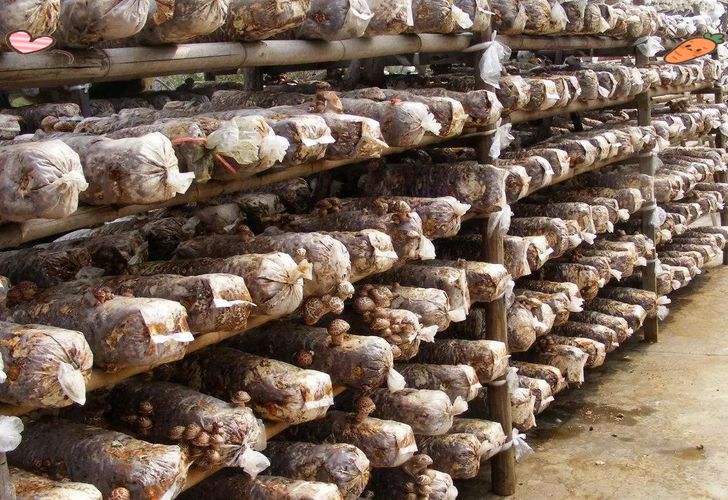
The production of edible bacteria includes seeding and cultivation. There is a large number of plant-making equipment, ranging from simple to complex, from thick to refined, to serialized, modern production, with a development process; and a plant and mushroom house, with a scale and protocol, requires progressive investment and development。
1 bacillus cookers: there are high-pressure bacterium cookers and common-pressure bile cookers. High pressure fungi kill the fungus in the oblique interview tube for 30 minutes at 1. 1 kg/cm2 pressure, and the fungus kill the fungus in culture such as cotton shells and wood crum2 in mushroom bottles for one hour at 1. 5 kg/cm2. There are conditions for the purchase of hand-held medical disinfectant pots, which can disinfect 50-60 test tubes or 10 mushroom bottles at a time. (b) commonly compacted bacterium stoves: made of brick cement, with disinfection on the steam pan, with only six to eight hours to burn the water; one to two hours after the cease-fire; usually used for disinfection in production。
The simple disinfection is currently performed by the use of the vacuum gap to disinfect the water and keep the water open for 1 - 1. 5 hours, a 30-minute cooling of the ceasefire, and a fire to burn and maintain the water for 1 - 1. 5 hours. Microwave cleaners can be sterilized in high and high slots, can be sterilized in 10 minutes, and can also be sterilized in gap。
2. Vaccination kits: the transfer, separation and proliferation of all bacterial species must be carried out in the vaccination kits; the requirements are tight and operational. The general improvised vaccination kit is 50 cm high, 47 cm wide and 82 cm long; a glass of 30 x 32 cm above the long side is installed for observation, with two holes of 14 cm diameter below, with 33 cm long cuffs on the mouth, and the sleeves are reinforced with loose straps. Lights in boxes, with the condition of an extra ultraviolet light. Open vaccinations are now commonly used in large areas of production, which requires the purchase of an vaccinator to inoculate in sterile areas。
3. Warmboxes: there are autocratic and home-made grounds, and the home-made wooden boxes can be fitted with double panels, which contain wood crumbs to keep them warm, and the boxes contain several specification bulbs to regulate them. Now it's also made with ovens, and it's generally warm。
4. Culture rooms: dry, clean, ventilated, dispersed light is required, bacterial seed is to be disinfected before entering the room, multi-storey incubators are to be prepared in the room, heaters are to be provided, and iron pipes are to be exported outside the room for venting. In the summer, there's a fan to cool。
5. Plantation
Scales: 500 grams of normal scales, two sizes of 500 or 1,000 ml for measuring water
Test tubes: typically 20 x 200 mm specifications
Small funnel: bacillus: fungi bags: high-temperature polyolefin film, alcohol lamps: vaccination knives, shovels, needles, stings, cotton, gauze, etc。
6 sterilizer: formaldehyde: 2 ml/m3 for space fumigation
Potassium permanganate: 0. 1% solution for material surface disinfection and 5 g potassium permanganate plus 10 ml of formaldehyde mixed fumigation。
Neo-jel, bleaching powder, multibacterium, lime, etc. Are common disinfectants。
7. Shroom construction:
The basic requirements for the construction of mushroom sheds are to cover the sun, to maintain the three-minute sun, seven-square shades of the shed, to disperse the light and not to project the sunlight directly; and, secondly, to ventilate, to have a ventilated air hole, also to keep the temperature and humidity, to allow for operational management and harvesting. The main forms are:
1 plastic sheds: arched plastic sheds are generally 1. 0-1. 5 m wide and should be determined according to the width of the mushroom bed. The sheds, which contain thin membranes at a distance of 0. 3-0. 6 metres from each other, have a good temperature-enhancement effect and are part of an outdoor fungus shed。
2- semi-pit huts: semi-pit huts are more suitable, adapted to local conditions and designed in a simple manner. The main structure and features are: (1) east-west or north-south travel is possible, typically 50 metres long and 6 metres wide, and the two sides are raised with bamboo poles, with bamboo or bamboo bows forming an arc. (2) the surroundings are covered by earth walls, which are dug about 30 centimetres below the ground, the surrounding walls are about 50 centimetres high and the mid-rise ridges are about 2 metres high. (3) strangling the skeleton with wire, covering the membrane on the top, covering the surroundings with earth and covering the shade with straw. Such sheds are cheap, warm and wet, spread light is even, ventilation is good and operation is easy。
3. Daytime greenhouses: this is a greenhouse that uses daylight as a source of energy, which is generally warmer than the outside world, is more than 10°c, and has no temperature variations, and its back wall is made of earth walls or double-layered bricks, consisting of pillars, beams, etc., and the sheds are covered with film and grass curtains, and the back wall is ventilated。
In addition, there are steel shacks, which grow in large areas and are warm, but which need to be covered with sunnets and straw curtains in winter to keep them warm。
V. Basic techniques for the production of edible bacteria
(i) cultivation of tertiary bacteria
The bacteria used in the production generally go through three steps. The mother species (first-stage test tube species) are expanded - the original species (second-stage wide-split bottle species) - to produce the culture (third-stage fungus bag species)。
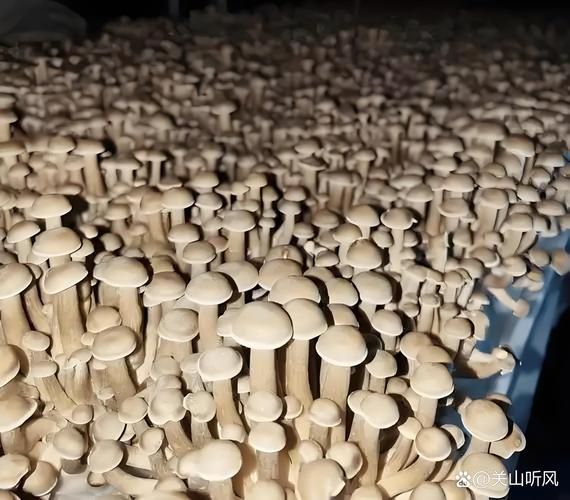
1 mother culture: pure bacteria derived from the separation of spores or tissues and called mother species in production. In the development of the parent species, suitable cultures should be selected and expanded according to the conditions necessary for the growth of the fungus of different foods. (1) potatoes, glucose, glucose (pda) culture, (2) potatoes, sugar cane, cedar (psa) culture。
The method of preparation: wash the potatoes out of the skin and call them 200 grams, add 1,000 ml of water and boil them for about 20 minutes; use the gauze over the slag, add 20 g of jong and 25 g of white sugar to the juice, heat them up, melt them, then fill the water with 1,000 ml, and then boil them and then load the test tube in the heat. They are subsequently sterilized by high pressure and form an oscillated culture base, inoculated to form a parent species。
2. Production of primary and planted species: the mother cultured in the test tube is divided into four to six blocks and transferred to wide vases such as cotton seed casings, wood crumbs or screech, where the fungi cultured by constant temperature is called original. Ingenuity is transferred to the same culture base for expanded cultivation for the production of bacteria. It is common for a parent test tube to connect five original bottles and a bottle to produce 10 bags. In the process of cultivation, primary and planted species are exposed to temperature and humidity and are subject to constant screening, air ventilation, sunlight and bacterial contamination。
Primary grain culturer: 1,000 grams of wheat
Plaster 2 g calcium carbonate 5 g water 1500 ml
First, immersion of wheat grains for three to five hours, heating and boiling for 15 minutes, lightening of wheat grains, drying of plaster and calcium carbonate。
Clinker culture: cotton shells 50%
Crumbs, 30% gill, 18% plaster, 1% sugar, 1% sugar
(ii) four-season mushroom season arrangements
Depending on the temperature requirements of the different mushroom varieties, and taking into account local climatic conditions, it is necessary to choose the stage of planting and sowing in order to produce the mushroom period and achieve higher yields。
Depending on the response of different edible strains to temperature at the sub-entity level, they can be divided into three main types。
1 low temperature type: subs physical partitioning temperature below 24°c and temperature below 20°c, such as mushrooms, mushrooms, mushrooms, golden needle mushrooms, monkey head mushrooms, etc. Crops are generally produced in september, seeded in october, and produced and produced mushrooms in the autumn, winter and spring seasons。
Medium temperature: the sub-entity is divided at a high temperature below 28°c and is at a temperature of 22-24°c, e. G., wood, silver, chicken leg mushrooms (low temperature). It is usually done in mid-august, seeded in late september, mushrooms in autumn and spring。
3. High temperature: the sub-entity divides at a high temperature above 30°c, with a temperature above 24°c, represented by mushrooms, mushrooms (high temperature mushrooms), abalone mushrooms (high temperature mushrooms, taiwan mushrooms)。
Crops are usually produced in may-june and mushrooms are produced in july-september。
(iii) principles for the regulation of culture
The formulation of the culture is the type and quantity of the main raw material and the auxiliary material used in the production of the culture base, depending on the requirements of the mushroom species and the full use of local resources. A more rational, scientific formulation must be determined by three conditions: nutritional, air-transmitting, and water-bearing, so that the bacterial species can grow faster, the fungus is rich, productive and of good quality。
(i) nutritional: eating bacteria require a large amount of carbon, nitrogen, inorganic salts and growth agents for nutritional and reproductive growth. In general, the absorption of carbon sources is 25 per cent, insufficient carbon sources and the fungus is prone to early decay. Nitrogen sources are weak, slow, nitrogen sources are excessive, myceloids are hyperbole and adverse accumulation of metabolites. The general edible bacteria compare favourably with about 20:1 during nutrient growth and about 40:1 during anthropophysical development. Co2 supplements are mainly sugar, and nitrogen supplements are mainly gills, beans, rice, ammonium diammonium and urea。
(2) ventilation: if the formula is accompanied by a large quantity of materials of a fine, low-temperature nature, the fungus accumulates more carbon dioxide and harmful gases during the growth phase, inhibiting growth and even death, a well-ventilated culture, and a brevity of the fungus and nuclei。
(3) water retention: to maintain relatively well-fed raw materials that adequately meet the water demand and nutrient absorption by the microcosm and sub-entity, reduce water spraying and maintain nutrients in the culture. Otherwise, the fungus or sub-entities are drying up due to the lack of timely recharge of water sources and stopping growth and development. More water-bearing breeding materials include straw, corn, etc. Crop straw nutrition is better than cotton hulls, so try not to use a single straw as much as possible as a composite culturer (a mix of several straws) to prevent malnutrition or a single. Bean straw, maize heart is rich in blends and good in air, but poor in water; soybean straw is rich in nutrients and poorly treated for air and good in water; straw and straw are common in nutrients, but with good air, poor water bearing, wood chips are rich in carbon, good water holding, poor gas in gas, and, when formulated, both make full use of abandoned crop straw and take into account several raw materials, using the principle of comparative advantage and combining, so that the blended culture base is nutritionally rich, gaseous and good in water holding, and adequate for the growth and development of the microcosm。
(iv) bacillus cultivation methods
In recent years there have been many new breakthroughs in cultivation methods, which vary from one plant to another, based on old plantings, bags, etc., such as gardening, protected land cultivation, stereoculture, underground cultivation, land cover cultivation, anti-season cultivation, etc. It should be noted that these techniques are applied in both positive and negative ways and must be combined with local practice. Here are some of the more advanced cultivation methods。
(1) sphinx bed covered with grass: both the advantages of replanting mushrooms and overcoming the disadvantages of the mudting of mushrooms by laying beds around 1 metre wide and 30 centimetres deep in the sheds, defusing the dirt from the pit floor and laying a layer of fatness, cutting out the mature bag from the middle into two knots, removing the filament, placing discharges inside the platinum, with no thickness of the earth, watering up the water, and then covering the fungus, with a layer of rice straw 15-25 centimetres long (precalcipitated lime water) thicker than it is clearly invisible, and then re-covering the membranes, with the fungus, with a large amount of originals occurring in a few days。
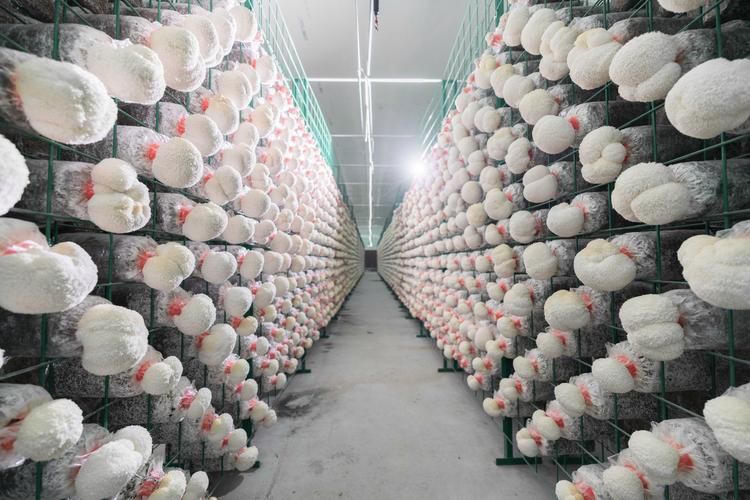
(2) single-temperature mucous wall restoration. Pre-positioning of materials for soil retrieving and wall rubbing, better with river and pond mud, followed by vegetable gardens, with 4 to 5 per cent of vegetables added to the soil and leaching, 0. 5 to 1 per cent phosphorous fertilizer, 0. 2 per cent urea, 0. 1 to 0. 2 per cent potassium dihydrophosphate, 1 to 3 per cent lime powder, with appropriate water levels, to be converted to nutritional slurry. In the huts, scrambling or building walls at a distance of 80 to 100 cm (higher than 15 to 25 cm) lined off the boulders on the earth, quenching the fatter (4-5 per cent of the vegetables and leaching the fluids with 0. 4 ¥- 0. 6 per cent urea) with a layer of nutrient slurry, piled up to 7-10 floors, 90 to 110 cm high, then slurryed with mud, razed the surface of the wall, then dried the next day after the drying of the wall, and made from the top of the boulders of the bacterial wall into a water tank, regularly watering and allowing natural infiltration to keep it wet。
(3) pocket replanting: when the fungus of the fungi are removed from the film, they are grown directly in the shed and in the bed. Selecting well-drained and fertile plots, digging 10-20 centimetres deep, 100-150 centimetres wide, an open-ended bed, a bed north-south, digging drain ditches around it, the bed floor demands flattening, spreading a small amount of lime disinfection, then placing the blubber out of the bag vertically on the bed, cleaving 3-5 centimetres between the blubbers, filling it with fat soil or fermentants, then using 1-2% of lime water to disinfect the soil cover material with three-5 centimetres thick on the face of the buffalo (or vegetable garden soil) before it is used, rebranding the soil, covering the film and herbs, avoiding direct sunlight and then managing it with mushrooms。
(4) a narrow den is planted. For example, mushroom production, which is 1 metre wide and 10 cm thick, is then separated from the upper layer by wooden sheeting to narrow the surface of the bed into waves. The peak is 30 centimetres apart, pressured by planks, then sowed with a lasagna, 10 centimetres by 10 centimetres, with a layer of bacteria on the surface, a layer of material, flatbed with a plate, covered with a 2 per cent lime water-coated shredding of straw, and fungus with thin membranes for routine management。
(5) indoor bed cultivation: mushrooms in general, mushrooms in general, etc., can be installed in indoors and sheds. Beds should be robust, average bed width of 1 m, 4-5 layers, 50 cm upper and lower, with scattered light on the bed, plastic sheeting on the bed, pre-use application of 5% lime water to spray four walls and ground, e. G. Mushrooms, pre-past-past, thin, flat-painted, average 15 cm thick, generally in order to take advantage of the fungus, usually with a den, with a range of 8 x 10 cm and a depth of 3 - 4 cm, and a typical 750 ml of mushroom botage that can sow 0. 27 - 0. 33 square metres. This is done by digging holes with fingers, placing bacterial species in caves, covering a layer of culture, light pressure, tightening the bacterial species and materials, and then covering wetting with film, and dark light bacteria。
(v) measures to reduce bacterial contamination from the production of edible bacteria
The development of edible bacteria production to control bacterial pollution is a very important link. A fungus is defined as any micro-organism that inhibits or prevents the normal growth of the fungus, other than the non-specific cultured edible edible bacteria, and is collectively referred to as the fungus. Major measures to reduce the contamination of fungi in general:
1. Clustered, blocked culture materials shall be broken, the culture material shall be fermented or limewater treated。
The mother species and the native culture culture cannot absorb the contamination with wetness, so that it is moderate and soothing。
3. High pressure fungicide is subject to pressure, temperature, and timing. In order to master the secondary vent, the mother-plant in vitro is not less than half an hour and the original is not less than one hour. It is usually crushed for at least 10 hours after the hourly temperature。
Inoculations must be carried out strictly in accordance with sterile operational requirements, without reducing procedures and minimizing sources of pollution。
5. Ventilating and dry and timely disinfection of the culture room。
Prevention of bacterial pollution should be supported by a precautionary approach that reduces pollution, increases production, reduces costs, improves quality, eaters and health。
7. Common fungs: common chain molds (red baking) during high-temperature seasons, green molluscs, first white, then green, first white, then gray to black; blue mellows in broom form, as well as fungus of quagmire, quagmire and genus. The fundamental approach to prevention lies in the rigorous operation of each chain, the timely detection of the occurrence of the disease and the adoption of measures to prevent proliferation from spreading
Vi. Cultivation and management of mushrooms
The mushrooms are side-eared, and it is easy to grow other mushrooms because they are widely known as a group of edible species or varieties, which are now very diverse, have similar habits, learn to plant them。
Basic habits: 1. The temperature range is wide, and the filaments require 20-28°c, but the sub-entity is high, medium, low, wide, and can select the species according to production needs. High humidity cultures contain 60-70% water; sub-entity air moisture 85-95%. 3 aerobic bacteria with sub-entities long, covered, and deformed mushrooms during poor ventilation. 4. Optical acidic environment with culture ph of 5. 8-6. 2. 5. The light requires that the fungus be dark, but that the sub-entity be dispersed, light is strong and dark and light is weak. 6. Wood fungus, using starch before decomposing fibres and wood tails。
2. Cultivation methods
1 with clinker, fermentation and, in general, raw plant. The application of 85 per cent cotton shells and 15 per cent maize powder is generally disinfected with polybacterium 0. 3 per cent, mixed with 0. 5 per cent salt, free of disability, and contributes to growth and development with a water ratio of 1:1. 3 plus calcium phosphate。
2 ammonium, urea, etc., need to be soluble in order to mix and even out. The raw material needs to be suffocated for one day and planted in bags on the following day, with a bacterial volume of 10 per cent of the material, three layers of the fungus and two layers, followed by an eye-opening aerobics。
3 management: a. Mystic production phase: 20-25 days to complete mystic growth, 22-24 degrees temperature, 3 days start-up, 6 days deep penetrator, more than one third of 15 days fungus, cleaning of fungi contamination and ventilated air, and overturning of bags。
B. Sphinx phase: in order to produce mushrooms in the morning, be careful to increase the temperature of the day and the night, close the curtains during the day, ventilated at night, temperature difference of 6-8°c, mushrooming period not exceeding 20°c, which is classified as a temperature-transforming mushroom. Watch out for the dispersing light; if the skin is found, it should be scratched and the fungus sprained。
It is not possible to spray water head-on, it can be sprayed only on surface walls or in the air, be careful to collect mushrooms in a timely manner, injectable nutrients and recharge water after taking mushrooms, be hygienic, produce two tides of mushrooms in about half a month, and be re-planted with more than 30 per cent of output。









