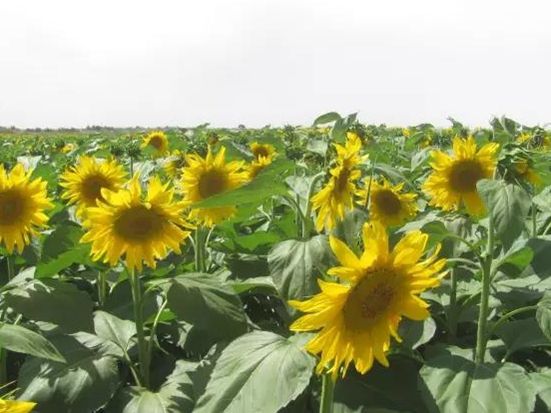
Sunflowers, which are used for pelvis, have a shorter birth period and generally bloom in about 50 days. There are more branches of sunflower suitable for potting, such as ‘vigorating’, ‘happiness dwarves’, ‘bey bear’ and ‘golden monika’, which allow many beautiful and beautiful sunflowers to continue to grow in succession, prolonging the observing time. Even more unique is the fact that these varieties do not have pollen, and those who are allergic to pollen can have intimate contact with beauty。
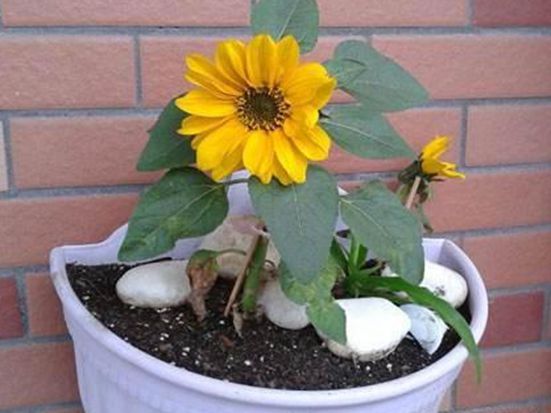
The seedlings can be grown with dens and nutrients, and the seedling matrix can be matched with two 誜1 誜1 誜1 = 1 誜1 誜, with a small amount of organic fertilizer. The pelvis seed is small, the top soil is relatively weak and is not too deep to sow, usually at about 1 cm. Scattered soil and light repression, such as breeding in the spring of winter, can protect the temperature and reduce the time of seeding. The soil is kept humid after broadcasting, with seedlings generally occurring three to five days in summer and five to 10 days in winter spring。
Early planting can reduce the time required for seedlings, while preventing the emergence of “high-foot seedlings”. When the plant grows a pair, it moves. After two weeks of planting, sunflower seedlings grow strong roots. The roots of sunflower seedlings are strong and are the basis for ensuring a high rate of survival。
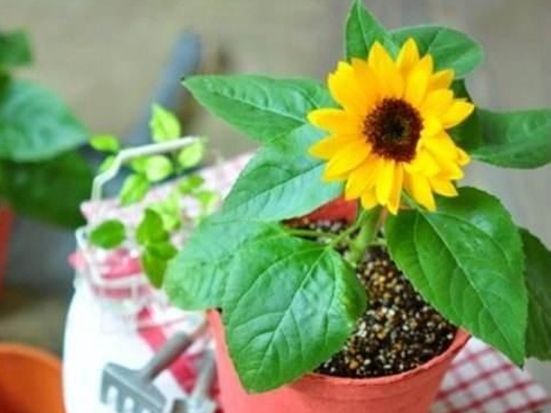
Water management should be properly managed when it is established so as to prevent it. Following this, water is properly poured to meet the growth needs of the plant according to its growth. It is not recommended to apply bottom fertilization to avoid excessive fertility that would overwhelm the tubing, either in pursuit of fertilisation or by leaf spraying, depending on the growth of the plant。
The incidence of sunflower pests is low, with the main diseases being bacterial foliage, rusty disease, stasis, powdery disease and black spot disease; the pests are mainly aphids, blind, red spiders and beetles, which can be prevented if they occur.

The point of the plant growing sunflower
1 soils: sunflower requirements are not stringent for soil and can be grown in all types of soil, from fertile soils to drylands, infertiles and salines. Strong salin resistance。
The soil is rich in decay and well drained sandy soil. The ground floor of the pelvis is applied to base fattening, with as much soil as possible and less roots used for seedlings, in order to restore the plant faster。
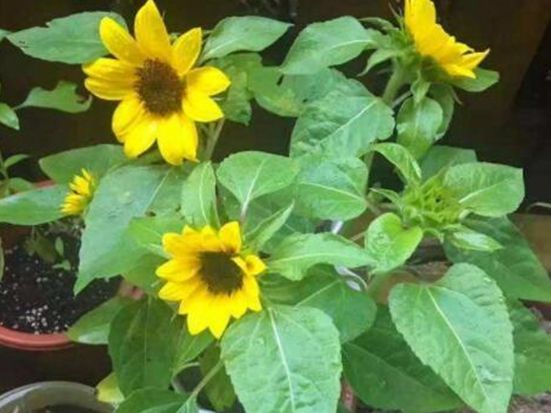
Temperature: sunflowers are hot and hot, intolerant and cold. It grows at a temperature of 21-27°c during the day and 10-16°c at night. Low early spring temperatures and slow growth of plants directly affect the timing of flowers. If the temperature is longer than 30°c, the temperature difference is too small, the leaf is easy to grow and the period is shorter。
3. Water: the sunflower is grown large, leaves are dense and more water-consuming crops, and the leaves are easily dehydrated and decayed in the long run. But it's not appropriate to get wet, get wet and get over it, and the base leaves are yellow. Soils are often kept wet, especially in times of high summer temperatures and drought。
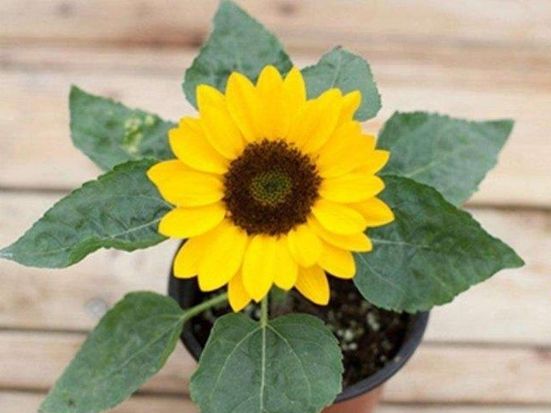
Light: sunflower is a short-lived solar crop, but its reaction to sunlight is not very sensitive. Sunflowers like plenty of sunlight, and their seedlings, leaves and florists are very bright. If the rain is continuous or long-lasting in a semi-vaginal environment, the stem is not sufficiently dry, the leaves are soft, lean, yellow and green, and the florist is small and untidy。
Fertilizers: fertilizers are applied on a long-term basis every 20 days, but two to three thin phosphate fertilisers should be followed up before flowering. I'm using tae-won's town fatty. It's nice
:: long-term weekly fertilization of one: planting and maintenance of one seedling per den, 7 to 8 centimetres high, when the seedlings rise。
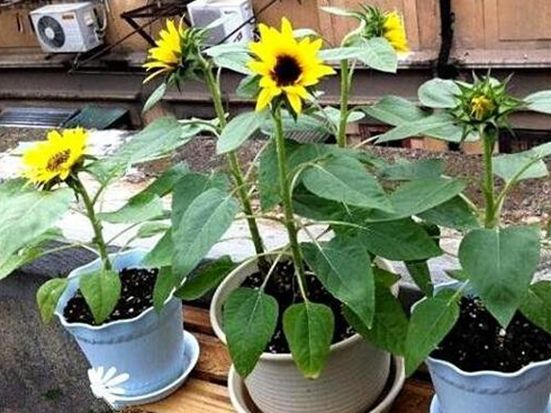
6. Surgeoning: so that the branches of the main branch grow and grow, and so that they may be removed. For a slightly higher rod, a pillar should be put in place to prevent the wind from blowing. The plant doesn't take care of its heart. Battery-high-stretch varieties can control the height of the plant by spraying between 0. 25 and 0. 4% of the b9 solution for 20 days. If flowers are seen, they can be taken once and branches can produce 4-5 flowers。