


I. Appreciation and ecological values
The gladiators are colorful and plentiful and are widely used in gardening and cut flowers. Its colours increase space beauty, release volatile substances that regulate air moisture and indirectly improve micro-environments. At the same time, swordland is a honey plant that attracts bees and other beneficial pests and promotes ecological balance。
Ii. Documentation of traditional medicines
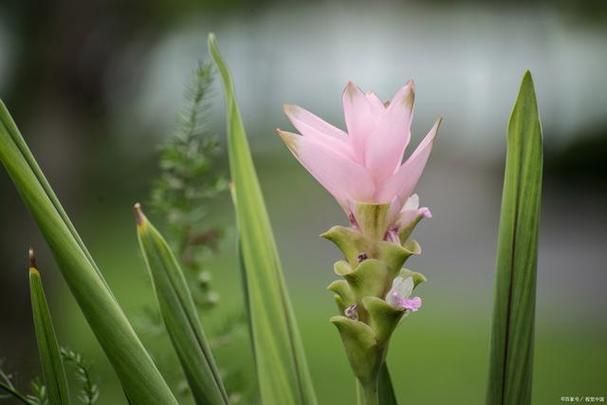
In some areas, folk therapy considers the saline tubers to contain components such as bioalkaline, soap, etc., which can be used externally to treat skin ulcers, fall injuries, or frying suits to relieve swollen throats. However, these uses are based on experience, lack of modern pharmacological certification and presence of trace toxic substances in the tubers, which can lead to reactions such as nausea, diarrhoea, etc。
Iii. Use of care
Non-substitute drugs: the effects of the use of the drugs in the swordland are not recognized by the authorities and medical treatment is not a priority. 1. Avoid eating by mistake: plantation (especially the tubers) may cause allergies or poisonings that require distance from children and pets. 2. Allergie risk: skin redness may occur when some populations are exposed to their juice, and gloves are recommended for trim. 3.
Iv. Cultural and psychological roles
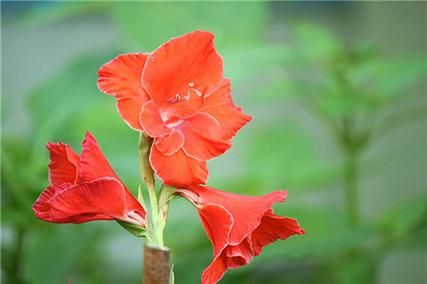
In western culture, it symbolizes “winner” and “mention” and is often used for celebrations or memorials. From a psychological point of view, their sharp-earthed twigs and bright colours can ease anxiety, help relax emotions and fit into areas such as study rooms, living rooms, etc。
V. Progress in modern research
Currently, research in the field of horticulture and analysis of chemical composition is concentrated in the field. A small number of experiments indicate that their extracts may be resistant to bacteria and to oxidation, but the specific mechanisms of action and effective doses still need to be further explored. If it is necessary to try the traditional usage, it is recommended to consult with a chinese physician or a botanical expert in advance。
In conclusion, the core values of the sword are still largely seen and other uses need to be viewed rationally. Both medicinal and routine maintenance need to be science-based to ensure safety and relevance。









