


First look at the soil, the roots and the position
Then you decide whether to do it or not
The green leaves of the bouquets, the interior conservation, the change of basin judgment
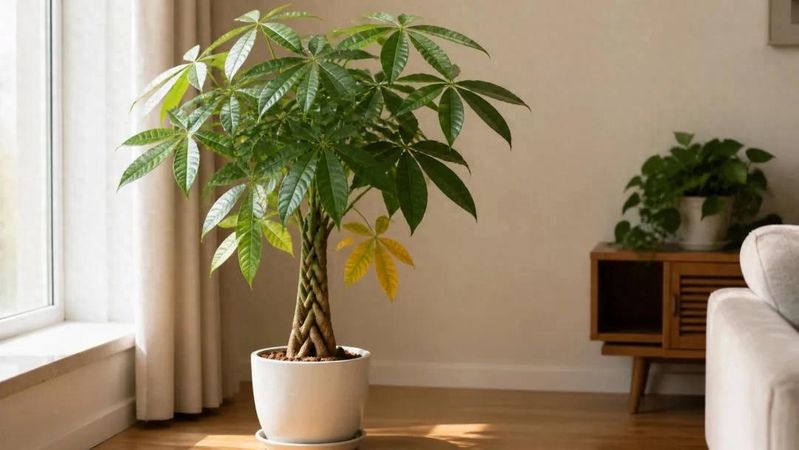
Recommendations for urban family farming
Wrong correction
Don't start digging. It is often more important to see the problem clearly than to change it immediately。
There's a leaf or two in the tree, and the first reaction of many people is to change the basin. The earth fell down, the roots were cut open, a bigger basin was replaced, and water was poured over again. When you're done, the leaves are even yellower。
The reason is not mysterious. The yellow leaf is only a signal, which can be pushed out by weak light, chronic dampness of the soil, air-conditioning vents, pests and congested roots. Switching basins will hit roots and change the water rhythm. If we don't find out what's going on, we'll have to do two things at once。
This one says only one order. It takes 10 minutes to look at the soil and the environment. It's got root problems before dropping out. The yellow leaves do not necessarily turn green again, and the new leaves in the back are unstable, making it even more clear that they are being handled correctly。
01
Part
Let's see where the yellow leaves are
Check beforre you remot
Count first. Only a small amount of leaves close to the lower part turn yellow, and the whole new leaf is still alive, so it can be cut off and observed for a week. If the yellow leaves continue to grow, even the new leaves will fade down, fall down or fall, and then look down。
First look at the soil. Finger down two or three centimeters, not just the surface. It's still wet, and there's water in the trays or in the basin. Long-term wet soil can damage roots and leaves can also be yellow and downside。
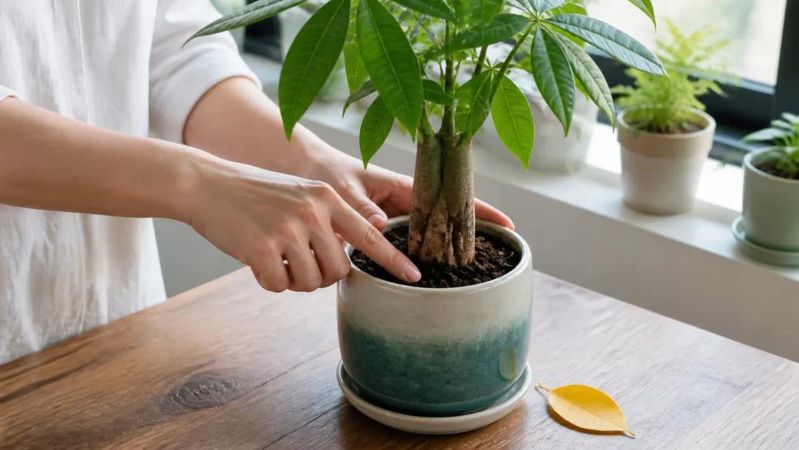
First you touch the ground, then you decide whether to water it or not
We'll see if we've moved recently. Leaves may have reacted to air conditioners and cold winds at the door, as they have just been brought home from the flower market, moved into the room by bright windows. The lack of light also brings yellow and falling leaves. It is more useful to stabilize the position at this time than to change the soil repeatedly。
And the back and the handle of the leaves shall not be missed. Little insects such as shellworms, pink platinums and red spiders make leaves light yellow. When worms or thin webs are found, the plant is separated and the pest is treated, and the change of basins does not solve the problem on the leaves。
02
Part
It's wet. It's still bad. Look at the root
Roots tell the truth
There are three situations in which debauchery is necessary. The soil has been wet and leaves have continued to be yellow and soft. The bottom of the basin tastes boring and the trunks soften near the ground. Or the frequency of water watering has not changed, but the plant has become less and less alive. Once the roots of the wet soil are damaged, the leaves will appear like water shortages, and continued water recharge will only prolong the problem。
Keep it light
Let's get the whole earth out of there. Don't come up and wash the roots. Whether the roots are solid, light or brown, soft and smelly would be very different。

The roots are solid and light, which means there's no need to change the basin this time
The roots are basically solid and there are loose old soil around them, so put it back in the basin. The next change is the watering rhythm and positioning. Don't expand the flower basin just by seeing one or two。
Only when the roots are clearly soft or the old earth is strained are the process of changing basins. Clear the roots of the visible damage and replace them with clean, better draining media and boreholes. After treatment, it is placed in the light-dispersed and ventilated areas, so as not to fertilize, nor to move into the sun all day。
03
Part
I really need to change the pot
When a reot helps
There is a need for a change of basin, and there is usually more than one leaf. Roots are drilled out of drains, and roots are visible on the ground. After debauchery, the outer layer of the root is covered with roots, and at the bottom it is almost invisible. It would also be significantly faster than before, with smaller new leaves, and abated between normal watering。
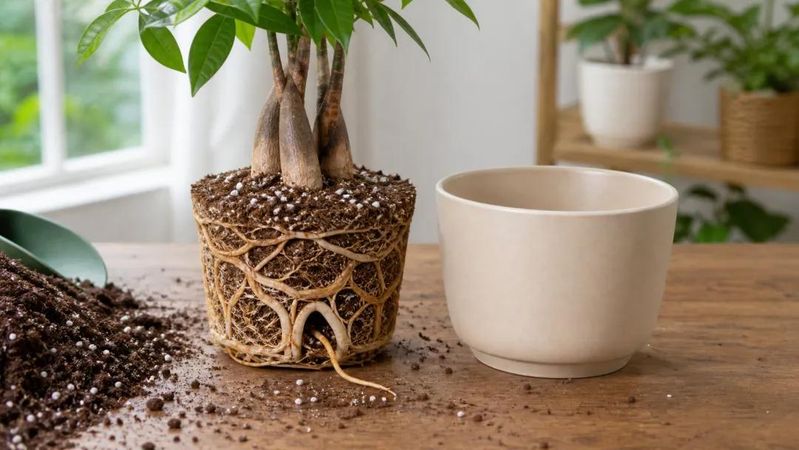
The roots are filled with roots
The new basin doesn't have to be much bigger. A little more than the original basin diameter would suffice, and the flower basin would be too large and the additional soil would retain more water, increasing the risk of strangulation. Set the tree at its original planting depth, with a drainage hole at the bottom of the basin and the water in the coating basin and trays to fall down in time。
If the family is at the end of the hot and wet summer season, especially in the yangtze basin and in china, the first priority after the change is ventilation and drainage. The north starts to cool off sooner or later and does not water frequently at the rate of summer. Wherever it is, observation of the dry and wet state of the basin and the new leaf is based on calendar operations。
/
Last
After the yellow leaf, reduce the problem
A calmer order
Yellow leaves look first at the soil, then at location and pests. It's wet and it keeps getting worse. A change of basin is considered only when the roots are crowded or damaged。
It's not as easy to feed as you can. There are a lot of small problems that can be seen in the direction of a stable environment and a few less days. It's easier to change when it's really necessary。
References
1. Information on the risks of green leaves, pests and water harvesting at north carolina state university
2. Information from maine university and illinois university on the department of root inspection and reloading signals
3. Information from iowa state university and the university of california on yellow leaves and drainage of indoor plants









