


It's been a fruit season for months
It's a good time to eat grapes
To make grapes free
Someone planted grapes at home
Let's listen to the experts today
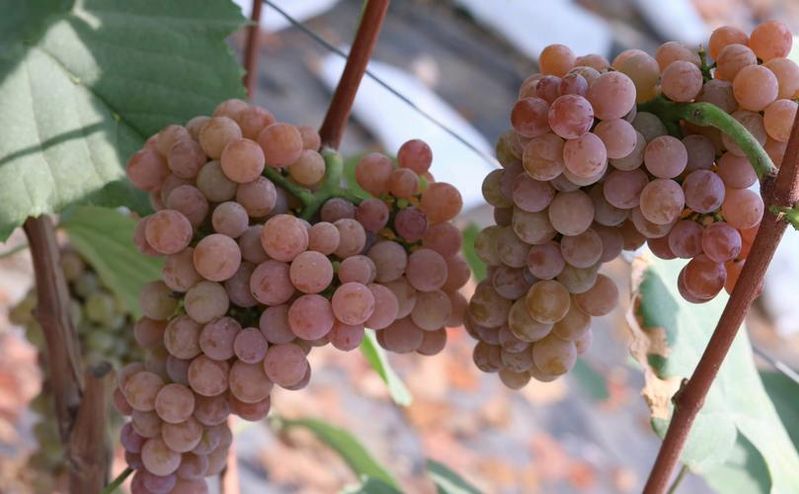
Answer two little questions about grape cultivation
Q1: do many fruit trees need to be pollinated to produce results and do grapes need to be brushed manually
Yeah
On the question of whether grapes should be artificially pollinated as a result, it depends on the variety of grapes and the conditions under which they are grown. Most varieties of grapes do not need artificially pollinated, and can be pollinated successfully and with the help of the wind or bees。
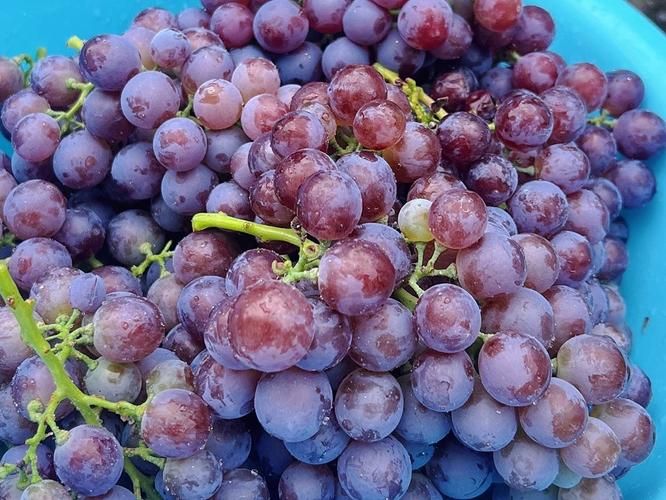
However, there are a few varieties of grapes that require artificially pollinating because they are unfavored or unfavored, i. E. They cannot pollinate one another between the same grape tree or the same species of grape, and other varieties of pollen are needed to produce results. For example, species such as roses, beauties and creson are all in this category. When confronted with this type of grape, two different varieties of grapes are required for pollination. It can also be pollinated by wind or insects, but because it is pollination by a different strain, pure natural pollination can lead to uneven pollination and decrease the rate of results, which can be assisted by hand, as you say, just brush a brush。
Q2: how should grapes be trimmed in winter
But
Grapes are usually trimmed in winter before the leaves fall and the soil is frozen, so that nutrients and moisture can be reduced, and wounds can be avoided by freezing or infection. Specific times may vary from region to region, but generally between december and january. Of course, there is no frozen soil in the south, and it can be trimmed throughout the winter。
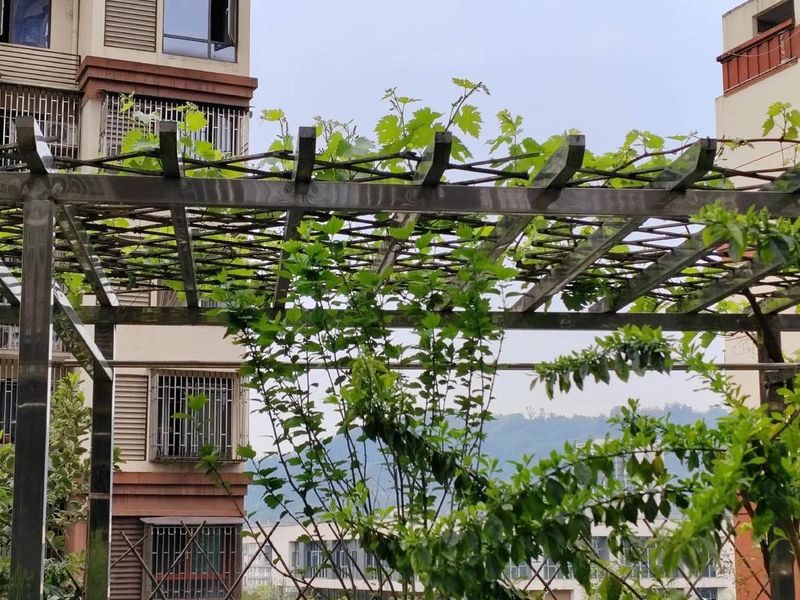
Grapes are trimmed according to their variety, growth, etc., and can be divided into four main types: short, medium, long and super long. Short cutters are 1 to 4 sprouts, which apply to varieties with moderate or weaker growth, with high base sprouting rates; medium cutter is 5 to 8 sprouts, which apply to species with strong growth; long cutter is 9 to 13 sprouts, which apply to varieties with strong growth or bias, with low base sprouts; and ultra long cutters are more than 15 sprouts, which apply to varieties with very strong growth and which are less vulnerable to fruit。
The trim is first to remove useless branches such as dead branches, insect branches, long branches, etc.; the secondary is to equip the main chicken with the result branches at a certain distance, and to completely remove the ill-positioned branches from the base; then to choose the appropriate cutting method based on different varieties and planting purposes, and to ensure that protection of the clitoris is protected against damage; and finally, to update the result branches and the chickens in a timely manner (which can be cut down by the old branches), maintaining the structure of the tree and the capacity to produce results。
This period is over
If you have problems with the conservation of your home plant









