


“look at the strength, this year's harvest must not be bad. After planting mushrooms in the summer, the ground was improved by shifting the ground to the bottom of the foot, and the land that had been laid out was defunct and fertile.” in the late winter, ja red, chairman of the board of directors of wuhan's conbing brethren co. Ltd., in the xu gu street, new cone district of wuhan city, softly touched the fungus of herpes under the black membrane and looked forward to it. Based on the new technology of “shell mushrooms + sheep beverages”, company cultivation has expanded from 8 acre to 100 acres today。
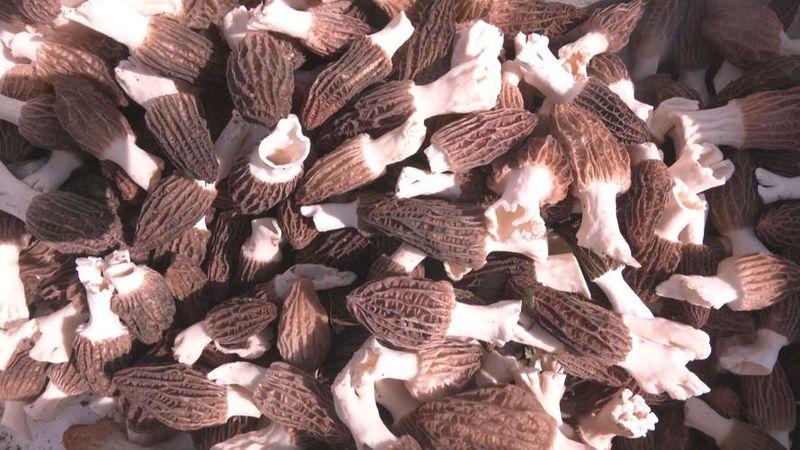
Not far away, in the mushroom sheds of the zhou wan industrial park, mouths and mouths are glamorous, and workers travel through the fungus beds, twirling mature mouths into baskets. The cropping pattern followed a season of one year, in september, and the harvest ended in may of the following year, with production of 40 pounds per square metre and production of more than 2 million yuan per year in 2025. After may each year, industrial parks plant grass mushrooms with an annual production value of about $1 million。
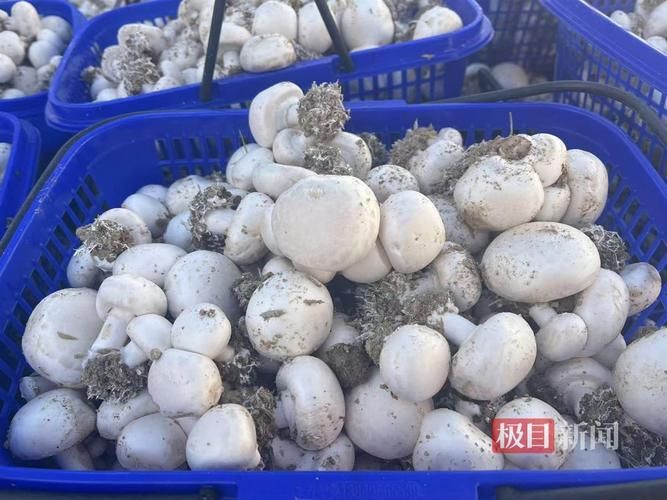
Since the cultivation of the twin mushrooms in 1997, xu gu's street, thanks to superior natural conditions and technological innovations, produced more than 20,000 tons of fresh products of all types in 2024, with an annual production value of more than 200 million yuan。
Today, there are 12 edible microbacteria enterprises in xu guo, 20 large family mushrooms, and the `trigroom four' recycling model has been expanded throughout the province, with 100 per cent utilization of the edible bacterium waste and 70 per cent reduction in the quantity of pesticides; almond abalone slag cultivation techniques have been incorporated into the local standards of hubei province; and foodbacteria-growing processing enterprises such as kim fuolé and xin chongzhou have been co-located, with a net-red powerer matrix and a canteen processing line with 200 million yuan on line and below。
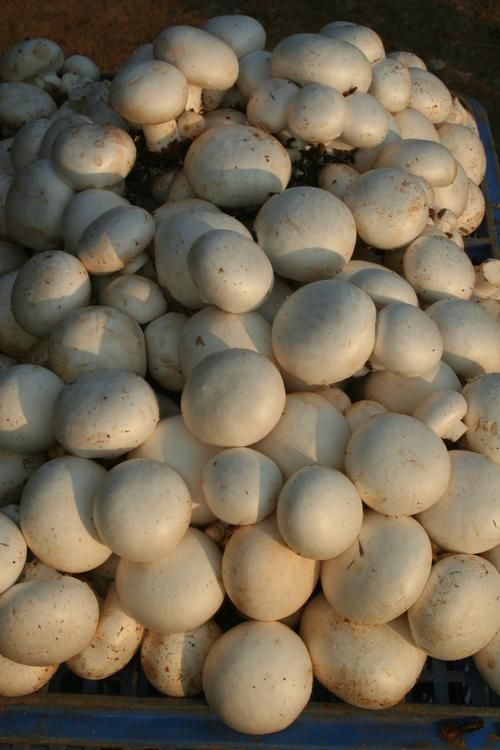
Industrial development requires well-developed support systems. In 2021, the xu guangu agricultural products sorting centre, which was established to produce and sell mushroom products on a day-to-day basis, was set up at around 4 tons, with an annual value of 10 million yuan; in december 2025, a smart food fung production plant, which invested $97. 5 million in wuhan fuol biotechnologies ltd., was built, directly leading to the employment of more than 200 villagers in the surrounding area; and a range of villages with a projected annual production value of 7 million yuan were set up for the sheep’s belly-scale cultivation project。









