



Recently, the common diet of bamboo has been referred to again by a number of doctors and nutritionists as more beneficial to the body than many thought. In everyday life, bamboo is not a rare thing, but many eat it more because they are soft and do not know that it contains a lot of healthy nutrition。
For older and middle-aged people in particular, the right amount and manner of bamboo is indeed an unexpected improvement in the body. In the author's view, bamboo is somewhat like a neglected “breeding treasure”, which, while ordinary, deserves careful understanding。

First, the high dietary fibre content of bamboo is one of its greatest advantages. According to nutritional studies, there are approximately 2. 6 grams of food fibre per 100 grams of bamboo, almost twice as much as spinach。
Dietary fibres promote intestinal creeping and help to drain. Many older persons are often troubled by constipation, and the lack of sufficient fibre in the diet is a key cause. And bamboo shoots happen to improve the problem。
Long-term ingestion of sufficient dietary fibres not only reduces constipation, but also helps balance the intestinal population and reduces the risk of colon cancer. Studies have shown that fibre intake is usually about 30 per cent higher than in the general population of healthy intestinal tracts. In such cases, the frequent eating of bamboo does have the effect of irritating the intestine and light detoxification。
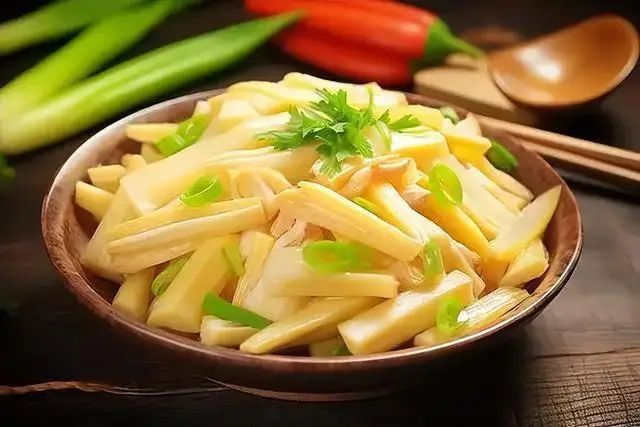
Second, bamboo fever is very low, which is a very friendly diet for people who control weight and blood sugar. More than 20 kilocalories per 100 grams of bamboo are almost negligible. Compared to the same amount of rice, the calorie amounts to only one eighth。
In other words, even with a big bowl of bamboo, there is no need to worry too much about the heat. For diabetics or people who want to lose weight, in particular, bamboo is a food that is fully fed and that is not easy to raise blood sugar. Added to this is the abundance of dietary fibre in bamboo, which slows carbon water absorption and helps keep the blood sugar stable after meals。
Many doctors have found clinically that diabetes patients who regularly eat high-fibrous foods have declined to varying degrees, both empty blood sugar and post-eat sugar. In general, this low-heat, high-breathing vegetable is the ideal option for weight control and blood sugar stabilization。
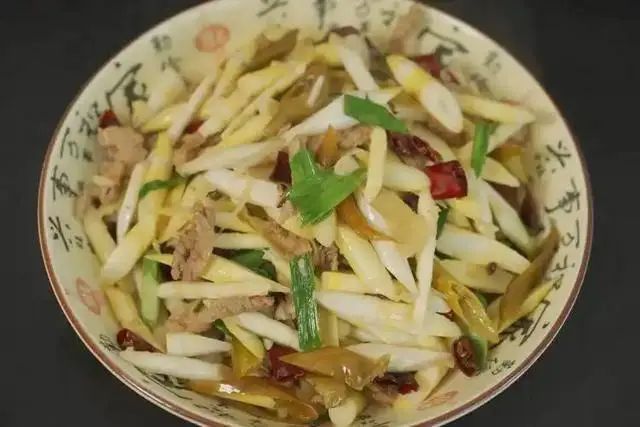
At the same time, there is a wealth of plant protein, potassium, magnesium and phosphorus. Potassium, in particular, is important for the cardiovascular health of the elderly. After all, there is an increasing number of high blood pressure and arterial sclerosis, and potassium helps to regulate the blood pressure balance and reduce the negative effects of sodium ion in the body。
In other words, eating extra bamboo helps to remove extra salt from the body, indirectly reducing pressure and protecting the heart. According to a study published in the nutrition front magazine, the risk of hypertension could be reduced by about 10 per cent among the population that increased its daily potassium intake of 500 mg. Potassium in bamboo is about 533 mg per 100 g, which is not low。
If you mix a diet with less salt, it helps to stabilize blood pressure. Of course, doctors have also warned that people with poor kidney function must eat bamboo at a proper rate, and after all, potassium metabolism depends on the kidney, which can be overburdened。
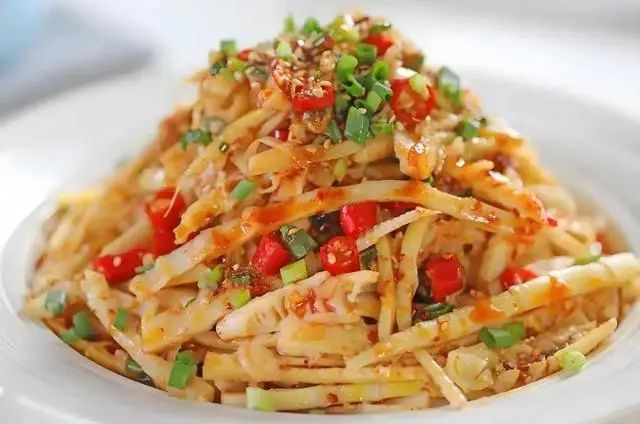
Moreover, the very low fat content of bamboo and the presence of a certain amount of unsaturated fatty acid make it very positive for blood resin. For middle-aged men in particular, greasy foods are usually much more greasy, and haemorrhage is common。
And bamboo can be used to assist in the loss of resin. The principle is mainly cholesterol, which combines dietary fibres and promotes discharge in the intestinal tract, thus reducing cholesterol concentrations in blood。
There have been experiments by research teams in the country, which have allowed high blood resin populations to eat bamboo products for three consecutive months, showing an average decline of 8 per cent in total cholesterol and nearly 10 per cent in low-density proteins. While the magnitude is not particularly striking, it is sufficient to show that bamboo can indeed play a stabilizing role in the daily diet。
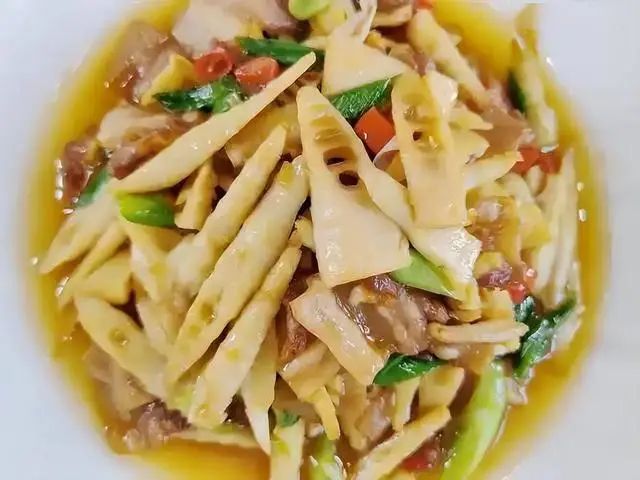
Of course, there is also the easily neglected characteristic of bamboo bamboo, which is its antioxidation content. A number of studies in recent years have found that polyphenol compounds in bamboo can help to reduce internal free radicals and slow cell ageing。
In other words, people who regularly eat bamboo, often have a more stable skin state and immunity than their peers. In particular, older and middle-aged persons are slow to metabolize, less resistant to oxidation, and are more vulnerable to fatigue and dark skin。
These natural ingredients in bamboo can offset some of the damage caused by oxidizing stress. A japanese study in 2019 revealed that the sero-oxidated enzyme activity is about 12 per cent higher among middle-aged people who eat bamboo-like food at least three times a week. This means that there has been an increase in physical resilience, with potential benefits for the prevention of chronic inflammation and old age。
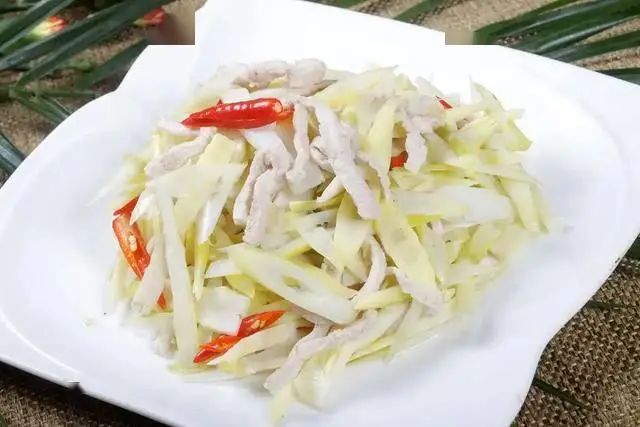
However, eating bamboo is not without problems. It contains natural herbic acid and, if eaten too much at a time, it can easily affect calcium absorption and may also form stones. Control is more important, especially for groups with poor kidney function。
It is generally recommended that it be two to three meals a week, around 100 to 150 grams each. In addition to this, bamboo sprouts are best watered before cooking, removing some of the herbic acid and bitterness, which makes the stomach more irritated and softer。
Doctors have warned that bamboo is good, but do not eat alive or overnight, as nitrite may increase the risk of poisoning. In such cases, when eating bamboo, other vegetables or proteins are fed, nutrition is more balanced。

In the view of authors, the benefit of bamboo is that it balances the two characteristics of “light” and “nutrition”. It is not as high as some vegetables, nor is it as hot as high protein meat。
The presence of bamboo is somewhat like a “baptizing” of the stomach, especially when the diet of modern humans is generally greasy and fibrous. Many people have been eating for some time, their body weight has become lighter, their stomach is comfortable and their skin state has improved. This is not a magic effect, but a natural consequence of diet restructuring。

In general, those who regularly eat bamboo tend to undergo several changes in their bodies: a better stomach, more stable blood sugar, easier control of blood pressure and blood resin, and a lighter mental state for the entire population。
While these changes will not occur immediately in a short period of time, differences can be seen in a few months as long as such dietary habits are maintained. At the same time, mackerel is expensive and diverse, and is a healthy food that is affordable to ordinary households。
In sum, bamboo is indeed a food that deserves renewed attention. It helps regulate the intestinal tract, controls blood sugar, stabilizes blood resin and provides the necessary mineral and antioxidation protection to the body。
The best foods, of course, can be maximized only if they are done in a manner and in quantity, with a good frequency and mix. Bamboo is not a panacea, but it does have a real effect on the body。
In an era of growing emphasis on dietary health, eating more bamboo, less greasy and finely processed foods may be one of the simplest ways to keep the body light and young。
For reference purposes only, please consult a specialist in a timely manner if you are ill
What do you think about bamboo? Welcome to the comment section
References









