


Kawazawa journalists
Twenty-five new varieties (classes) are arranged in two rows, one for sugar, single fruit weight, edible rate, etc。
This was the scene of a new technology promotion conference on new varieties, held on 15 may at the zheng dynasty and innovation demonstration base in cheng dynasty, under the auspices of the institute of horticulture of the sichuan academy of agricultural sciences。
In may, chengdu's major fruit shops became the main site. Sichuan is the country's largest production area, with a “big five stars” as its main force. However, the productivity gains of the “big five stars” during the years were “injured” when young fruit was exposed to cold freezing, and when maturity was heavily concentrated。
"it's time for new varieties to be introduced." at the presentation, jiang guo liang, the lead expert in the “1450” fruit tree conservation project in sichuan province, spoke of the family's presence。
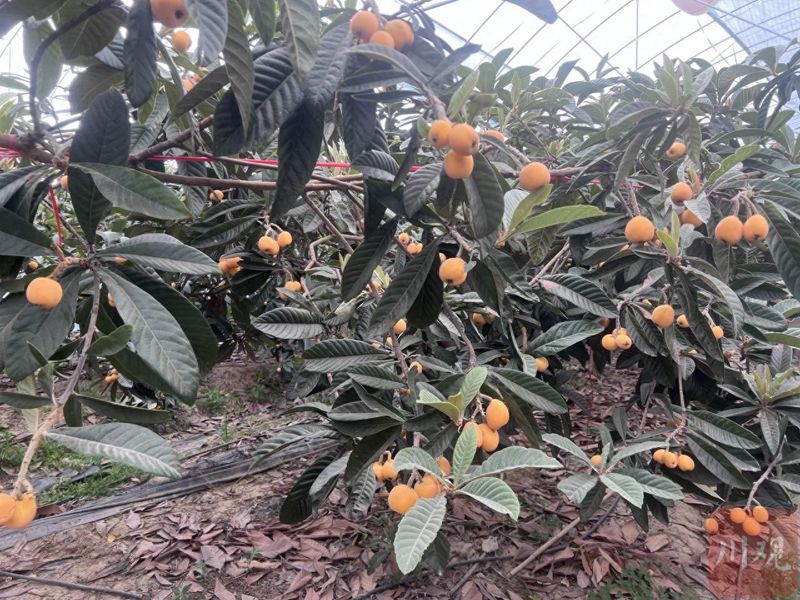
White meat from the base
Twenty-five new breeds. White meat
"it's a good color, but it tastes less fragrance and less sugar." "it's not heavy, it's colorful, but it tastes good." at the launch, more than 70 large growers from eight major producing districts (municipalities and districts) across the province tried to compare the data with a sense of taste。
Twenty-five new varieties (classes) were selected by the team of the institute of horticulture of the provincial agricultural college, under the auspices of the national priority research and development project and the “1450” fruit tree breeding campaign in sichuan province, into a series of white and red meat。
In contrast, several new species of white meat show remarkable data and taste。
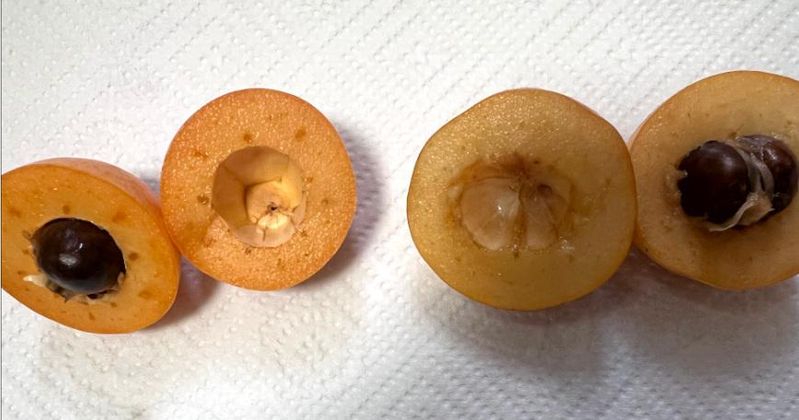
Red meat on the left, white meat on the right
The same experience must be shared by consumers who often buy tungsten - the more colored, the more sweet. On the contrary, the color is lighter and sour. At the conference, why did the white meat come out
“in fact, the national breeding community now has a breeding trend for white meat. Compared to ordinary red meat, such as the big five, white meat meat is more fine, tastes better, sugars are more sugary, and tastes more strong.” presentation by the horticultural researcher at the provincial agricultural college. “as a result of years of experimentation, the varieties are resistant, productive, and commercial, this time we have focused on six white meat species, namely west zhui 1, 3, 5, 7, 9, 11.”
The day before the presentation, yang, the general secretary of the gofeng village party of leapung town, de chan county, coolsan county, arrived in chengdu and planned to take home several more white meat varieties. The village is dominated by the village of kato, which has developed 2300 acres. In previous years, white meat varieties had been introduced into the village and a small number of experimental plants had been started. “the new varieties are doing very well on the ground, and although they are not yet on the market, everyone is confident.” yang added that once the market has been opened, the white meat will surely conquer it。
The area where benefits have been lost has been reduced, and sichuan is in dire need of improved varieties and technologies
Despite sichuan's strong position throughout the country, in recent years, efficiency has been undermined by the frequency of extreme weather events such as cryogenic frosts, monoculture and rising labour costs. The area under sichuan was reduced from 880,000 acres at peak to about 610,000 acres today。
According to jiang guoxiang, the sichuan plant varieties are still dominated by the “big five stars”, accounting for more than 90 per cent of the total area. In the main production area of the basin, which is concentrated on the market in mid-may each year, fresh fruit sales are under considerable pressure. Moreover, owing to poor infrastructure, production areas are dominated by traditional cultivation patterns. Not only are pests and pests difficult to withstand, but labour costs are also high. In 2016, a large-scale rain and snowstorm continued with cold frost, resulting in a freezing rate of more than 85 per cent of the sichuan fruit fruit crop and almost zero harvest for a large number of growers。
How can industrial challenges be addressed? In addition to promoting new varieties, jiang gue liang also taught growers the techniques of planting, efficacious re-establishment, efficient tree-forming, freezing mitigation, and green pest control。
“across the country, sichuan has a distinctive advantage. Between november and july of the following year, sichuan was the country's longest-serving production area, from the vale of peace, the grand divine river basin, the hills of the river, the dragon springs and the mountains of qinba. Once the variety and technology have been improved, the sichuan quail industry will be able to take another step.” chen tuan, director of the institute of horticulture at the provincial agricultural college, said。









