


Watermelon, one of the most popular fruits of the summer, has become the first choice for people with its sweet and juicy taste. Cultivating a watermelon is not a simple matter and, although it is not growing in high conditions, some farming techniques are still needed to reap a good harvest. This paper will provide you with an overview of watermelon cultivation methods in terms of the environmental conditions in which it is grown, the choice of varieties, the planting of seedlings, etc。
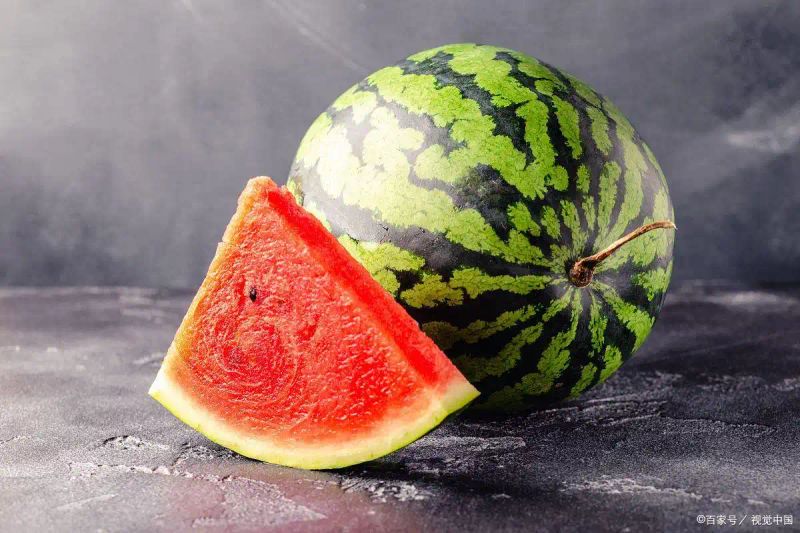
I. Understanding the growth habits of watermelons
Watermelon is of african origin and adapts to high temperatures and stronger light. Although its requirements for soil are not stringent, environmental factors such as temperature, humidity, light, etc. Directly affect its growth and development。
Temperature requirements
Watermelon demand for temperature is high. The most appropriate temperature range for seed gerontization is 26-30 °c, which is less than 15 °c and above 35 °c, which affects gerontivity and quality. The most appropriate temperature for the growth and development of a watermelon is 25-31°c, which is too low or too high to affect the development of the fruit, leading to a deterioration in quality。
2. Light demand
Watermelon is a short-lived crop, and sufficient light can facilitate its flowering. Watermelon demand for light is more stringent and, if the sun is too long or too short, it may affect its bouquets and results。

3. Soil conditions
Watermelon prefers deep, loose and well-watered soil, ideally sandy or bordery. Soil ph should be between 5-8. The demand for nitrogen and potassium fertilizer is greater in watermelon during fertilization, especially during periods of growing fruit。
4. Humidity management
The dry climate of the watermelon and the wet environment are prone to root decay or disease. The desired humidity range is 50-60 per cent, especially during periods of fruit expansion, where water management is particularly critical。
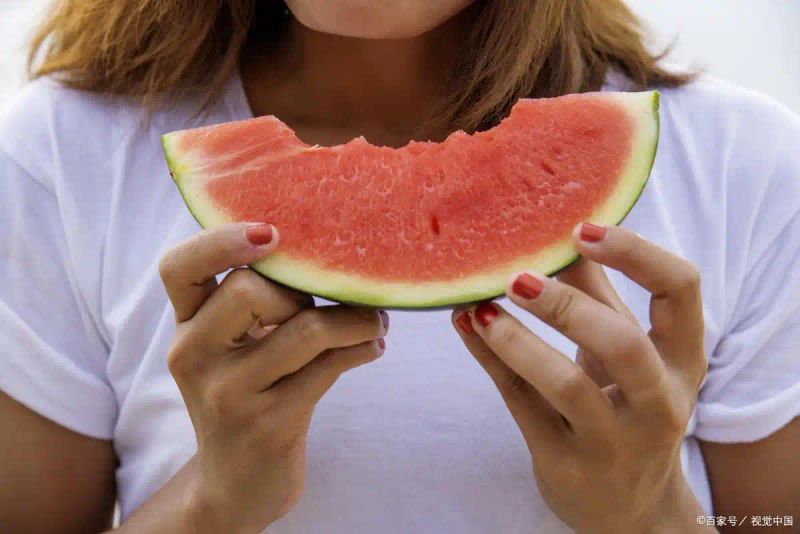
Selection of suitable varieties
Watermelon species are diverse and are classified mainly according to the maturity, size and use of the fruit. The selection of suitable varieties increases the efficiency of cultivation and ensures production and quality。
1. Pre-cooked varieties
It is suitable for early planting and can be harvested in a relatively short time. In general, the time between flowering and maturity is up to 30 days and suitable for spring or early summer and summer。
2. Preserved species
It usually takes 31 to 40 days from flowering to maturity, suitable for summer cultivation, with higher yields and larger fruits。
3. Late ripening
It takes more than 40 days to grow, suitable for autumn cultivation. Because of their longer growth cycles, the fruits are usually larger and taste better。
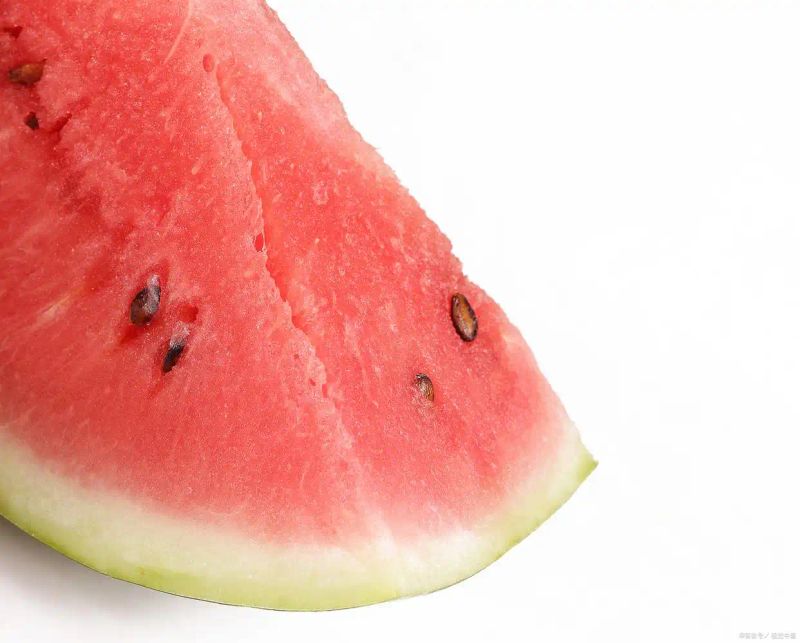
Iii. Feeding and shifting cultivation
There are two methods of breeding watermelon: live broadcasting and planting. Select the appropriate approach depending on the region and climate。
Cultivation
Pre-literate varieties usually use seedling transfer. Selecting fertile and well-drained plots and preparing nursery beds. Seeding can be preceded by seedlings to make the seeds more rapid. Seeds are immersed in warm, wet environments and generally break through after 3-4 days。
2. Plantation
Water melon seedlings are usually planted after 35 to 40 days. The weather is chosen to avoid planting in cold or rainy days. Each cave is planted with a certain distance. After planting, the membrane can be covered, the soil temperature raised and rooting promoted。

Soil management and fertilization
Soil management is important in the growth of watermelons. There is a need to ensure soil laxity and drainage in order to avoid water accumulation affecting root system development。
1. Whole area and fertilization
Before planting, the ground is to be fertilized to the bottom. Each acre can be applied to a 2000-3000 kg of decomposition organic fertilizer, nitrogen and potassium. During fertilization, organic and chemical fertilizers are selected to meet the needs of watermelons at different stages of growth。
2. Fertilizer and water management
During the growth of the watermelon, fattening is carried out according to the demand for the plant. Especially during periods of expansion, the use of potassium fertilizer is increased, promoting the expansion of fruits and the accumulation of sugar. At the same time, rational management of moisture and avoidance of drought or overwetation, particularly during periods of expansion and maturity of fruit, it is essential to maintain a moderate water supply。
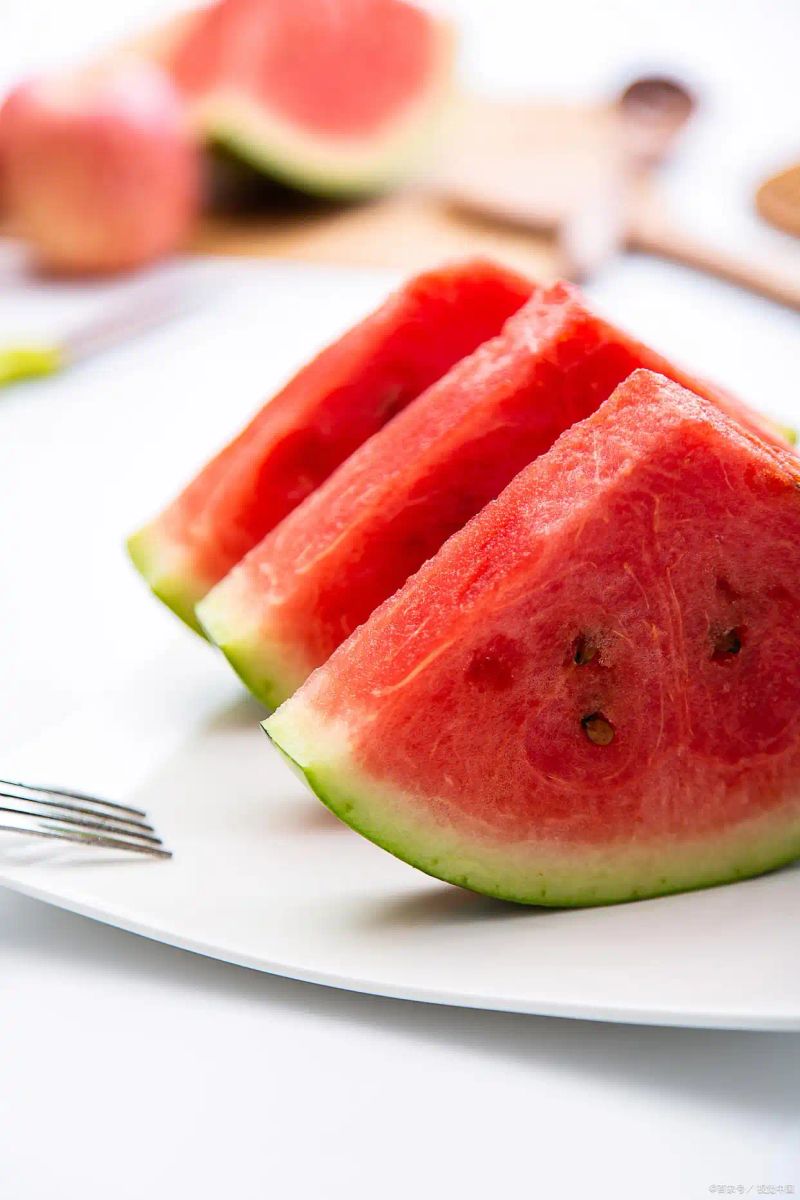
V. Pest management
Watermelons are vulnerable to pests and infestations, such as pollinosis, anthrax and aphids. Strengthening field management, rational rotation and the use of biological pesticides are important measures to combat pests and diseases。
Prevention of pests and diseases
In the early stages of cultivation, appropriate quantities of pesticides can be used to combat them. In particular, the periods of nursery, flower and fruit expansion are periodically checked for infestation。
Rational application
In the growth of watermelons, the use of chemical agents is minimized so as not to affect the quality of the fruit. As far as possible, environmentally friendly and safe biological pesticides and organic fertilizers are selected。
Vi. Harvest and post-management
The maturation and harvesting of watermelons is the most critical step in the planting process. Have the right timing and quality of the watermelon。
1. Signs of maturity
Watermelons mature in several ways:
-the flower is dying: mature watermelon, the curls around the fruit。
-voice recognition: with fingers, ripe watermelon sound thick, premature sound clear。
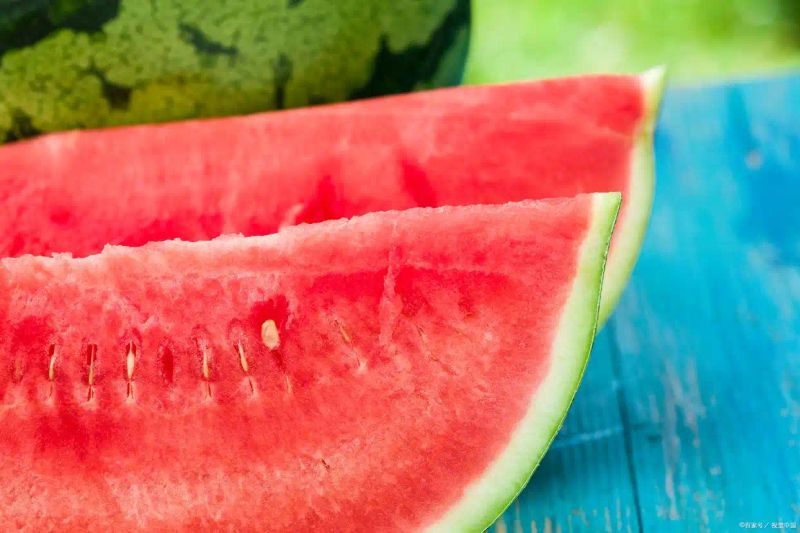
Skin radiant: a ripe watermelon luminous, with clear stripes。
2. Timely harvesting
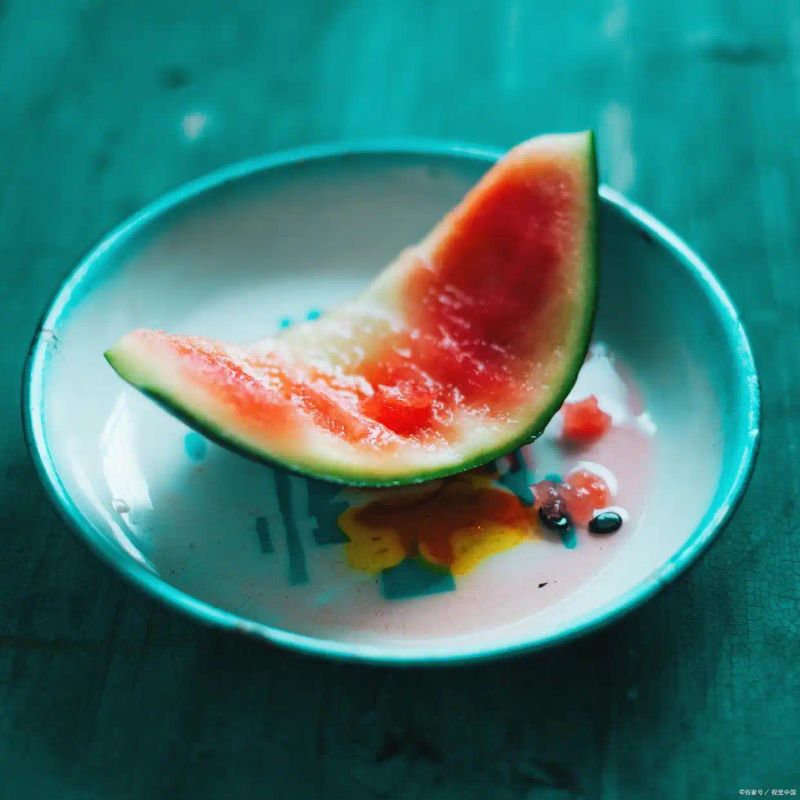
Once the watermelon is almost mature, pick it as soon as possible. Overcooked watermelon sugar is disproportionately distributed, tastes are reduced and quality is affected。
Why don't you say:
1. The selection of suitable varieties is the first step in watermelon cultivation, with different types of watermelon species suitable for different regions。
2. Pay attention to environmental factors such as temperature, light and humidity and rationalize management measures to ensure the optimal state of growth and development of watermelons。
3. Pest and pest control cannot be ignored, choosing suitable pesticides or biological pesticides to protect the healthy growth of watermelons。
Six
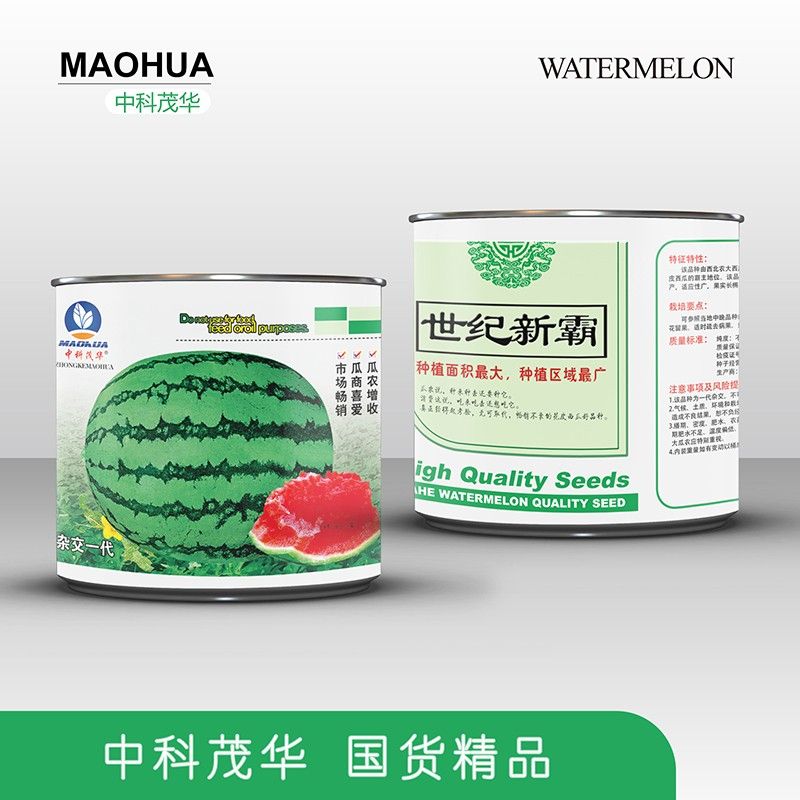
The sino-comohua watermelon seeder, the sino-sino-sino-sino-sino-sino-sino-sino-sino-sino-sino-sino-sino-sino-sino-sino-sino-sino-sino-sino-sino-sino-sino-sino-sino-sino-sinaco
¥80
There's no reason why kyodong's 96% rating should be replaced by the official flag shop
Purchase









