


To be honest, the first picture of this balconian watermel, the first reaction i had to take was to "plant a potty plant, how much good it could be," and it hit me pretty hard in the face。
There have been a lot of mid-aged people growing on the balcony in the past few years, and there have been a lot of scratches of chili tomatoes, but i don't have any watermelons around me, and i don't think it's a piece of work in the ground, and i can't hit eight poles of a square metre floor upstairs。
It's not “can we plant” at all, but “can we have enough light?” the watermelon was previously thought to have been produced from the ground, with the moisture and ventilation of the soil, and with regard to the balconies, the space and light must not be as good. But it makes sense to think about it carefully — the watermelon actually uses long sugar on photosynthesis, and as long as the light is long enough and enough, the soil in the basin is much easier to control fattening and is more accurate than the blind fertilization in the field. So, the balcony became a “controllable laboratory”, which was much less variable than the surface。
I myself have grown on the balcony in the past few years, deeply aware of the phrase “no water without dry soil”。
And it was only when we started growing the vegetables that we were watered and afraid of drought, that the roots of the rotten roots and the yellow leaves of the yellow leaves became clear that many of the green trees died not of thirst, but of drowning。
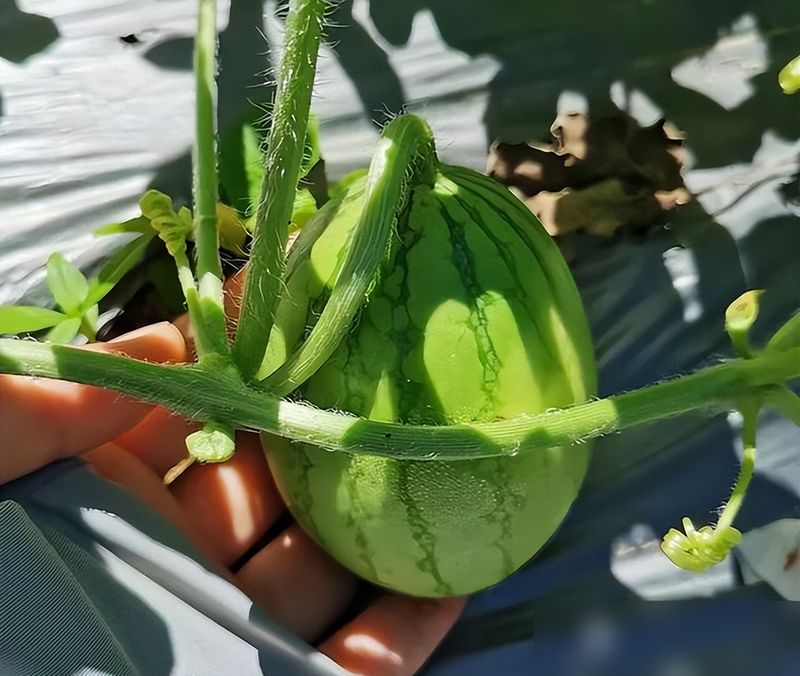
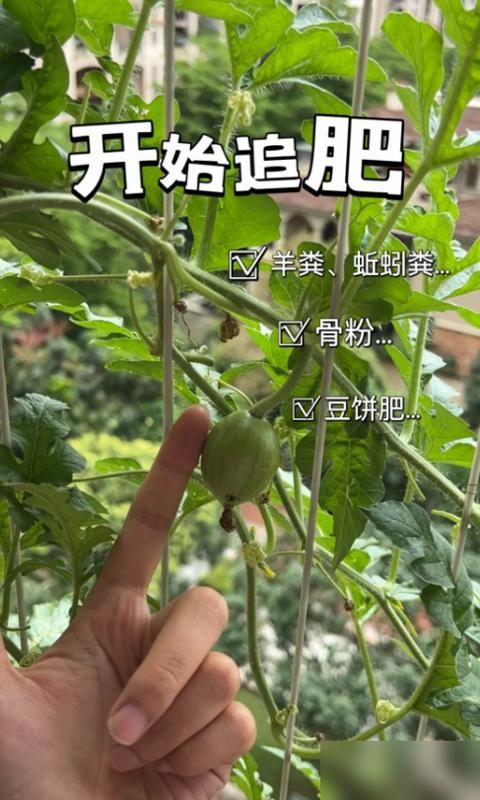
Watermelon is estimated to be more pronounced, and once more water is given at the flowering stage, the whole nutrient goes to the long leaves and the ivy。
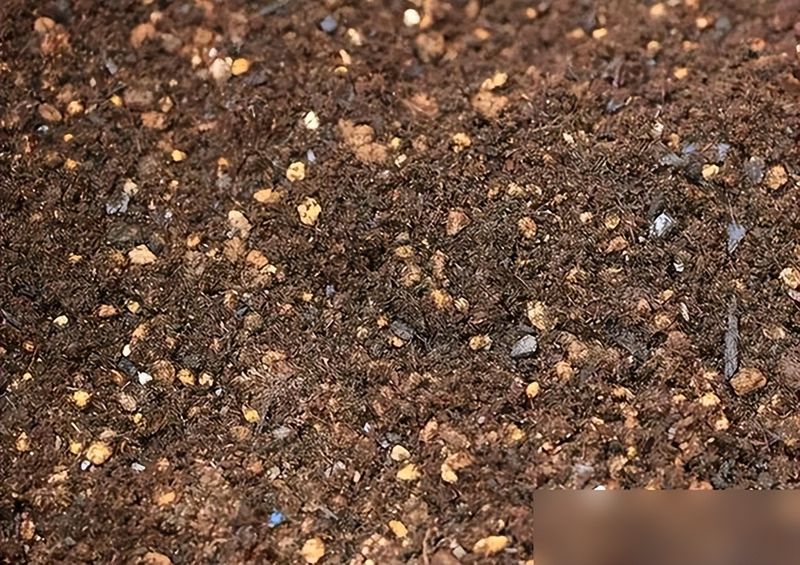
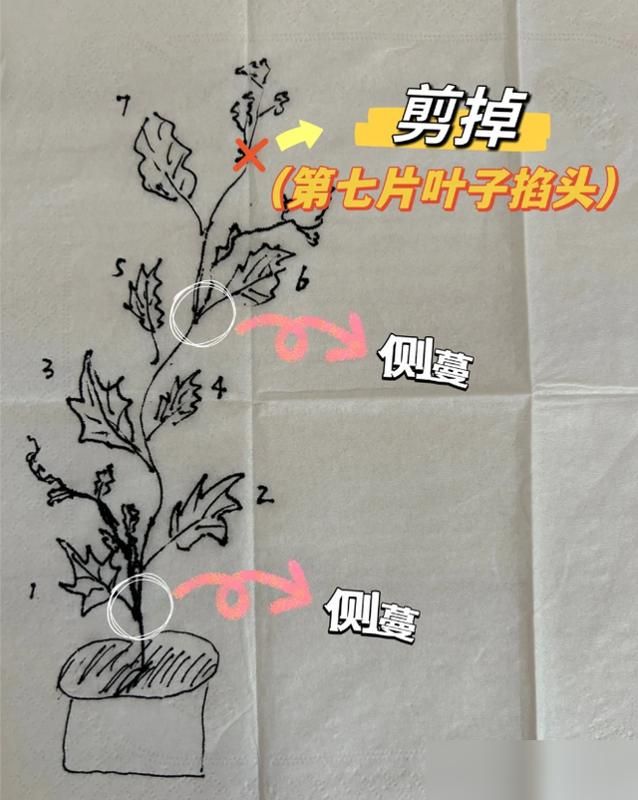
It's an operation to strangulate the outsider, which sounds like a good idea, but it's a "scrambling" to get rid of it。
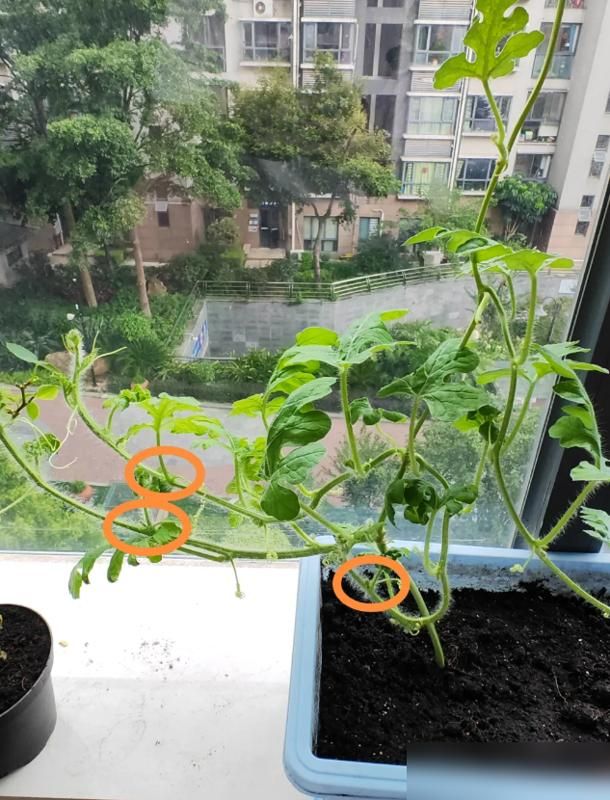
It's the same thing as growing fruit trees to cut branches, raising meat to control the growers, whichever plant it is。
Middle-aged people grow bouquets, not just plants, but their own patience and trade-offs。
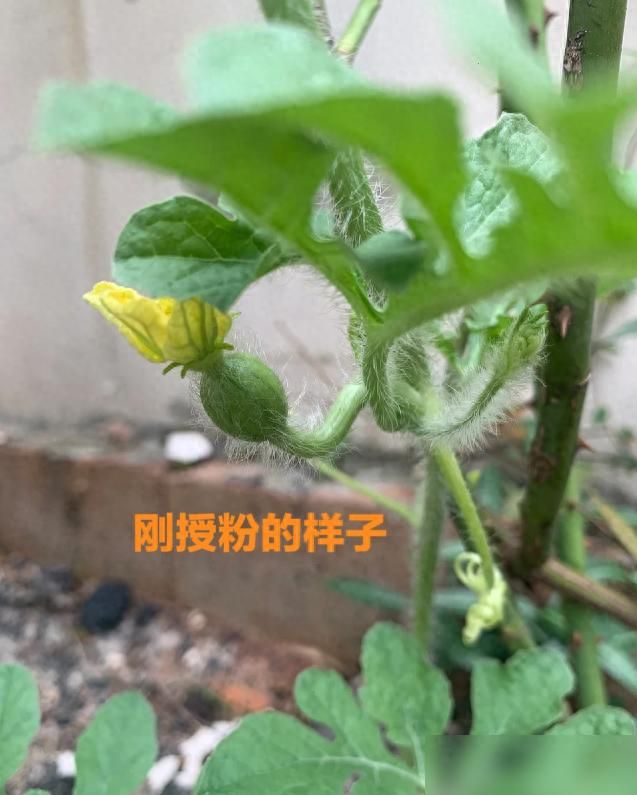
I'm a little skeptical about artificial pollination, the fact that there are fewer insects in the building, the fact that pollination is romantic, the way it works, the way it works, most of them on their own. Flour, the job is so simple, it's enough to keep an eye on the flowers early and dark, it's probably blind if you don't come in one day。
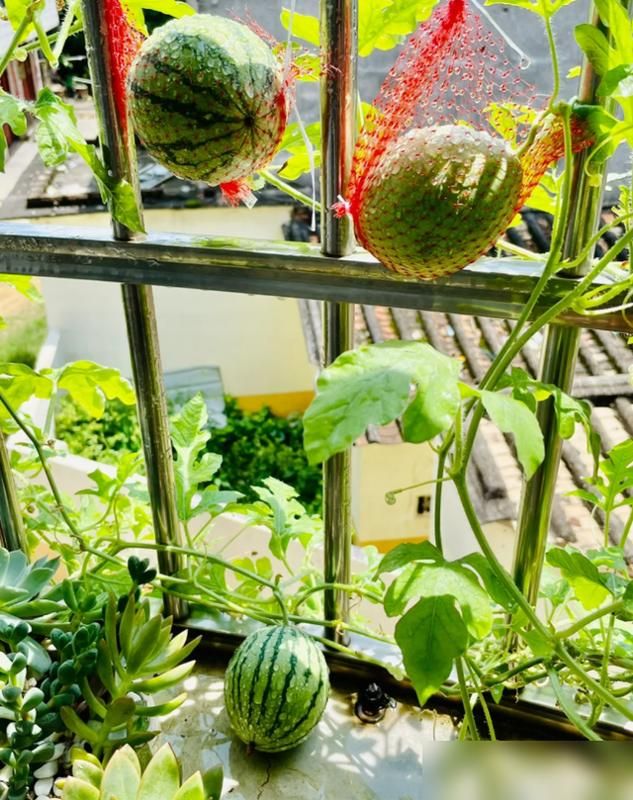
In the end, for six years in a row, there is nothing more than a few watermelons to eat than a sense of expectation that the vines will climb up the balcony every day, and a pedal to the ground。
There's not much left to watch these days。









