


Garlic is one of the major agricultural products in agricultural production and one of the vegetables that we often eat in our lives. In recent years, the country has seen an increase in the area of garlic, especially as the price of garlic has risen sharply this year, and the earnings of garlic growers have been very high in recent years。
As membrane-covered garlic is an effective means of improving the production and quality of garlic, with many farmers responding that membrane-covered cultivation is 20-30 per cent more productive than open-air cultivation, with the direct effect of increasing economic efficiency, this section provides a detailed account of the high-yield cultivation techniques of membrane-covered garlic。
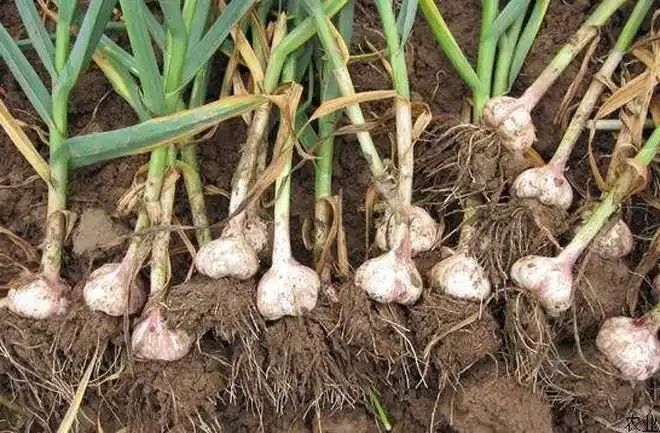
I. Fertility characteristics of garlic
Garlic is a chilly crop with a relatively large range of suitable temperatures, which generally grow well between 5 and 26 below zero。
Garlic consists mainly of stubbles, mantles, blades, garlic, and so on. It has a suitable euphoria temperature of about 20 degrees, a suitable growth temperature of about 15 degrees for leaves, a suitable growth temperature of between 15 and 20 degrees for garlic and garlic, and is wet and dry, so in the process of planting it, care is taken to keep it under control。
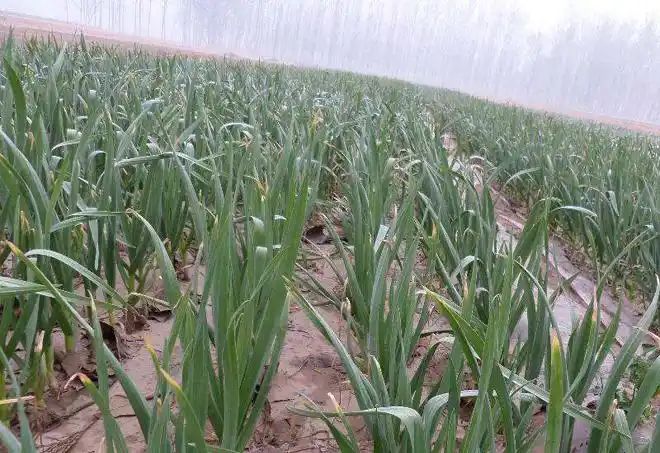
Ii. Selection of varieties
The variety of garlic, if broken down by "colours", consists mainly of two, one of white garlic and one of purple garlic。
Garlic: there's usually a lot of garlic, but there's a lot of small petals, which are better stored for transport。
Violet garlic: generally, there are fewer garlic petals, but the petals are larger and more spicy and more suitable for pickled and raw food。
These two varieties are selected on the basis of a combination of local soil, climate and acquisition conditions。
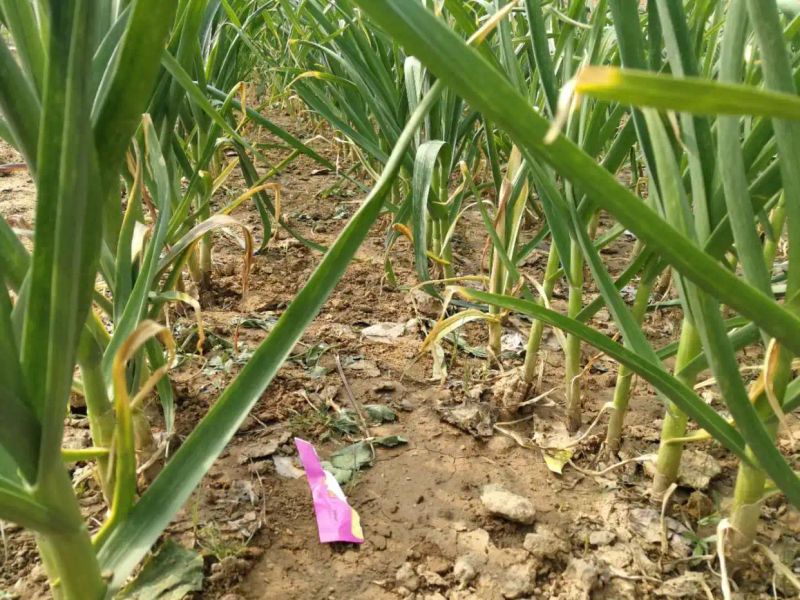
Iii. The whole area
1. The roots of garlic are the stride roots, characterized by small roots and small hairs. Some 85 per cent of the roots of garlic are observed to be spread within 20 cm of the earth layer. As a result, the requirements for the cultivation of garlic are relatively strict and preference is given to more fertile plots, such as high organic content, strong water preservation, better permeability, easy drainage, etc。
2. Garlic is a taboo and preference may be given to sesame, peanuts, etc., which had not grown garlic in the previous year, although garlic is not recommended if it is planted on onions, pickles, etc。
3 because of the relatively long reproductive period of garlic, combined with covering membranes, it is not easy to pursue fattening, the base fertilisation of previous periods is required to be sufficient, and it is recommended that co-fertilizers (or specialized fertilizers) and organic fertilizers be applied together, that decomposed organic fertilizers be used at 1000-1500 kg per acre, that, in the absence of organic fertilizers, the use of compound fertilizers be sufficient and that about 50 kg per acre be applied, and that 10 kg of urea be added if the compound nitrous content is not high, and that farmers be fertilized themselves with 20-30 kg of phosphate plus potassium sulphate with 20-30 kg of urea, depending on their soil。
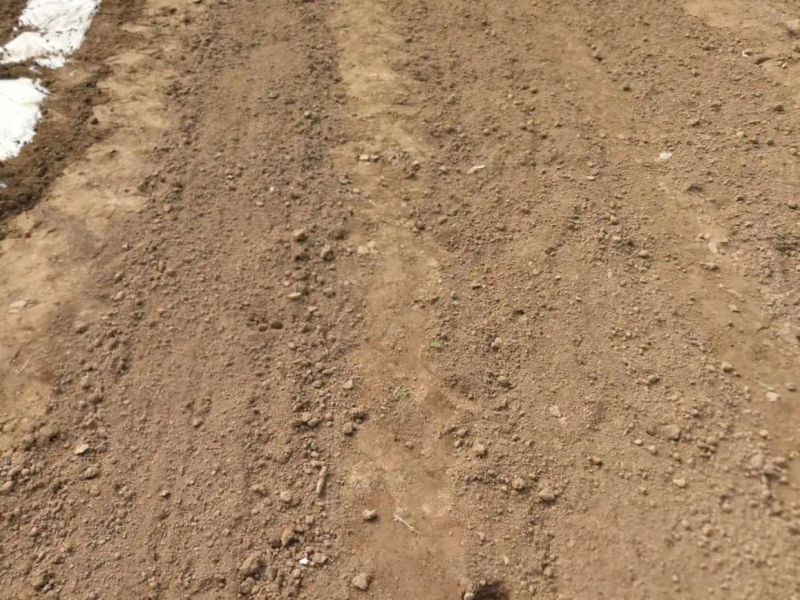
Iv. Garlic treatment
Garlic is selected before seeding, whether by purchase or by seed, and is generally not recommended for seeding in the following five cases。
1. Decreasing garlic
Two, garlic with rotten petals
Three, garlic with a pedal
Four, bend bigger garlic
5 - garlic with pests
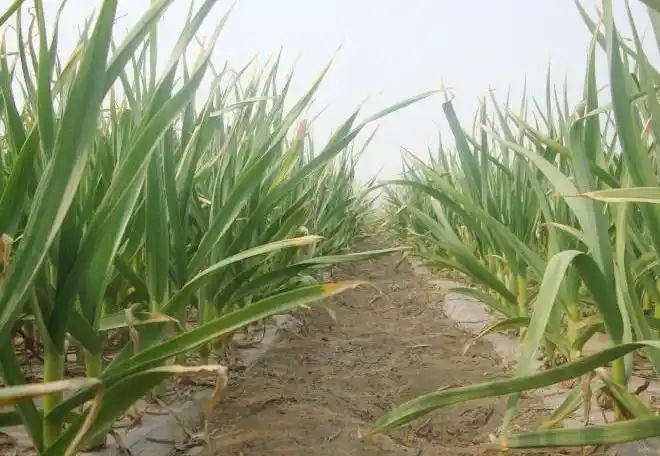
Priority is given to the relatively large range of garlic, which, when selected, is mixed to prevent some of the pests during the reproductive period. The available blending agent is 600 g/l of aphid thorium suspension clothing + 3% of anether acetate suspension clothing, 600 g/l of aphid suspension clothing agent + 25 g/l of acne suspension clothing agent, 600 g/l of acne suspension clothing agent + 400 g/l of rust + 200 g/l of rust + 200 g/l, etc。
V. Sowning
Time of seeding
In general, membrane garlic is grown between mid-september and early october, and there is a strong relationship between local temperatures, which are suitable for the selection of the planting period (the suitable lumber temperature for garlic is 14-20 degrees) depending on local climatic conditions。
2. Sowing density
The sowing density of garlic should not be too dense, depending on the size of the plot and the variety, there will be some variation, and in general, between 30,000 and 35,000 acres, approximately 20 cm, approximately 8 to 10 cm, or 20 to 25 cm and 6 to 8 cm, or about 10,000 acres。
3, sowing depth
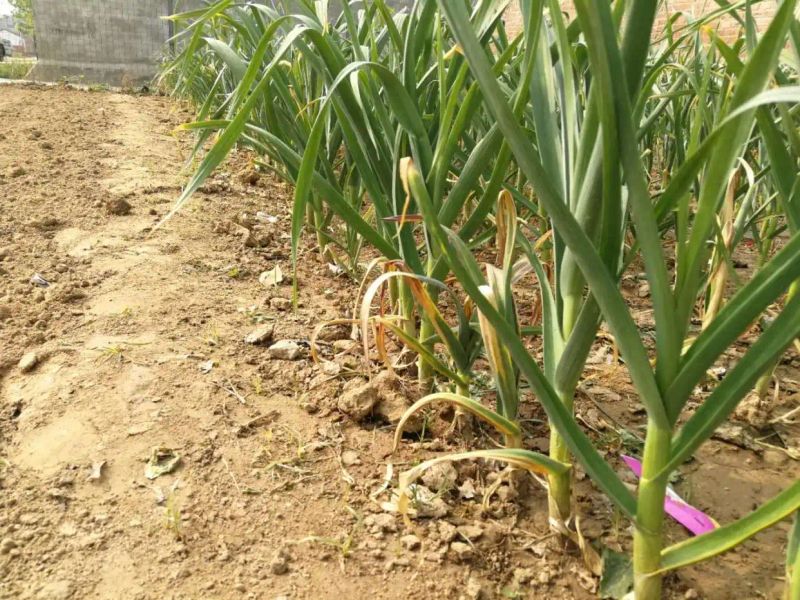
The depth of garlic seeding should not be too deep, especially that of covering the membranes, so that it does not affect the seedlings and can be spread between 2. 5 and 3 cms (also in the range of 5 cm)。
Vi. Duplicate
When the garlic is planted, it has to do the membrane work, but there are two more things to do before the membranes, one of which is watering and the other is spraying closed herbicides。
After the garlic is planted, the acetate is slowly flatted until the temperature is reduced to about 17-20 degrees to water, and if the local temperature is higher after sowing, it can wait for a few days, and it is recommended that a closed herbicide be struck, with the available herbs of 960 g/l of refined acetalachlor emulsifiable concentrates of 55-65 ml/cmc, 33 per cent of diacetal emulsifiable cream of 140-180 ml/cmc, 40 per cent of acetamine (20 per cent + 20 per cent ethylachlor), 55 per cent of ethylacetoxyi-leacetamine (15 per cent + 5 per cent + ethylacetylacide + 35 per cent) 110-130 mcm/cm, etc。
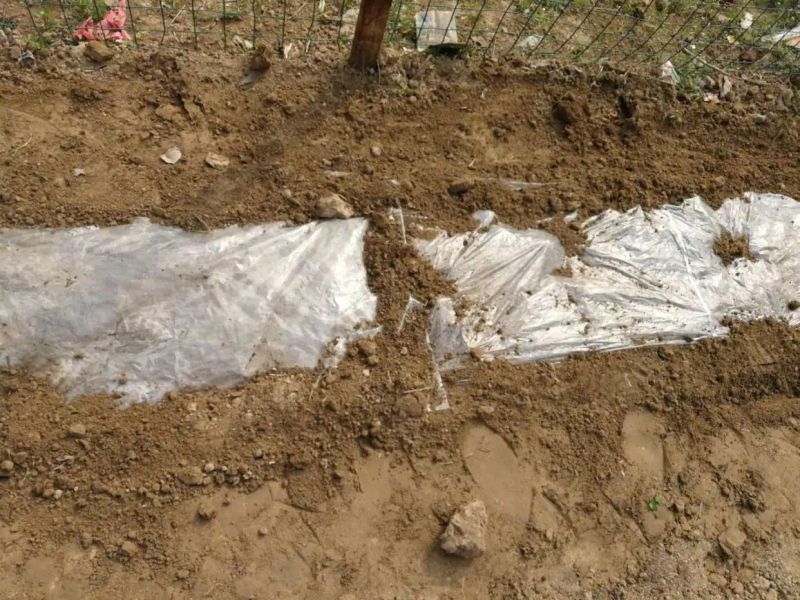
When a closed herbicide is sprayed, the membrane specification is selected according to the length of the planting line, with tens of centimetres to a few metres of width. When covering the membrane, the membrane is to be leveled straight to the ground, the membrane is to be compacted with soil on both sides of the membrane, and if there is a leak in the membrane, the man or machine is to be selected for the membrane。
Vii. Field management
One, hole
As a general rule, after seedlings, most of the garlic tends to break their own membranes without having to break artificial holes, but a small fraction of it needs manual assistance, with tools to draw small holes on the membranes in the early morning, and pulls garlic seedlings out of the membranes for the purpose of sapling。
2. Fat water supplement
During the whole reproductive period of garlic, there were three main watering periods, one at the end of november, one at the end of the winter; the second at the end of march of the following year, one at the end of the year; and the third at the end of the year, one at the end of the year, and, of course, one at the end of the day, depending on how the garlic grew。
Fertilizer supplementation, usually carried out on return to youth, can be followed by urea 15-20kg per acre, followed by the spraying of potassium dihydrophosphate supplementation (or full-nutriently replenished folate) during subsequent fertility periods, which can be repeated depending on the growth of garlic。
3. Pest management
The main pests of garlic are garlic mackerel, mackerel, leaf flies and other underground pests, which are pre-planted before seeding, and 20 per cent of the amphibian octophos cream (19 per cent + 1 per cent thorium) may be used for rooting in the absence of seeding, and 25 per cent of the poison oxin cream (20 per cent + 5 per cent thorium)。
For sarcophagus, 5 per cent of the herbicides are amphibian emulsions, 25 per cent amphibian dispersants, 25 g/l polycinol suspensions, 600 g/l amphibian suspensions, etc。
For pheasant flies, 80% of the optional agents are mirex water dispersible granules, 31% avi mir flyamine suspensions, 3% avi high chlorine (high-efficiency cypermethrin + avemexin) cream, etc。
The main diseases of garlic are rusty, leaf dead, assemblage, etc., with the following options: 25% triazone wwish powder, 10% ether acetate dispersed particles, 50% ester, 430 g/litre thallol suspension, 25% fluoride cycloplytic suspension, 50% hexasil filamentable powder, etc。
Viii. Access
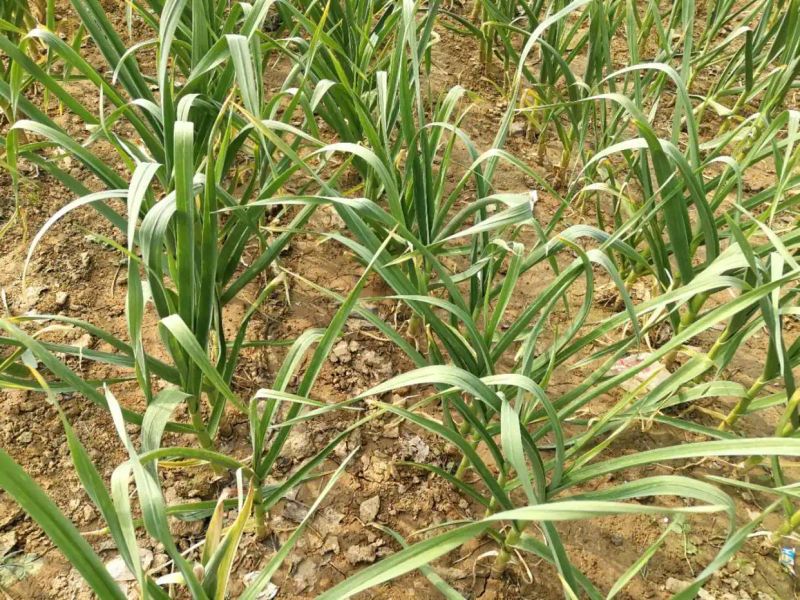
The harvest consists of two main periods, the first of which is garlic, the second of which is garlic, which is generally available around mid-may, and, by observation, when the garlic on the garlic leaves 7 to 10 cm, when the garlic is harvested, the timely harvesting of garlic is beneficial to the quality of the garlic, on the one hand, and, on the other hand, it does not rob the water and nutrition with the garlic, and on the other hand, the growth of garlic。
Garlic can be harvested in about 20 days after the harvest. Through observation, garlic leaves and leaves are turned green to yellow, slowly drying up, and membrane garlic is matured earlier than the garlic planted in the open, usually for 8 to 10 days, so farmers should be careful to harvest in time to avoid affecting quality and productivity。
These are the techniques of membrane-covered garlic production, which are relatively long and detailed, and which, it is hoped, will bring some help to the growers and a good harvest。









