


The adaptation of the cinnamon flowers is more extensive, and the cultivation of the cinnamon flowers in the north and south does require consideration of factors such as the cold tolerance of the varieties. The following are some of the species suitable for family farming:
Cinnamon species suitable for family farming in the north
Ck: ck: ck is adaptable and cold-resistant, and most ck species can grow healthy at about 10 degrees below zero, such as the henan's august ck variety, which is suitable for the northern yard or for the balcony plant。
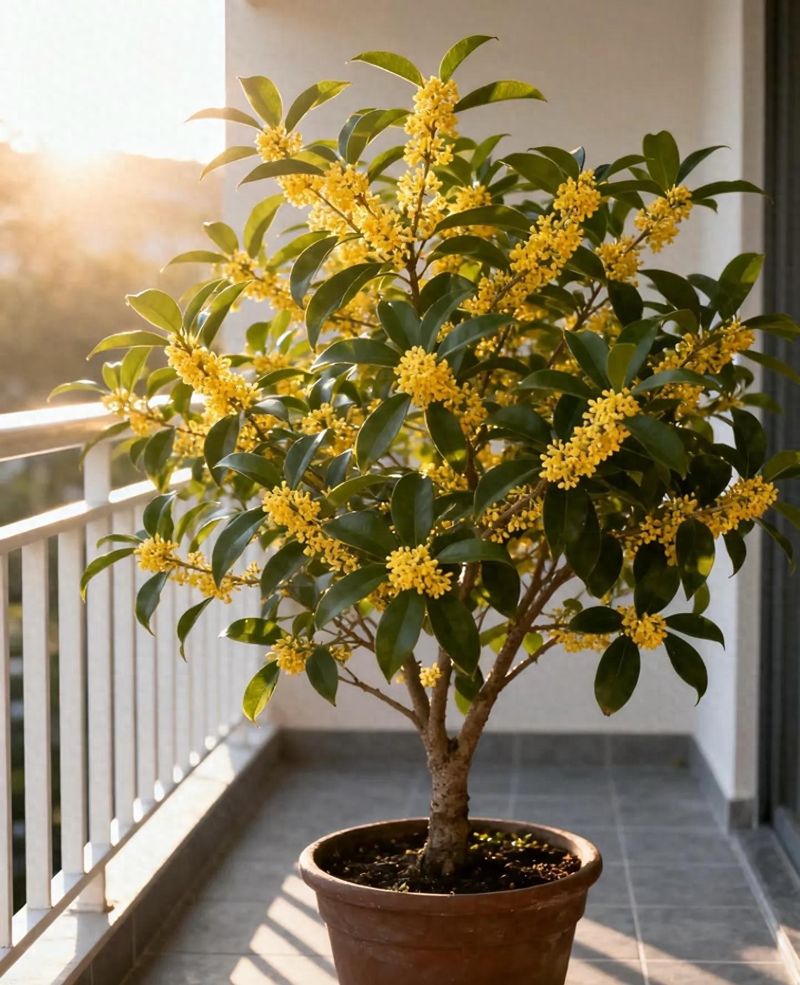
2. Ilyang cui: il xian cui is highly adaptable and resistant to both cold and high temperatures, and has tree crowns that are round and elliptical in shape, with branches tight and suitable for pelvis。
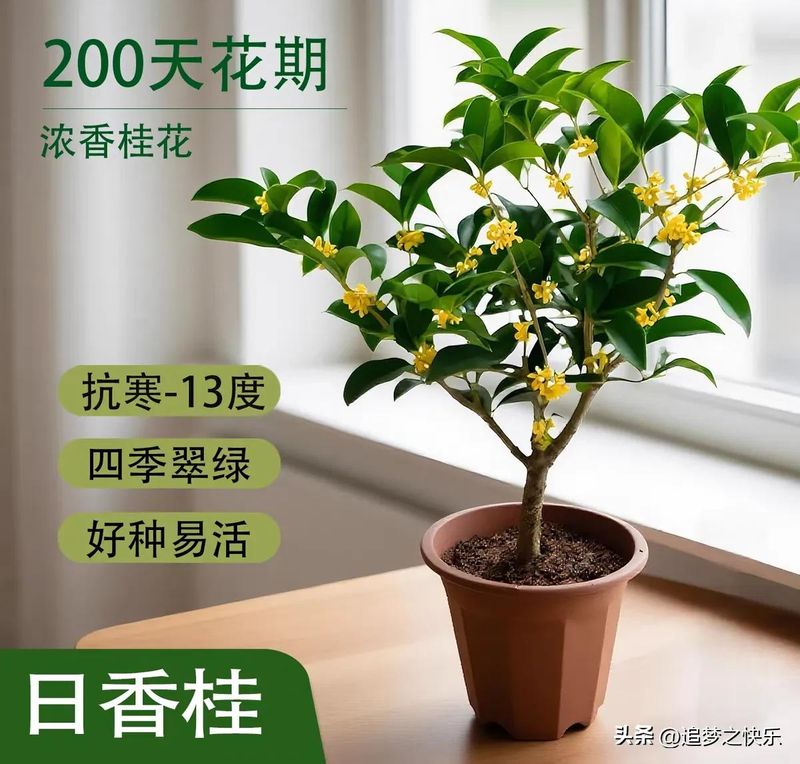
3. The beads: they can be cycling for more than 250 days in a year, fragrances, potted or planted, suitable for garden, balcony, window and living room farming, and can grow better in the north。
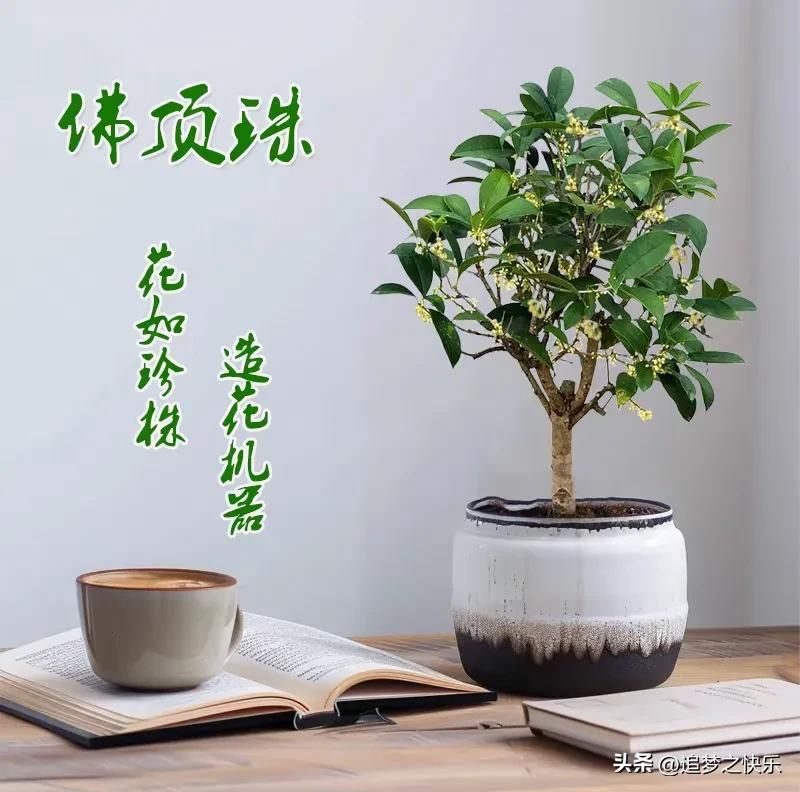
4. The tsien-taek: the tsien-taek is one of the longest flowering species, growing from september to may of the following year, and the colour changes with temperature, and can bloom normally in both the south and the north。
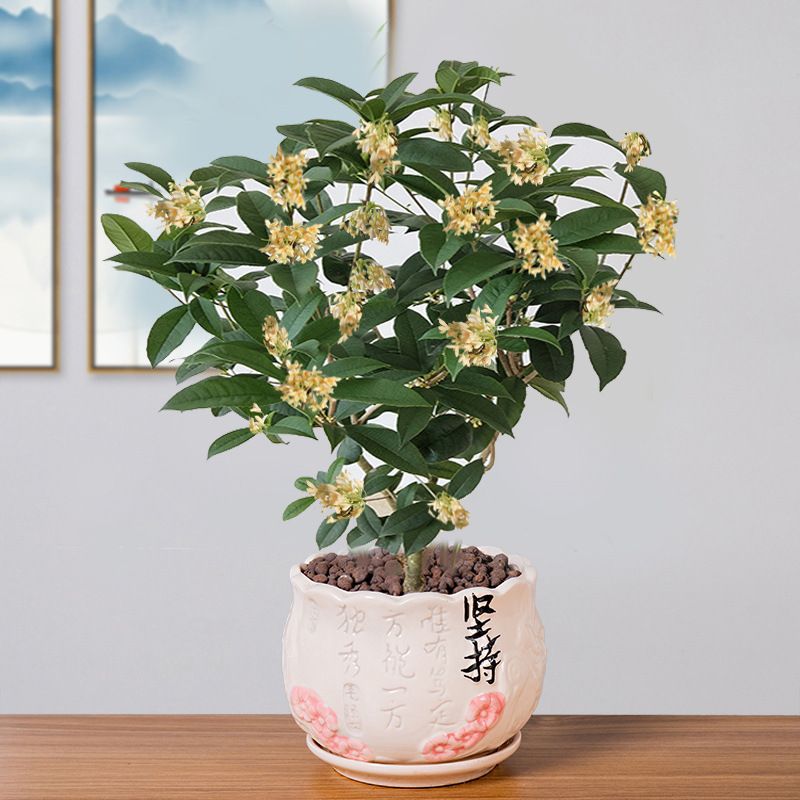
Cinnamon species suitable for family farming in the south
1. Cinnamon ju: cinnamon, which belongs to the tan cinnamon system, is colored orange red, strong and solid, is well adapted to the climate in the south and suitable for planting in the yard or as a pottery。
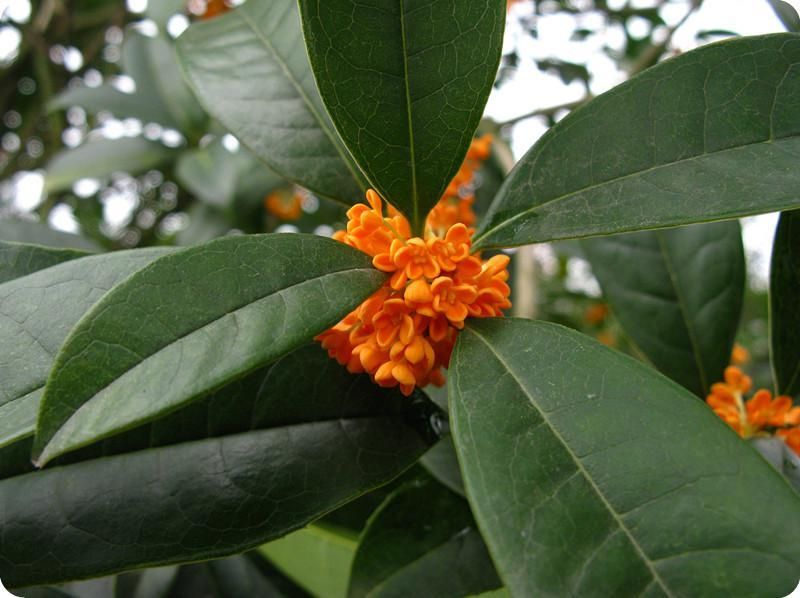
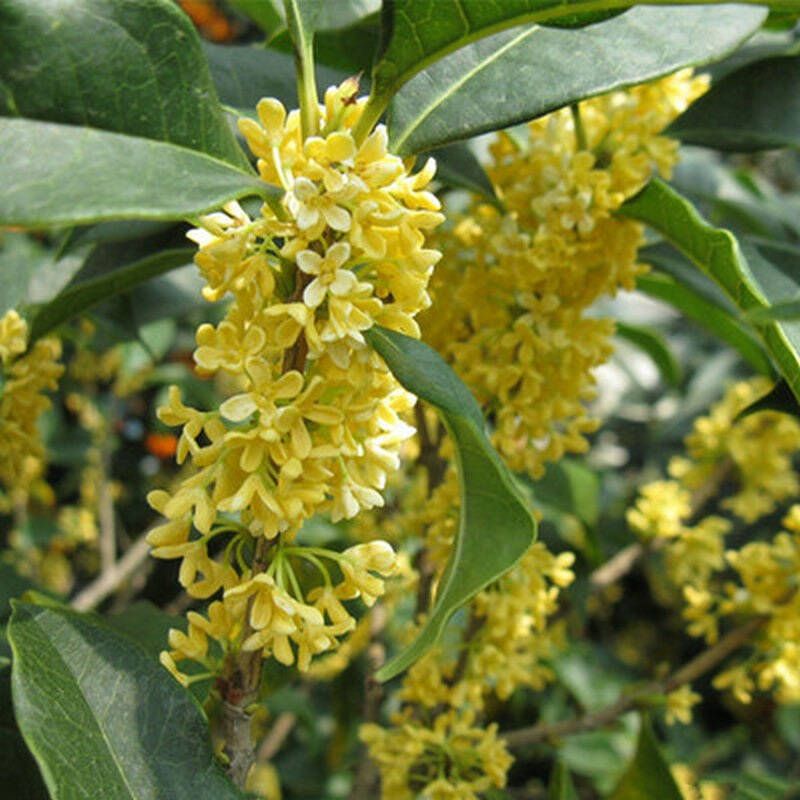
2. Willow silver cinnamon: the silver cinnamon in the silver cinnamon, which is yellow with rice, has a large amount of flowers, is fresh and has a long fragrance and is suitable for planting in the corner of the courtyard or as a pelvis。
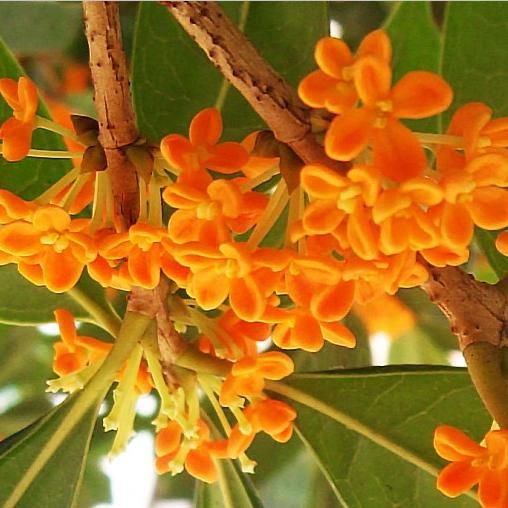
3. Verbal red: the red is the most colourful of all cinnamon flowers, and orange red flowers are large and dense, and have a high value, which, despite slow growth and high prices, can grow well in the southern climate。
The key to cinnamon farming lies in the suitability of soil and water, the control of light temperature, precision of water fattening, and the need to tailor the details of conservation in the north and the south in order to keep the plants thick and rich。
Soil selection: microacid estration is key
Caucasian spicy acidity (ph 5. 5-6. 5), perfluent, well drained soil, resistant to viscosity or alkaline soil。
Southern households: the soil acidity can be sustained by rain-fed soil, which can be made directly from foliage + garden + river sand (4:3:3)。
Northern households: salinization of soil requires the incorporation of sulfur powder or pine needles into the matrix; water can occasionally be watered with a small amount of iron sulphate to avoid foliage。
2. Photo-control: glamour
Cinnamon is a long-day radiant plant that requires six to eight hours of direct light per day, and a lack of light can lead to small flowers and less fragrance。
Summer in the south: strong light-burned leaves at noon need proper shades (e. G. Sunnets) and adequate light for the rest of the time。
The northern autumn and winter: the pellets are moved indoors to the sun, while the ground plant needs to select the backwind to the sun to avoid the cold blowing。
3. Fertilizer management: dry and wet, thin and hard
Watering: the principles of dampness, dryness and watering are followed, and water is accumulated in the basin. The rainy season in the south drains in a timely manner to prevent decaying roots; the northern winter plant is dormant, reducing the frequency of water irrigation and keeping the soil dry。
Fertilizers: long-lived (spring and summer) use of nitrogen-based fertilizers to promote the growth of branches; pre-flower (august-september) increase in the application of potassium phosphorus fertilizers (e. G., potion of potassium phosphate or spraying of leaf), which can significantly increase the amount of flowers and the concentration of the aroma; a post-flower application of decomposed organic fertilizers to supplement nutrients; and the cessation of fertilization in winter。
4. Decoration: post-flower cutting and new hair
The best time to trim them is before the dawn of the spring, cutting off the flowers, the long branches, the weak branches, the thick branches, and keeping the strong branches and the side branches, both to preserve the beauty of the tree and to reduce nutrient consumption, and to encourage more flowering in the coming year. The family pelvis can be trimmed into spherical or condensed shapes that can be placed indoors。
5. Winter protection: a focus for north-south disparities catch
Southern region: high winter temperatures do not require special protection to plant cinnamon flowers; pellets can be placed in an outdoor backwind to avoid freezing。
Northern area: cinnamon-planting requires 30 centimetres of soil thick in the root, with dry-packed grasslines or warm cotton; pellets of cinnamon are moved to the interior before the fall of the frost and room temperature is maintained at 5-10°c to avoid high temperatures leading to early buds that affect the flowering of the coming year。
6. Insect and pest control: prevention is the main focus, timely interventions
The common diseases of cinnamon are folicosis, anthrax, and the pests are red spiders and aphids. Day-to-day maintenance requires the maintenance of ventilation and the reduction of bacterial growth; in the early stages of the disease, the disease can be sprayed with polybacterial solutions, and the pests can be treated with amphibian or avil spray, following the principle of “a small number of times” to avoid the effects。









