


Dan cui-cui-cui-cai-cai-cai-cai-cai-cai-cai-cai-cai-cai-cai-cai-cai-cai-cai-cai-cai-cai-cai
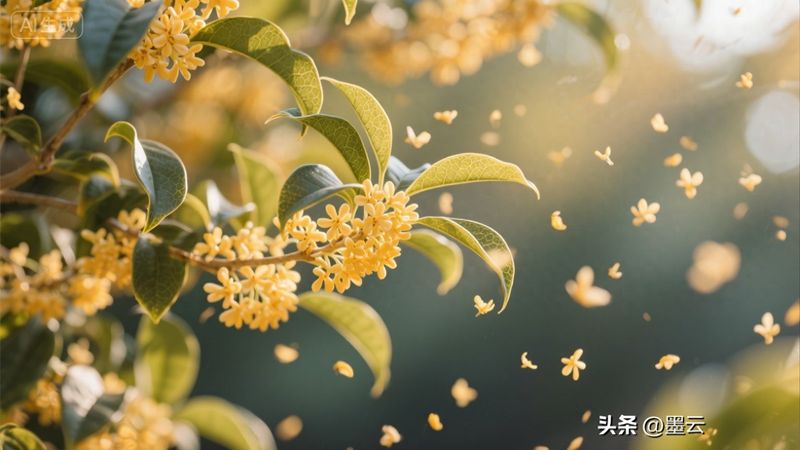
Dan gui, the elves of the autumn, who gather the spirit of the heavens and the earth, and come to mankind from myths and moons, in the colours of the sun and the sweetness of the sweetness of the sweetness of the sun, and become the ancient flower of the culture of the wakasa, who symbolized the rich, the blessed and the noble。
General
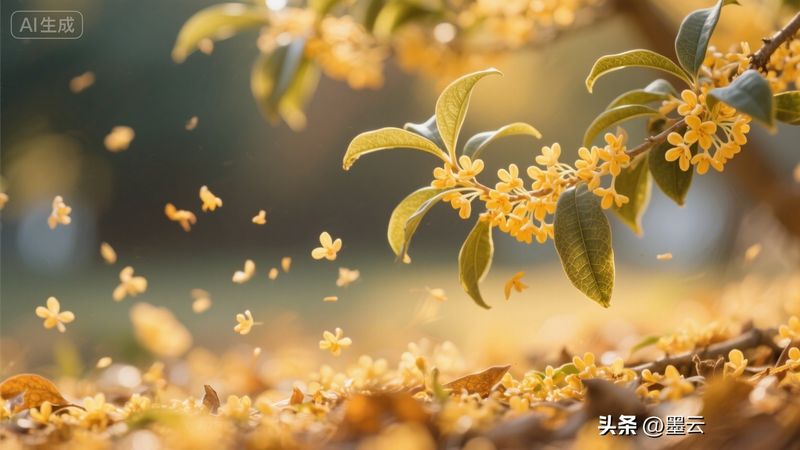
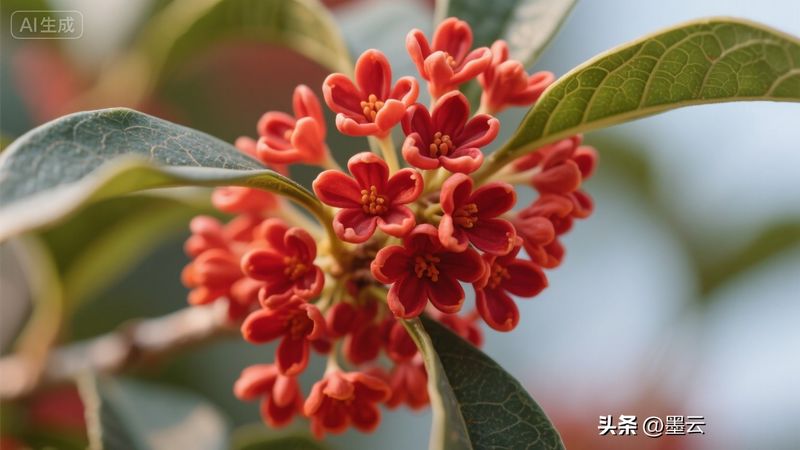
Osmanthus fragrans var. Aurantiacus, a common green shrub or a little wood. It is one of the most colorful groups in the four main groups of cinnamon (gin cui, gin cui, tang cui, quail cui). Its name "dan" refers to its colored orange red to the red, while the term "guilty" is named because its leaf pulsations are like "gwe". It is not only a fairy tale of the fall of the moon of cinnamon, but also a symbol of the glory of the cinnamon palace of cinnamon, with an extremely deep cultural connotation。
Ii. Place of origin and habits: autumn fragrances of warmer to sun
• origin: the south-west of china, including yunnan, guizhou and sichuan, is the fragrance of the land of huaxia. The yangtze river basin and the south are widely cultivated。
• core practice:
• climate: the north needs to protect the winters from warm, warm and wet, and warm rather than cold (as compared to cinnamon and cinnamon). There is plenty of sunshine, a little tolerance, and there are few flowers without light。
• soils: rich and rich, well-drained, micro-acid sandy border soil, anti-alkali soil, clay and water accumulation。
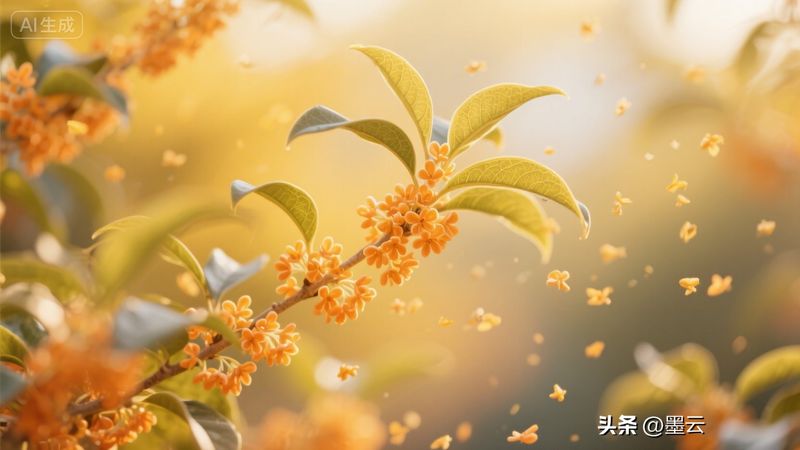
• period: flowering in the fall (late september to early october), with a large amount of flowers and sweet and taneous, but not as strong as silver, gold and cuisine。
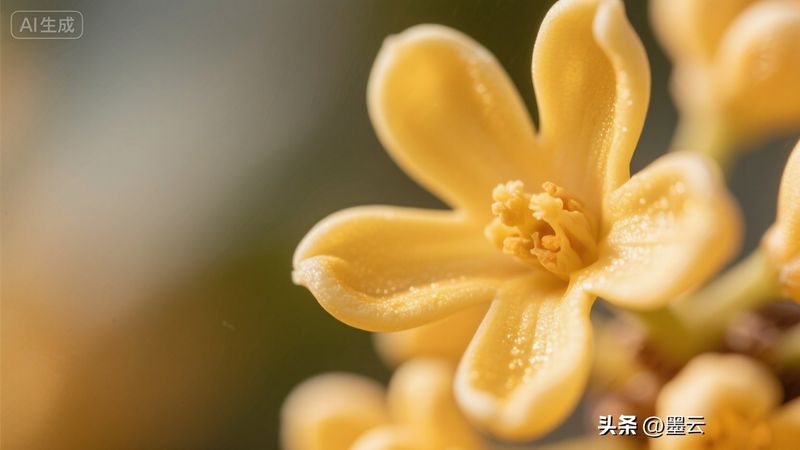
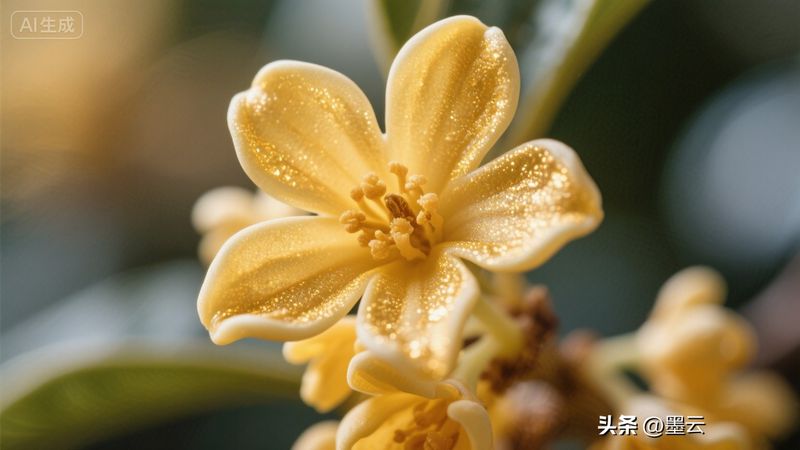
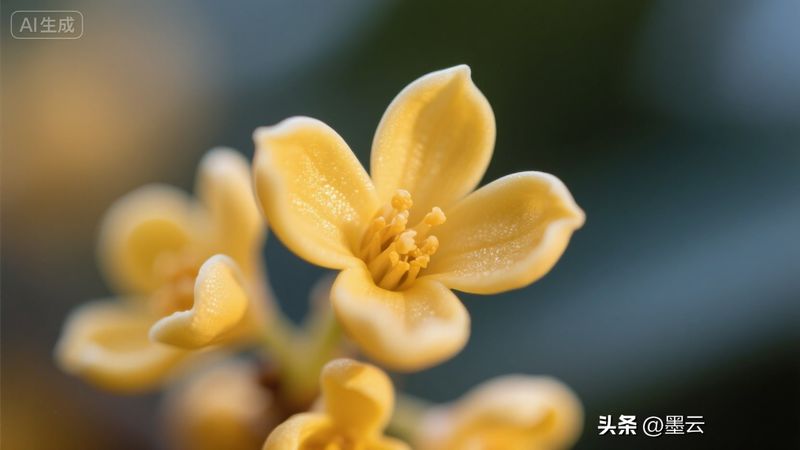
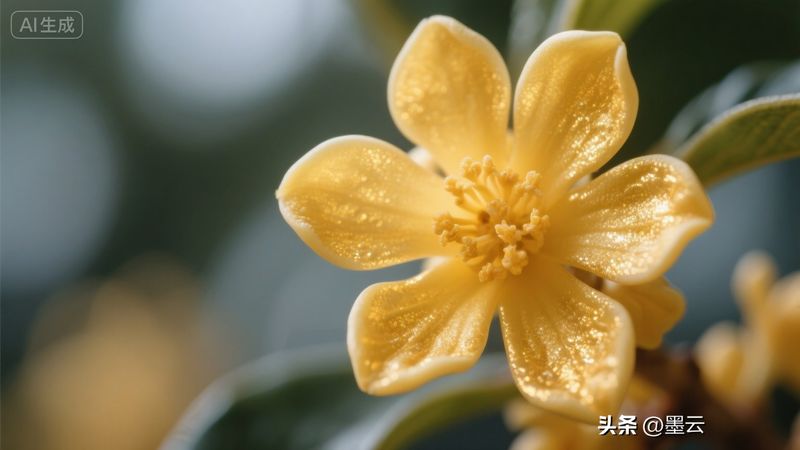
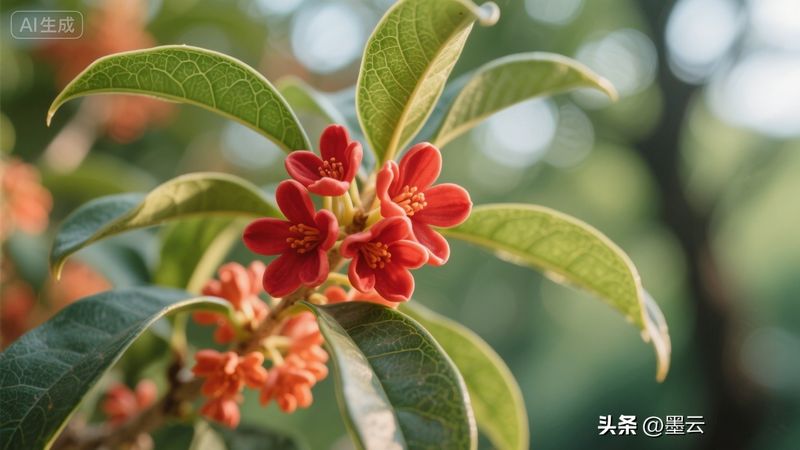
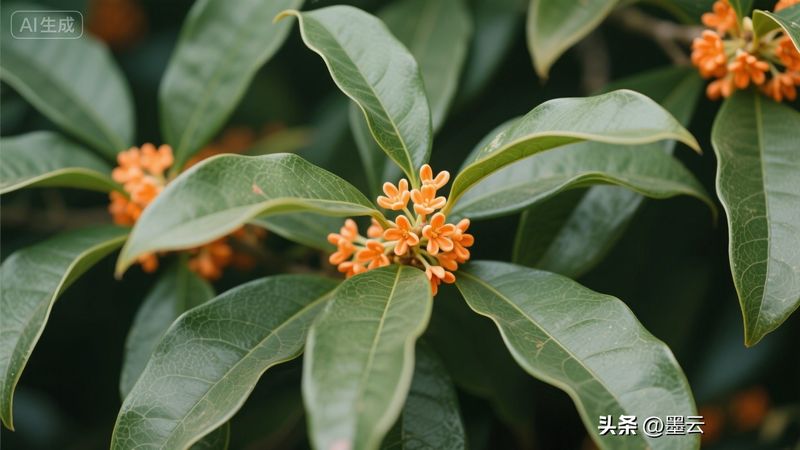
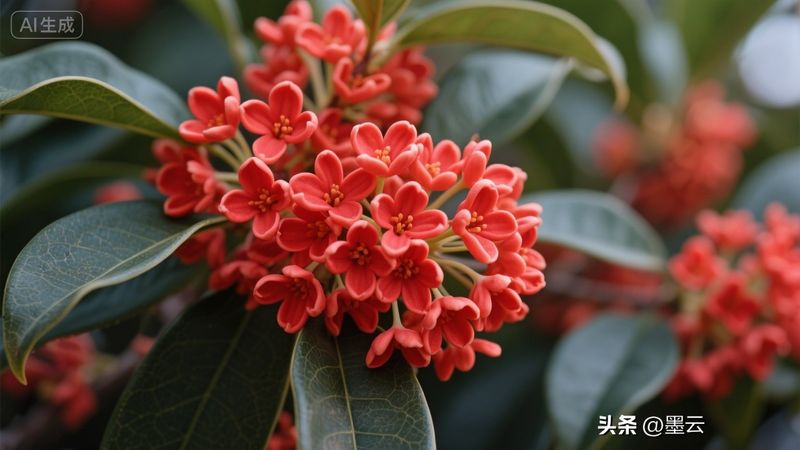
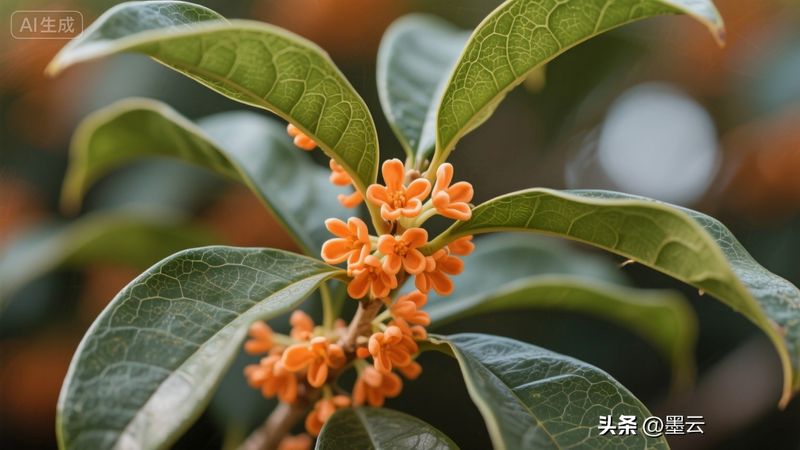
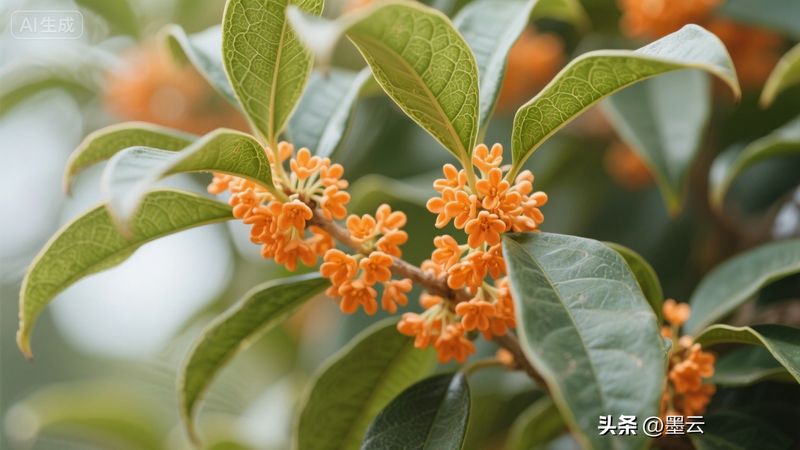
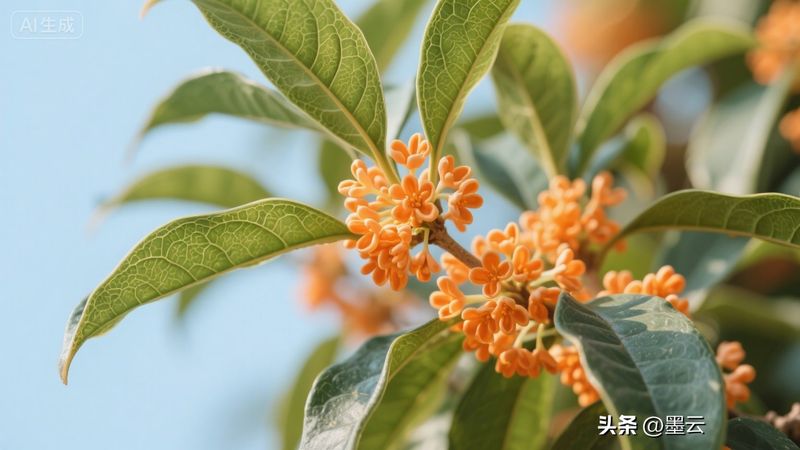
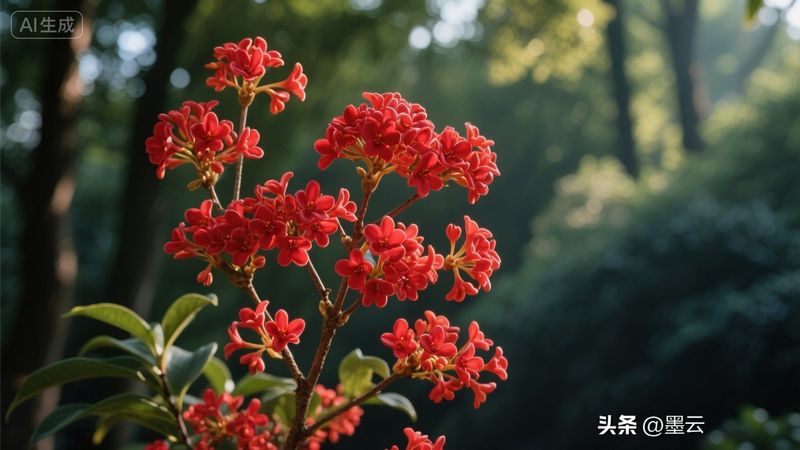
• form: thicker leaves, tans, visible sawn teeth. The colours are orange yellow and orange red to dark red, the deepest colours in the four main systems and the most rewarding。
Iii. Practical values: the eastern fragrance of treasures
:: value appreciation (core values)
• autumn focus: its strong orange red colour is so visible in the autumn garden that it is an excellent tree of the “autumn” that can be planted alone, paired or bushed。
• the fragrance of “colour” and “fragrance”, which both satisfy the enjoyment of vision and smell and create a rich eastern courtyard。
:: food value (core extended value)
• top-level cinnamon: tangian is the preferred ingredient for the production of high-end cinnamon flowers. Because they are rich, colorful and sweet, they produce:
• cinnamon/sugar: colored gold is red and spicy。
• cinnamon cakes, cinnamon wines, cinnamon teas: to give food an elegant colour, scent and taste。
• decorations: a pen for dessert and soup。
• note that adequate cleaning and processing (e. G., sugar stains) is required prior to consumption and ensure that the planting process is free of pesticide contamination。
• the value of medicines
• flowers: sexual temperature, taste. There's cold breakage, coughing, stinging. For coughing, toothache, breath。
• roots, fruit: roots can be wet and cold; fruit (cinnamon) can warm the stomach, flat liver and cold。
• use note: please use under the guidance of a physician。
• sphinx and economic values:
• natural spices: cinnamon-impregnated, oil-purified, precious natural spices for the advanced perfume, cosmetics and food industry。
• timber: gelatinic art, which is a good material for making furniture and carving。
Iv. Main varieties
There are also a number of good varieties in the dan cinnamon system, with slight differences in color and shape:
• `charlie dancai': the deepest color, near red, early flower, strong scent。
• `screasing leaves': foliages, orange red。
• `red in form': modern breeds, colored reds and large flowers, are among the best in tanguin。
V. Cultural connotations: from the moon palace to the earth
• high honour: the term “claude of the palace” refers to the name of the no. 1 and the golden list, which is the highest ideal of life for an ancient reader。
• fulfilled by the hymns of “gin” and “gin” — the red of dan gui is more festive and symbolizes wealth, blessings and prosperity。
• psychics and elegance: from the myths of wu kong dynasty and the quincy moon, which give them a superb, elegance and elegance。
• autumn & homelessness: its flowering and fragrances often lead to memories of reunification and home。
The words of ancient poetry
As a cultural symbol, dan gui often appears in poetry as “kin gui” and “tan gui” and lamentably。
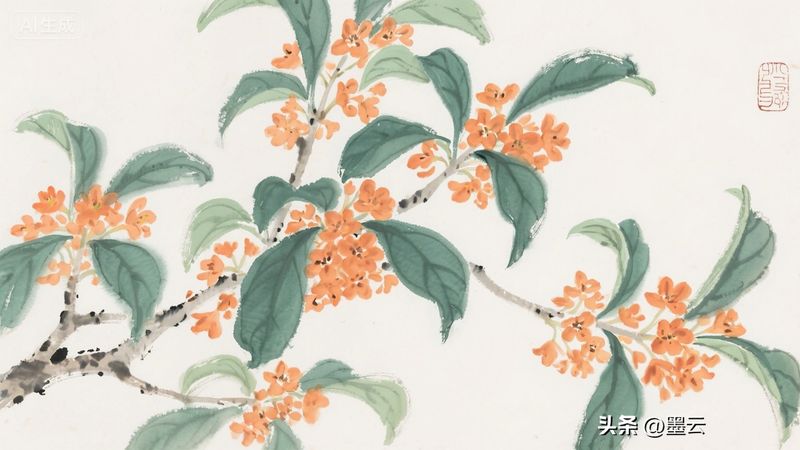
• song li qinghong-hyang, "onceon guihua"
• psalms: “dark, light yellow, soft, and distant. Why do you have to be so dark and red, the first in the flower."
• interpretation: although the term refers to the "black yellow" of the cinnamon flower (like the "gin quei" ), the phrase “why is the light dark red ?” is precisely the one that, from the opposite side, pinnacles the thick color of the cinnamon flower, which is not the criterion for judging by its height, whereas the “first in its own flower” is the highest eulogy of the fragrance (fragrance) common to all cinnamon flowers。
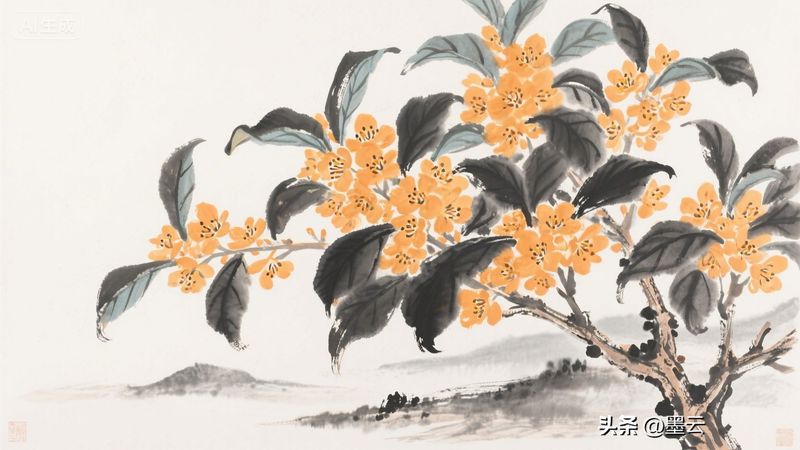
• don paiklui, cui san
• psalms: “the moon is mid-lunar, rooting in the sky. From the beginning of the day, the wind blows the earth."
• interpretation: in the poem, “cinnamon of the moon” is the mythical image of dan gui. The term “blowing the earth” is a romantic explanation of the origins of dan gui in the human world, which combines his extraordinary origins perfectly with human reproduction。
Vii. Contributions
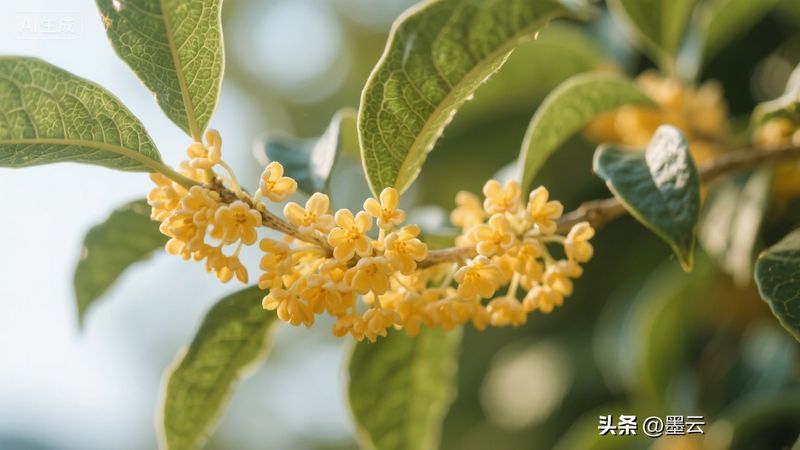
• may your life be like dan gui, not only in the spring, but also in the early autumn, when it belongs to you, a unique colour and scent。
• the true “cinnamon” is not the highest, but the most abundant tree on its roots。
• there is no need to envious the flower of the day, the annual festivities, to build 300 days of air and to make this season a fragrance。
Viii. Cold knowledge
Not the most fragrance: of the four main strains, the fragrance of dan gui is generally considered to be sweet but not as high as that of gold cinnamon and silver cinnamon, which wins with “colour”。
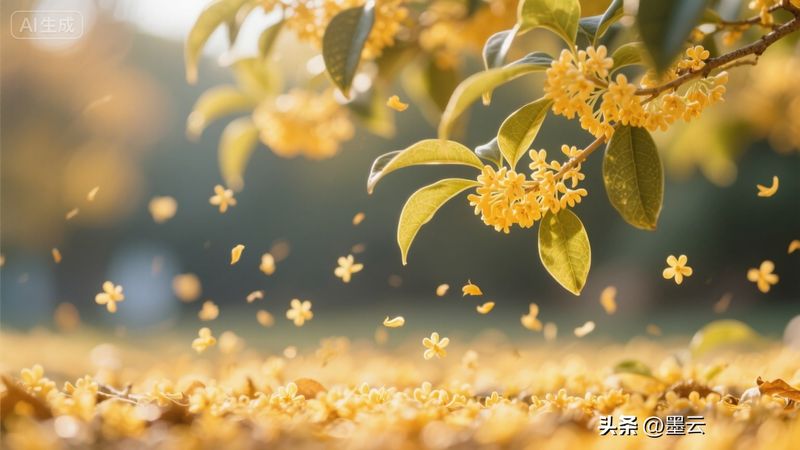
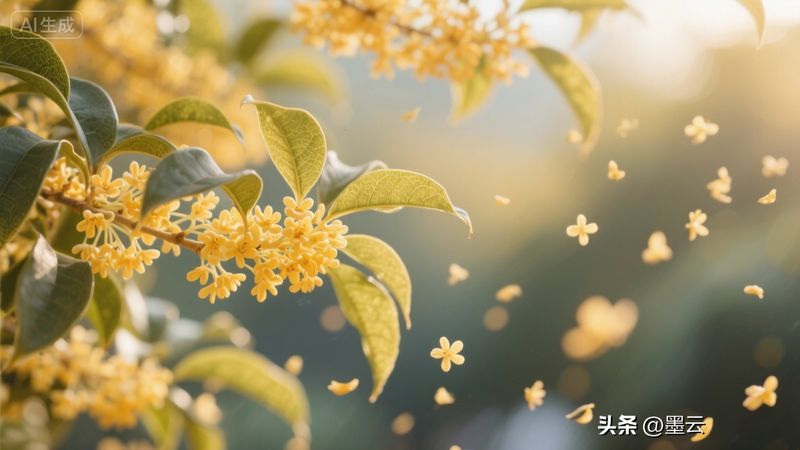
The mystery of the guacamole: its thin bouquets, when they bloom, and when the wind blows, they create a romantic guacamole, which is in fact an adaptive feature that facilitates the transfer of dust from wind carriers。
3. Bridging: in order to maintain good character, dan guido in the garden uses marriage (commonly used as chaste wood) or adhesive reproduction to sow seeds that are susceptible to mutation。
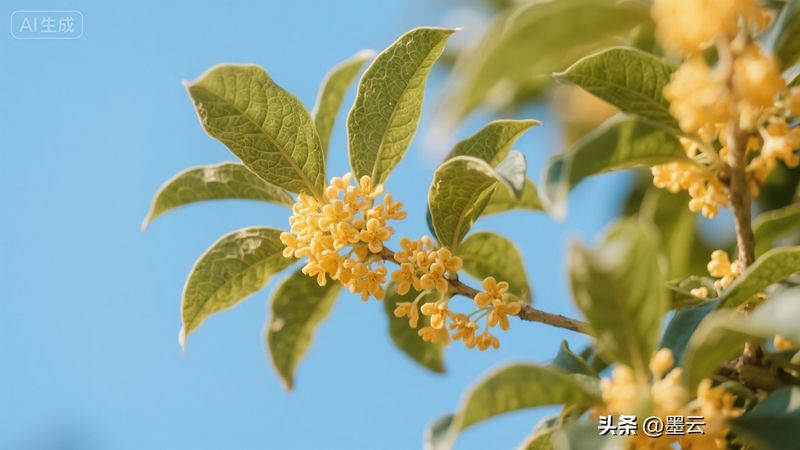
Trees of longevity: caucasian trees have an extremely long life and are common in glaucoma for more than a century. They are “living relics” that bear witness to history。
Chemicals of the "sample": its emblematic sweets are mainly the result of precision matching of dozens of aromatic compounds, such as aromatic alcohol and violet。
Ix. Context
"gin fianxiang wing-kian"
Autumn hearts are strewn, cold mountains are rising, and the sun is steaming。
Who's throwing the greasy snow and dyeing the green
The moon caves are scattered around the world in a spirit of chastity and independence。
Shadows of gold, fragrance, hymns of wood。
I'm going to go back and forth. I'm sorry. How many are satisfied
I'm jealous of you
It's not like the wind's on the rise, and it's like the frost。
And pour a cup, where this flower will open, my house of valour。
Note: choosing to use the term "cinnamon of cinnamon " , which is well-known, and which is well-tempered, is suitable for writing about the deep sense of history of dan cuiang and the meaning of the term "cinnamon". It is written in the "sampling of the sun" and "squares of the moon" trace to their source, and it is praised by "landsing alone". "remembering the past" goes to history and philosophy, reflecting on the utilitarian pursuit of the queen of the palace. The phrase “the roots of” is the hardness and the essence behind success. "winding is the heart of the word: is it true that the wind rises? It's about the self-confidence and tolerance that blooms alone in the cold and autumn. The last sentence, "this flower is my house" is a rise in the world: the psychic place is my home, my beautiful house, to enjoy this place. From the outside world to the interior, it is self-evident。
Concluding remarks
Dan cui, the autumn wood, which immersed itself from myths into reality, from temples to folk, and with which it purified its fragrances and veins, it completed the perfect upgrading from natural images to cultural symbols. Not only is it a bright spot in the garden, but it is also a collective memory and a quest for values that flow in the spiritual veins of chinese。
It teaches us a “autumn wisdom”: true maturity and luminousness require long periods of accumulation and patience; and the highest honour, though bright, is the more eternal value of being a wood that allows others to look to and fold (incentive others). We smell not only the smell of autumn, but also the sediment of time, the thickness of culture and a life-like attitude that is unhurried and irreplaceable in its own season。









