


Chinese medicine mustard: complete analysis of the class, habits and drug value
SchizoThe dry-land component of nepeta tenuifolia briq.) is one of the most commonly used antidotes in chinese medicine's clinical history, which has been classified as chinese in the sorbonne and has been recorded for many generations. They are systematically analysed below in terms of product types, growth habits, harvest seasons, efficacy and core benefits。
I. Classification of mustard products
The drugs for mustard mustard are mainly source-based and processed, with the following two core categories:
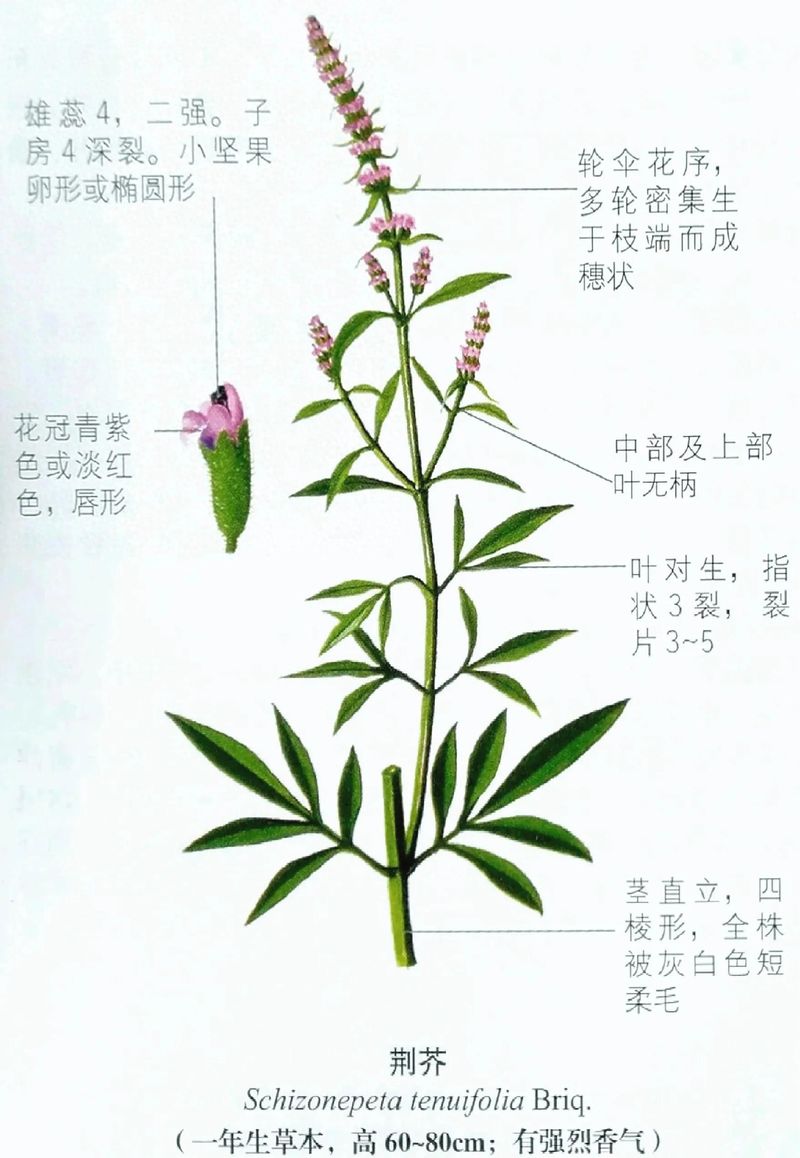
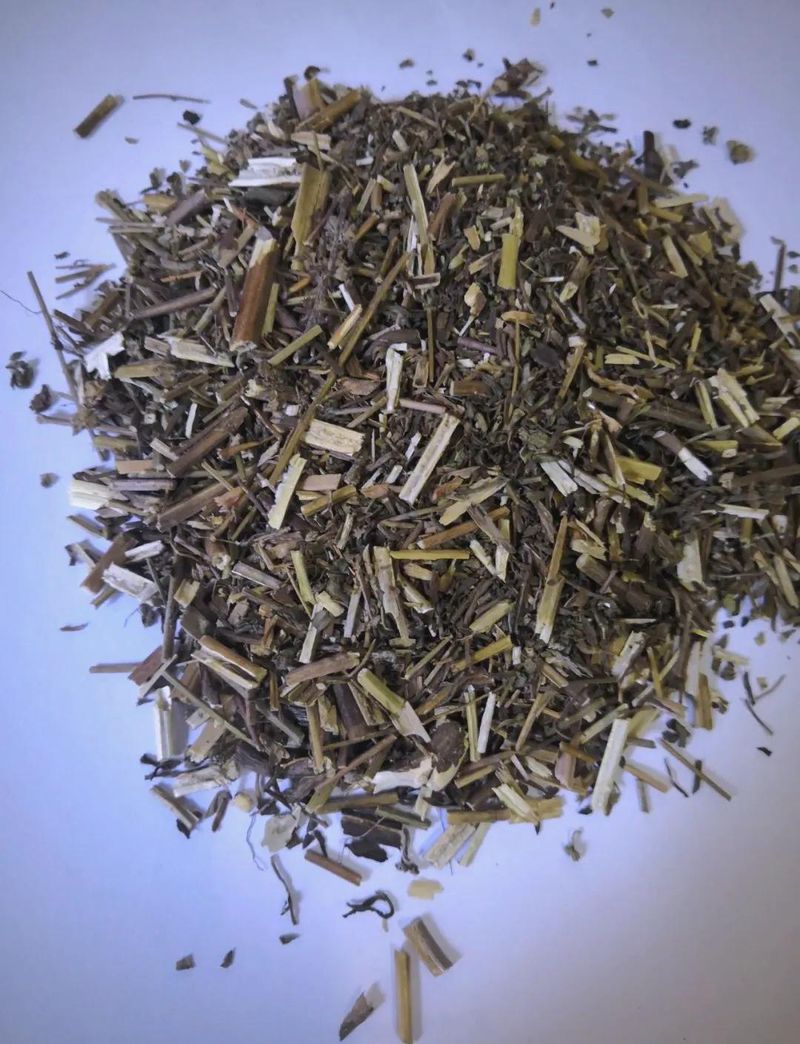
Raw mustard: i. E. An irregular section of the dry land without cannons, a stair column, a light yellow or light purple red on the surface, short soft hair, cut face white, mid-minus on the meds; leaves to leaves, more fall, leaves of three-to-five plume splits, cracks long; crotch curvatures, flowers tiring, cranium bells, first five teeth cracks, light brown or yellow green, small nuts brown. The primary mustard is cold, the surface is more powerful and is often used in the early years of wind fever。
Artillery products:
1. Mustard ears: the pick of a mustard scavenger is similar to that of mustard, but its effects are more focused on the acoustic, decomposition, rashes, and haemorrhages are more effective, especially for early measles, swollen throats and blood fever。
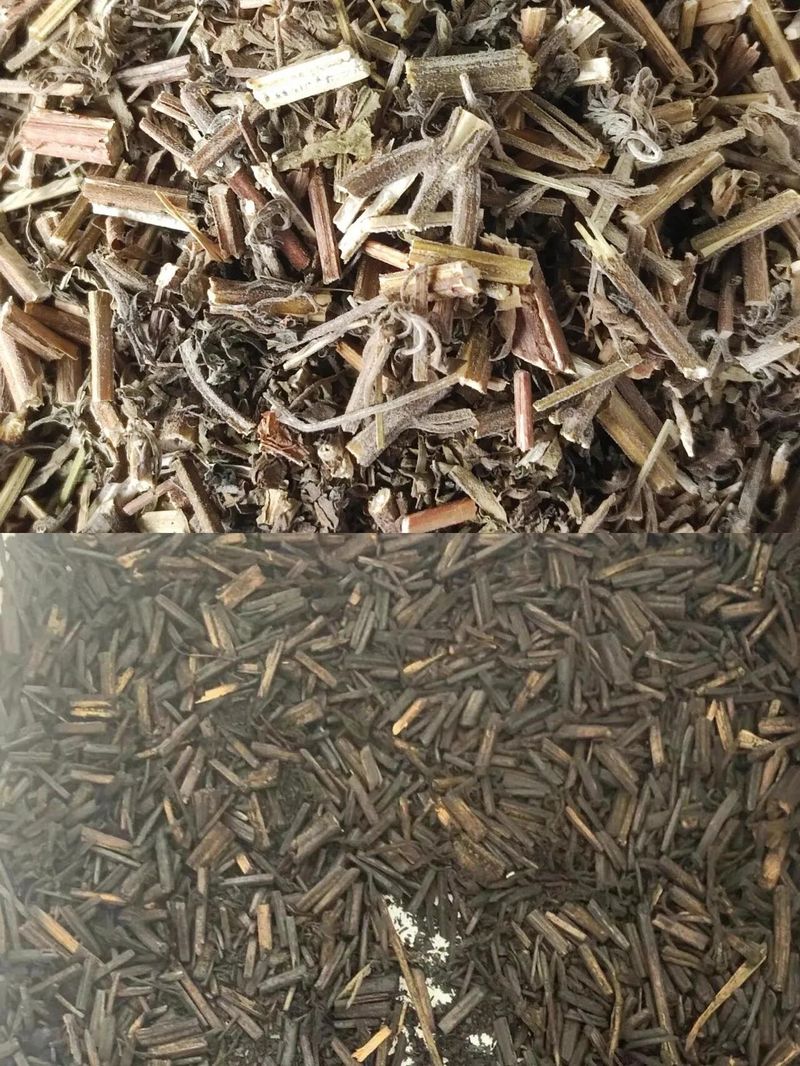
2. Scorched mustard: reduced acupuncture can be achieved by making mustard parts on the surface of the surface yellow with fiery fiery fire, reduced coldness, reduced disillusionment and better suited to a cold or long-term adjustment。
3. Mustard charcoal: mustard parts mustarded with fire to the surface in black, corrosive, incorruptible and disillusioned, with the main effect of stopping the bleeding, are often used in various blood certificates, such as crumbs, vomiting of blood, gourmet blood, leaks, etc。
Ii. Growing habits of mustard
1. Mustard mustard mustard is highly adaptable, warm, wet and sun-rich, drought-resistant, infertile, and less demanding than soil, but it is desirable to keep low-lying areas in line with fertile, well-watered sandy or border soil. It grows at a suitable temperature of 15-25°c, seed sprouts at 10-15°c, and is more cold-resistant during the nursery period and can withstand short-term frost。
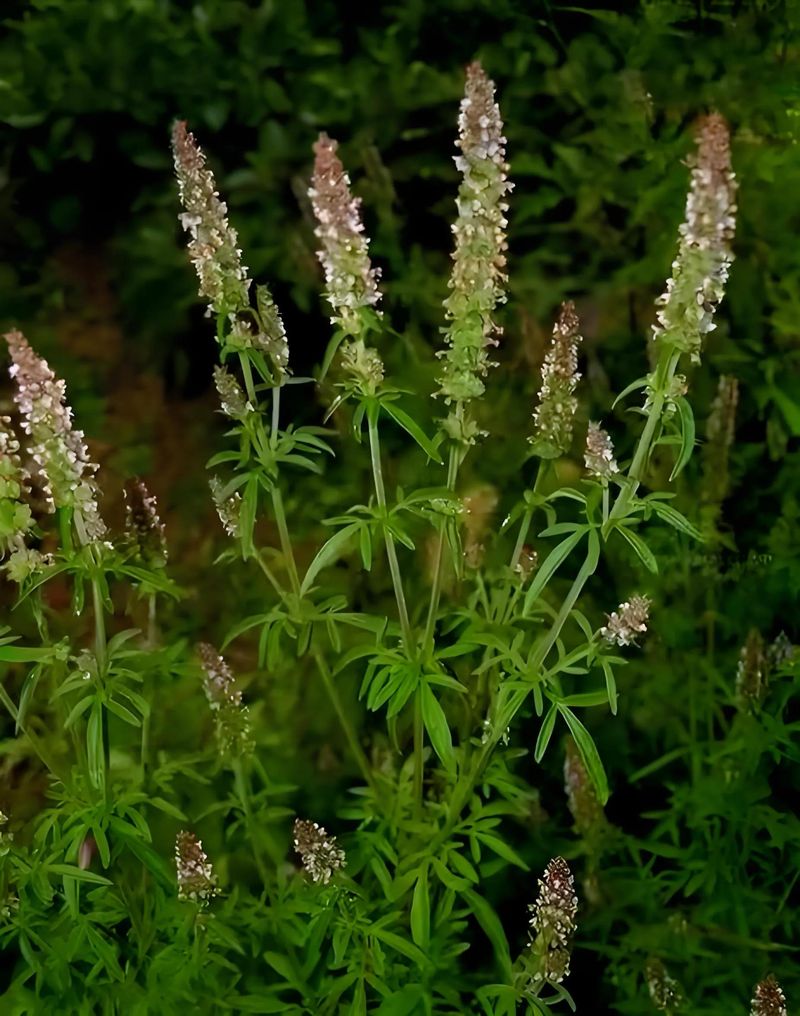
2. Mustard is a one-year grassland plant with 60-100 centimetres tall, straight stem, perseveral, woody base, multiple branches in the upper part, all of which are covered by short, white hair. Leaf pairs, leaf handles of 0. 5-3 cm, foliage or egg-shaped pins of 2-8 cm, width of 0. 5-2. 5 cm, front-end tip, foundation wedges, edges of sawn teeth, both of which are short and soft. Period of july-september, period of fruit, september-november, curvatures or armpits, wreaths or reds, small nuts long rounded tritches and brown。
3. The mustard origin, which originates in the country, is now widely distributed throughout the country, mainly in the provinces of jiangsu, zhejiang, jiangxi, hebei, henan and shandong, mostly artificially grown, and in small numbers in the direction of the sun, such as hill slopes, roadsides and trenches。
Iii. The mustard harvest season and processing
The collection times for mustard mustard vary according to the area of the drug and its use, as follows:
1. Mustard harvesting: during the july-august flower season, when the raisins are extracted and the colour is changed from light purple to light brown, the raisins are full and the maximum active ingredient is present. (c) cutting of flowers with scissors during harvest, removing impurities, drying them in the ventilated dry zone, or drying them with cavity fire at temperatures of 40-50°c to avoid high temperature destruction of active ingredients。
2. Mustard herb harvesting: in the september-october fruit period, when the plant is so thick that the seeds are not yet fully mature, the herb has a high level of volatilized oil. At harvest, the plant is uprooted, its roots and impurities are removed, its parts are cleaned and removed, it is laid open until dry, or it is dried with a dryer, and it is kept in a dry and sealed seal to protect against damp。
3. Artillery processing: mustard mustard when collected and made according to clinical needs. Scramble mustard mustard mustard mustard mustard in the pot, the scrambling to the surface is slightly yellow and cooling out, and mustard mustard mustard mustard mustard mustard mustard mustard mustard mustard mustard mustard mustard mustard mustard mustard mustard mustard mustard mustard mustard mustard mustard mustard mustard mustard mustard mustard mustard mustard mustard mustard mustard mustard mustard mustard mustard mustard mustard mustard mustard mustard mustard mustard mustard mustard mustard mustard mustard mustard mustard mustard mustard mustard mustard mustard mustard mustard mustard mustard mustard mustard mustard mustard mustard mustard mustard mustard mustard mustard mustard mustard mustard mustard mustard muster muster muster muster muster the surface to the black and internal muster, dry to ensure “surability”, i。
Iv. Efficacy of mustard
In the view of chinese doctors, mustard mustard symmetry, mild temperature, which is attributed to the lungs, the liver, has four core effects of detoxification, rashes, abscess, and bleeding, as follows:
1. Untangled wind: mustard mustard sympathosis spreads and is of a peaceful nature. It can both spread cold and evacuate wind heat, which is a “wind agent”, often used for cold fever, headaches and pains. The cold is often associated with wind protection, virulent activity, purple sous, etc., and the cold is associated with gold and silver, corroding, mint, etc., which relieves the symptoms of heat, mild wind, headaches, ingesting, etc。
Itching through rashes: mustard can evacuate the acoustic acoustic heat, go through the hairs, promote rash penetration, often used for the onset and incubation of measles, rubella, rashes, skin itching, etc. The treatment of measles, which is often associated with mints, tungstens, oxen, etc., helps smooth out rashes and reduces complications; the treatment of skin aches, which can be washed out of mustard water alone, or with windproofing, bittering, white skin, etc., increases the ability of the wind to itch。
3. Absorption: mustard mustards spread in warmth, can spread wind in the process, can remove acupuncture pain, is often used for acupuncture, red fever and pain, and is particularly suitable for acne caused by wind heat or hysteria. It is often associated with thermal antidotes, such as gold and silver flowers, corrosives and platinum, such as cactus, which can help to disperse the acreage and relieve the pain。
4. Stop the bleeding: after mustard mustard charcoal, the drug has shifted from stifling to condensation and has a significant effect on the bleeding, which can be used in a variety of blood certificates, such as crumbs, vomiting, gout, leak, post-partum haemorrhage, etc. Hemorrhage is treated in the same way as haemorrhage, which is often associated with earthen herds, falcon grass and side leaves, and cold haemorrhage is treated in the same way as the abdomen, e. G., leaves and ginger, to stop the bleeding without bruises。
V. Core mustard benefits
In addition to the above-mentioned medicinal efficacy, mustard has many practical benefits in its daily application:
1. The medicines are mild and widely applied: mustard temperatures are mild, dry and cold, and can be used in the same way as cold colds, colds and heats, and are friendly to the elderly, children and the dispossessed, with fewer side effects。
2. Combining exterior use with internal clothing: mustard can be used both for internal frying soup, permafrost, and for fumigation or dressing with external frying water. For local symptoms such as skin itching, scabies, etc., the external use can directly affect the infirmity and is effective quickly。
3. Controlling aerobics: mustard mustard to the lungs, able to evacuate the pulmonary venom, improve cough, chest suffocation, etc. Due to the lack of aerobics, while their dissipation facilitates circulation of aerobic blood and relieves bodily acid pain caused by haemorrhage。
4. Pharmacological homogeneity, day-to-day regulation: mustard leaves can be used as vegetable foods, mouth aroma, rich in vitamins, minerals and volatile oils, and suitable consumption can serve a slight decomposition, appetizers, suitable for therapeutic food during the high onset of the spring flu, such as mustard cucumber, mustard, etc。
It is important to note that mustard mustard is peaceful, but it is more dispersive, is used with caution by people who suffer from fiery fires and haemorrhagic headaches, and should not be overdosed for long periods of time in order to avoid the use of vasectomy。
When used as chinese medicine, it should be given under the guidance of a chinese physician to ensure safety and effectiveness。









