


Summary: high temperature and strong light in the summer and autumn can severely constrain the planting of radish seedlings, the growth of seedlings and the expansion of the root of meat, and can be prone to such problems as roasting seedlings, poor seedlings, fibrosis of the root of meat, and bitterness. The sunnet, as a simple and efficient plant-planting material, acts as a cooling, sheltering, shielding and shielding function in the production of radial radishs. Scientific selection and reasonable coverage can significantly increase the seed rate and the survival rate of the radish, improve the quality of the radish and achieve a steady high yield of the cherries。
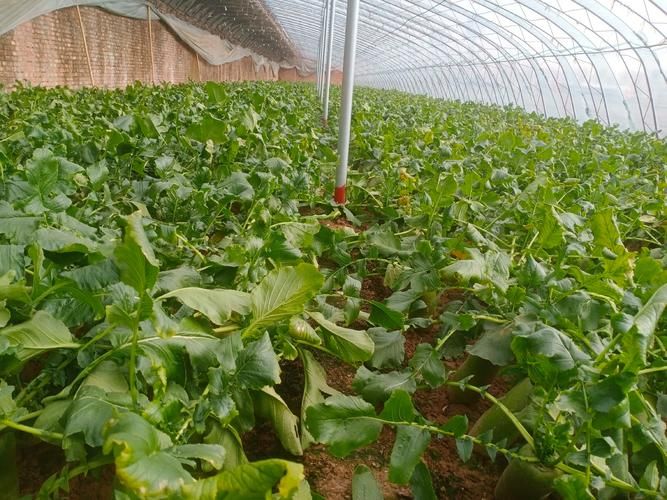
Carrots are cold and cold, suitable for growth temperature of 15°22°c. The summer autumn plant is exposed to constant high temperatures of 32 ~ 38 °c, temperatures above 50 °c above the surface, strong sunlight burns the seedlings, the soil evaporates rapidly, the seeds are prone to burning and the seed is mixed; the heat is corrosive. Large-scale expansion of the meat content has been hampered, crude fibres have increased, and the taste of bitterness has increased, and the value of commodities has declined significantly. The traditional reliance on cooling has had limited effect and is also prone to disease, with sunnets covering cultivation, as an important means of addressing the challenges of summer radish and high temperature cultivation。
The core function of the sunshad is to cool. The cover of the sun-covered net reduces the temperature of 4°6°c inside the shed and above the surface, reduces the directness of the strong light and creates a suitable micro-environment for seed growth and seedling growth. The sowing phase is covered, which reduces soil moisture evaporation, maintains soil moisture stability, increases seed sprouts and ensures proper seeding. After the seedling, it stops the burning leaves of the sun, avoids the aging of the seedlings and reduces the rate of death in the fields. At the same time, sunnets can buffer storm rain, prevent rain-shocking from causing soil slabs, reduce disease transmission from rain-spray, reduce the probability of radish seeding, reduce pesticide use and increase planting efficiency。
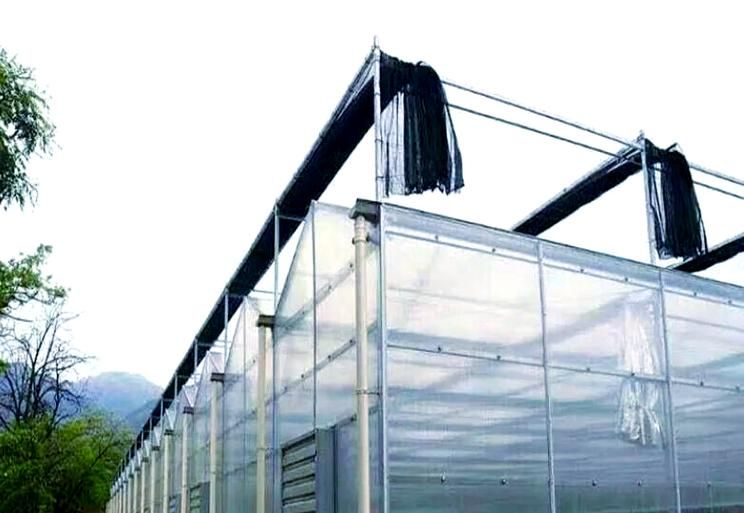
The selection of sunnets directly affects the growth effects of radish. Carrots are radiant crops that cannot be over-shielded, and over-shielding results in long plants with weak leaves and insufficient photocolumn, small roots and reduced yields. The summer and autumn sheds grow radish, giving preference to a 40-50% shade-covered sunnet, either black or silver-grey; the silver-silver sunnet also has the effect of removing aphids and reducing the risk of viral disease. Do not choose to use over 60 per cent of the luminous net to avoid insufficient light affecting the growth of radish. Priority is also given to anti-aging new sunnets, increasing useful life and reducing planting costs。
Scientific coverage management is key to the protection of sunnets, and it is essential to maintain uninterrupted coverage throughout the day. Production is governed by the principles of “black sky, pavilion; midday, morning and evening”, which usually cover the sunnets from 10 a. M. To 4 p. M., with high temperature and strong light, which will be removed in the morning and evening, ensuring sufficient natural light and meeting the need for radish cooperation. The pre-sowning period allows for an appropriate increase in the length of the coverage, followed by a gradual reduction in the duration of coverage and the refining of seedlings. During a period of expansion, the sunnets are removed in time for the temperature to fall, full use of the light for nutrient accumulation and preservation of the radish roots. The installation of a sun-shield net requires empty use, maintaining a distance of more than 50 to 80 centimetres between the net and the plant, leaving a ventilated space that cannot be attached directly to the crop to prevent high temperatures and damp beneath the net and to induce decomposition。
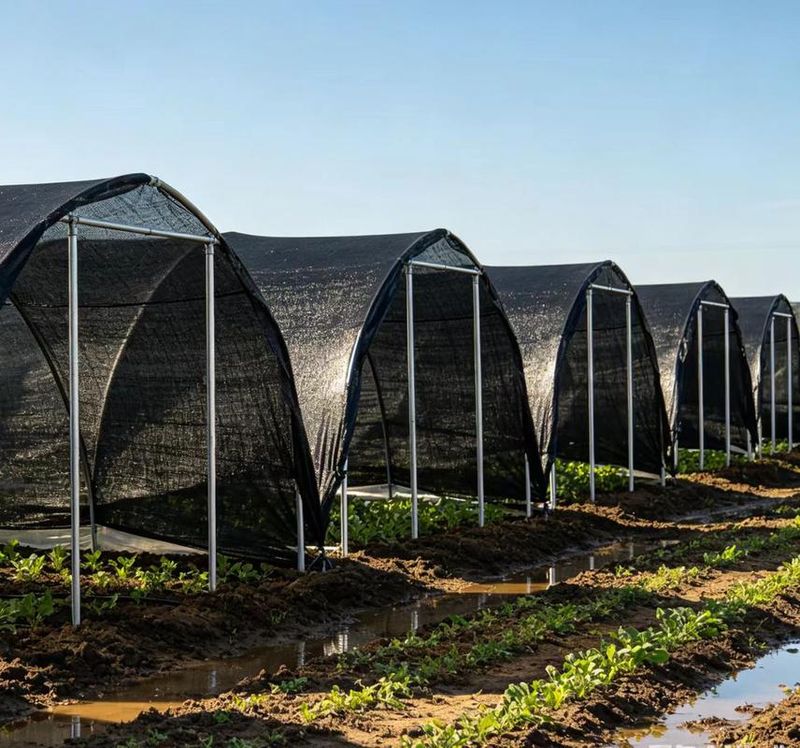
In summary, the sunnet is a low-input, fast-impact agricultural facility in the summer zhou radish plant. Through rational choice of the shade, control of the length of the cover, and regulation of the manner in which it takes place, it is effective in mitigating high temperature and strong light coercion, guaranteeing radish seedlings, improving the quality of the root of the meat and extending the duration of the window during which the radish is grown. But sunnets are only auxiliary tools, and production needs to be combined with hydro-fertilizer management and pest control in order to take full advantage of the sunnets and achieve high-quality radish production。









