The fact that the cultivation of anti-season vegetables is now very popular and that the demand for such produce is very high among the general population also encourages more farmers to choose to grow. Pumpkin, as a very common and widespread crop, is naturally in the group of growing anti-season vegetables. At a time when technology had not previously been sufficiently advanced, it had been very difficult to grow quality anti-seasonal vegetables. Now, after years of searching, growers have found a very useful set of methods. Today, the young editor is here to tell you how to grow high-quality pumpkins in winter。
1. Cultivation management
1. 1 zero rise
Before planting pumpkin seedlings, the first thing to do is to flatten the soil surface and decompress it with no larger earth. Soft soil surfaces can contribute to the growth of seedlings and to the downward growth of roots rather than remaining on soil surfaces. This was followed by a rise on the surface of the flat land, which was 1. 2 metres wide, 0. 8 metres high and 0. 4 metres deep in the ditch. The surface is then covered with a membrane that increases the temperature and keeps the moisture。
1. 2 long-term management
Because a certain amount of fertilizer had been applied in the soil before the seedlings had been removed, there was no rush to re-fertilize the seedlings after they had started. When the seedlings start to grow up to five or six leaves, they can be fertilized again, but when they are fertilized, care must be taken not to overstretched, and it is better to have some fresh water after the application, so that the nutrients penetrate into the root, so that the pumpkin seed can absorb the nutrients. The effects of fertilization can also be achieved at a later stage when some leaf-based fertilizers and water are mixed and sprayed on the face of the blades。
1. 3 pest management
During the growth of the pumpkin seedlings, there is a high risk that they will be affected by various pests and diseases, so it is essential that protection measures be properly implemented. For example, both ants and aphids can cause great harm to pumpkin seedlings, so that appropriate drugs should be purchased during the prevention period and sprayed on pumpkin seedlings after mixing with water, so that aphids and ants can be prevented very effectively. When aphids are found, they should be extremely vigilant, as they not only breed in large numbers, eat vines and leaves on the back of the blades, but also spread some bacteria, causing fatal blows to the vines, and should immediately purchase the corresponding drugs and spray them. And ants eat bouquets and fruit, which reduces the production of pumpkins. There is also the problem of pollinosis, which has a significant impact on the cultivation of pumpkins. The back of the leaf should normally be examined more frequently to see if the leaf has white spots on its lobes and, if found, the timely purchase of drugs for treatment。
1. 4 quality management
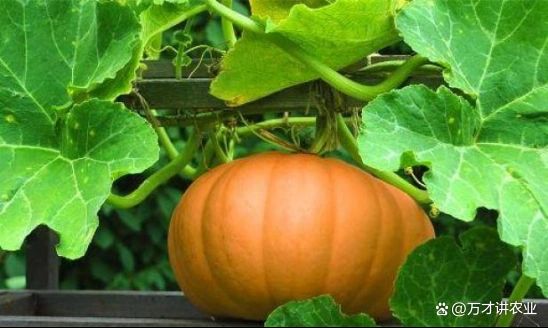
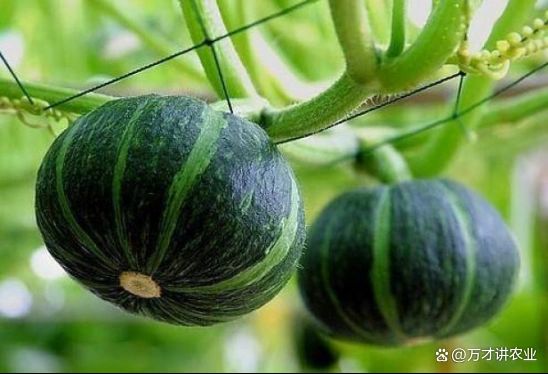
Strengthening the management of pumpkin vines during the bouquet period can be very effective in increasing pumpkin production, which is also a critical period for a year's harvest. This can be done with the appropriate spraying of some expansion and growth agents, which can effectively promote the fragmentation of flowers and produce more pumpkins, thereby producing more pumpkin fruit. However, the use of chemical agents should be strictly in accordance with the instructions and should not be blindly pursued in quantity and production, and the use of the agents should be increased disproportionately, otherwise there is a high risk that they will grow deformities and even cracks。
2. Cultivation techniques
2. 1 fertilizer management
The whole area should be filled with fermented farm fats and mixed with an appropriate amount of organic fat so as to increase soil fattening and meet the nutrient needs of newly planted pumpkin seedlings. Note here that it is essential to use fermented farm fats, which contain a great deal of bacteria and pathogens that, if used without fermentation, can be transferred directly to pumpkin seedlings, thus having a very significant impact on the seedlings and causing them to suffer from various diseases. The choice of fertilizers should not be blindly pursued in a variety of types, but rather in the type needed for the growth of pumpkin seedlings, and should be combined strictly with farm fats, which should be diluted with clean water and watered to the surface of the land. Controlling nutrients at appropriate levels in the pre-growth period, otherwise most nutrients were absorbed by the vines, but the result was to grow and have no practical use for the flowers。
2. 2 water management
Water should be distributed rationally throughout the growth process of pumpkin seedlings, not too dry or too wet, and should be watered in small quantities on a number of occasions, while maintaining water supplies without causing excessive water to rotting roots. If massive water is poured after a long drought, the pumpkin fruit cracks, and if the water is overstretched, the pumpkin seedlings tend to get dusty, starting with a few white spots at the root of the leaf and then spreading over the whole seedling and leaf blades, like a thick layer of powder over the pumpkin seedling. So it's important to balance the water。
2. 3 cultivation and weeding
In the later stages of the growth of the yang-spring in the south, since the soil surfaces will be gradually eased from previous fertilisation and water-watering and the effects of water and fertilization will not be achieved earlier, it is necessary to quench the soil on the surface of the soil, so as to increase the gap between the soil, both by air and by accelerating the infiltration of water and nutrients. At a later stage, weeds are likely to grow and to compete for nutrients in the vicinity of pumpkin seedlings, so the timely removal of weeds is necessary. The two works can be combined, with weeds removed from the tillage and decomposed into nutrients in the soil。
2. 4 whole
Pumpkin seedlings mature and need to be repaired before they are ready to bloom, choosing to grow more abundant branches to keep the other branches cut off in order to ensure that the main branches are fed. Pumpkin saplings have a large area of leaves that, if they grow too strong, will cover up the sun, and light cooperation is not very good, so that small leaves can be properly removed and larger leaves kept。