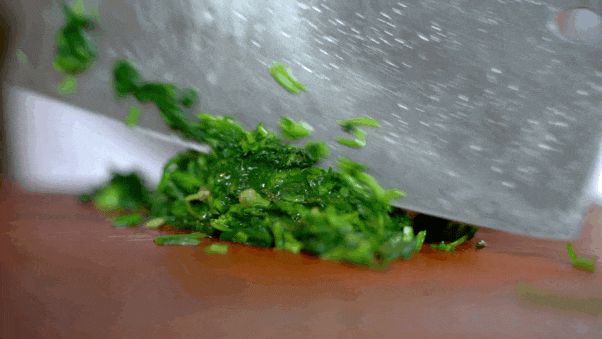
Zippa, the king of chinese wild vegetables。
Even today, most of the pickles are planted artificially, but when it comes to veggies, they are still the hands and chairs of the heads that are not allowed。
It's like a war-breaker who's never been seen again。
There was a great deal in his heart, and he heard thunder in silence。
Land philosophy
Although wild veggies in supermarkets are more expensive than meat, in practice, strong breeding power, high temperature adaptation, dry water resistance, low land demand, rapid growth, and even tens of miles of seed can spread in the wind are the second most wild plants in the world's population — second only to the grasses that people don't love。
In terms of geographical distribution, cabbage is a typical “old continental plant”, naturally adapted to the temperate continental climate, from west asia to central asia, to agricultural belts in eastern china and the korean peninsula。
It is the roots of genes, the poor relatives of pickles, who dominate half of the human table — large cabbage, cabbage, cabbage, cabbage, moss, cabbage, cabbage, broccoli, broccoli, cabbage, mustard, mustard and aluminum — all of which are related to the same species。
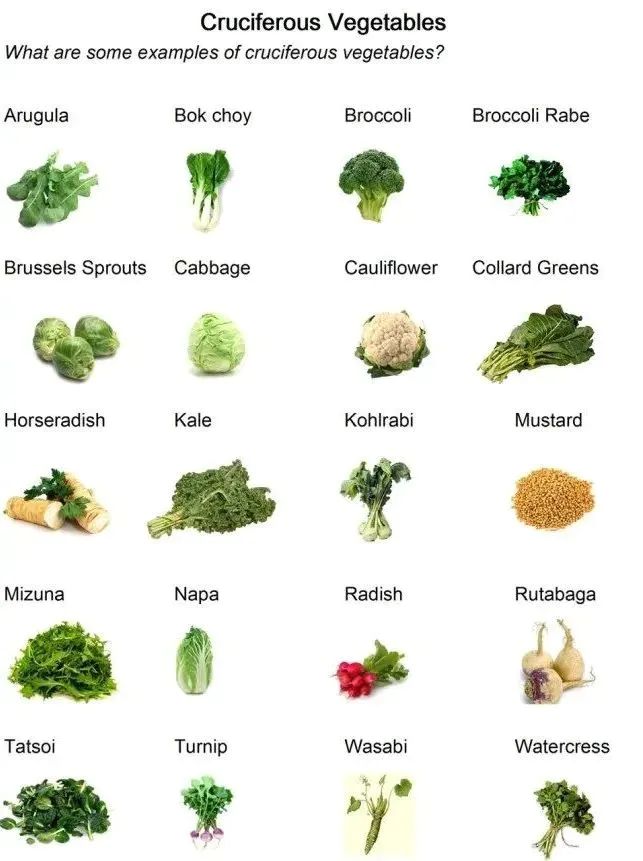
It is interesting, however, that while poor relatives are enjoying their meal, few countries around the world eat it as food. Al-arabian medicine uses pickles as a drug to stop the bleeding, and amerindians use the pickle as a drink, europe as a feed for cattle and sheep, and british children as a toy with their heart-shaped seeds。
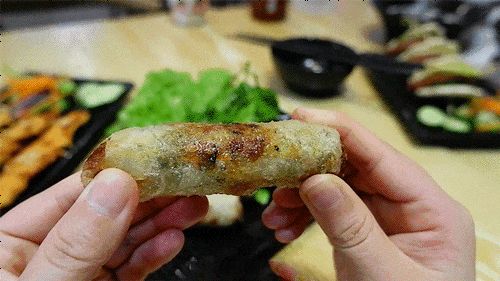
Only in the east asian countries that are more affected by china is there a tradition of eating pickles. The pickles made of veggies, and the chilled vegetables are korean and korean traditional foods; the japanese will eat porridges made of seven vegetables on the 7th of the calendar; and the vietnamese will mix the shredded veggies and shrimps, and be caught in rice parchment, which will be made as thin as wings..
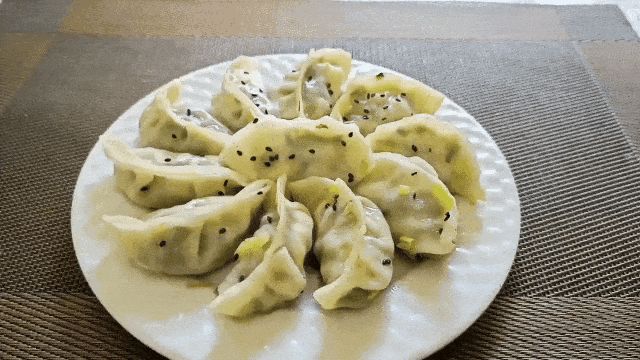
In china, however, cuisine is present in the form of soup, dumplings, sorghums and pastries, which are delicious in the spring for everyone, regardless of the north-south or the non-class。
Tastes decorated with a slight irritation, which, if not hot water, particularly affects the taste; and, at the same time, it can't be as fragrance. The onion is as clean as a tofu, and it's only appropriate to crush the smell with oil or enough carbon water, and the fresh smell of spring can only come out — only with wealth and not with bitterness。
This is probably the reason why easy vegetables, as good as their relatives, have not been promoted in the west as their relatives。
Instead, the chinese have a special preference for it. From the poem, “who is bitter and bitter” to bangu's book, “the city of changan 9 is the most expensive dish” before and after spring. There is an irrational anomaly in the taste of cheap food and fresh food。
In fact, chinese feelings at the bottom of veggies are not only the geo-diplomatic transformation of plant growth and the transformation of cooking processes, but also, and more importantly, the national memory of memory, culture and ways of subsistence. It does not depend on manual work, nor does it require precision farming. Rather, it is more like the “salary” and “confining” of farming societies。
The distribution of pickles is, in fact, a reflection of the basic production structure of china's farming civilization: at its core, it lies between the edge of the cropland, between the fields and the waste, between the “dominant land” and the “natural land”。
It is the medicine of spring, the food of the wasteful years, the treasure of the poor, the footprint of vegetable vegetables, and the most extensive but lightest amount of food in china。
When we ask about the boundaries and spiritual maps of the chinese culture of diet, veggies, although they do not need to exist, have been redrawing, every spring, the intimacy of the land。
It's a change of heart
Weed's not ready, mr. Zach. If the first spring wind awakens is the cherries in the field, the second spring wind wakes up the cherries in the kitchen, the soup and the raisins。
It was born in kanxi, in jeongdong and on the edge of the two lakes. Different landscapes, climates and dietary cultures give it different “local accents”. The raisins of the north are thick, and they smell strong; and the raisins of the south are thin and tender, and they are not strong. Gangnam is called "sauna" and the northerners call it "sauna." the slight difference in the name is actually a reflection of the difference in the taste of geography in the language。
In china's dietary geography, a clear north-south line is drawn, not only from the boundaries of geography and climate, but also from the odour language, food structure and cultural memory。
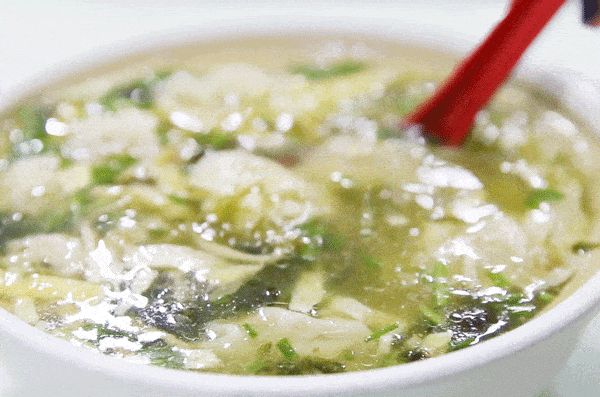
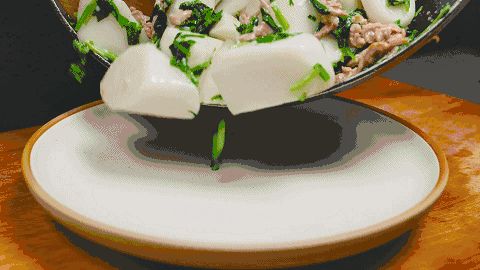
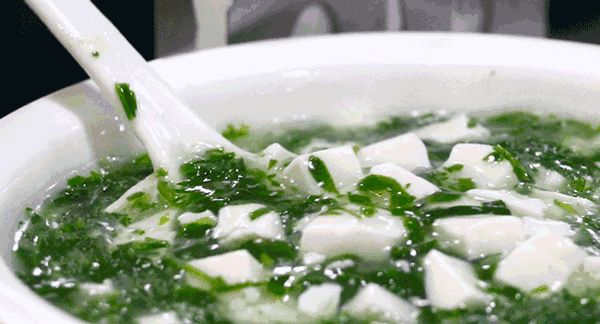
To the north of the yellow river, cuisine tends to be “sweet paste”. The cold weather in the north and the late springs have made veggies the first yearning for fresh green. The most common of the spring tables around hebei, shanxi and shandong are egg soup and meatball soup. Here, the veggies are presented as a “screech”: scrambling into porridge, soup, mixed with eggs, pink skins, pink bars, mountain medicine, etc., smells and doesn't get tired of it。
Behind this “smuggling” is the north's preference for hot soup and the compensation for the taste of fresh food in the diet. In a cultural structure that talks about “feeding”, curry is not the main event, but always glows on the edge. It is often co-existed with tofu, platinum, meat, pens in the background, green leaves on the table。
On the other side, the vegetables are in gangnam, like ink on the paper. It is given a more sophisticated identity, a more complex approach and a more emotional one。
From sunan and zhebei to kyuzhou and gangnam, the most common identity of veggies is “pest”. Whether it's a charade, or a spring roll, or a bun, or a pickle, it's a odour anchor in the spring. It is well known in the u. S. That during the period between the spring and the dawning of the qingh, families are required to make the same foods as the festivals and the deep-seated country。
There is no more of the best of them than the cherries of pork. In the garden menu, it was written: “the raisins are made of the new ones, the fragrances are green, and the pork is plattered, the most suitable for the dumplings and spring rolls.” this is the interweaving between the fragrance of raisins and the fragrance of pork, which is fat and not greasy and clean. A lot of old pasio people will tell you that people who really know how to pack food in the spring -- it's the first green in the spring, and it's the time beat of su-style life。
A little bit of fresh shrimp, a little silk, and a little bit of salt。
And in kew county, the celery, celery, fragrances, pork pastries, and the next slice of cuisine burst. Here, the pickle is the "sorture" of life and the code of local identity。
Why is the south so much a “pin” and the north primarily a “pin”? Behind this is a deeper difference in diet structure. In the yangtze basin, where rice is the staple food, the level of detail and taste is greater than the space available for cuisine as a ingredient. In the northern plains of china, however, pasta is the main staple, especially in the traditional coarse-food structure, where pickles are used as “soft” rather than “principal”, emphasizing their synergy with foods such as beans and eggs。
From a historical point of view, this difference is also linked to the path of “sweet migration”. In the south, the development of “home-cultivated cuisine” was earlier, particularly after song dynasty, when a large number of northerners moved to the south to bring the cuisine to grow, along with the technology and preference of “package”. In dream beams, it was written: "the greens of spring city are the best, and women fight for it. This is a scene in the city of pianan street in the south, and is a historical point in the south of the map of the diet of veggies。
So, with the south of the population and its sense of taste, it was able to change in gangnam from the wild to the fine. Its aroma is beginning to become delicate, and its taste is no longer high, but it is whispering along with foods like rice, tofu and shrimp. It was the preference of the eaters of that time, and it was the steam that rose between the festival of light and the black wall of white walls in the kitchen。
It is not just the distance from the field to the table, but also the social flow map from the “coarse country” to the “difficult”。
In a more ambitious narrative, the taste of cuisine in the north and south is different, and not in our country, where the two distinct cultural links between the yellow river and the yangtze are present. They are living, developing and re-entering into the sea of shared prosperity。
State of the land
The term "creas" has always had an awkward dual identity in chinese history: on the one hand, it is a manifestation of the wisdom of the people's diet and a symbol of natural symbioticity; on the other hand, it is often associated with the term "defunct years", "hunger", "must do it". The pickles are the longest and most complex in the history of wild vegetables. It is both a spring gift and a bottom line in times of national crisis. Its fate fluctuates with that of the nation。
The name of the cuisine has surfaced several times since the twentieth century. It was the first turning point, in the early 1950s, in the “rescue movement”. In 1959, severe famine struck many parts of the country, with the introduction of a technical summary on the use of wild foods, in which veggies were listed as one of the “preliminary cuisine”, encouraging collection, cooking and drying. “creaming” became a common alternative in urban and rural canteens at the time and was even compressed into troop rations and urban collective supplies。
This is a bitter memory and a nationalization of the identity of the veggies. The grass, which is already visible on the fields and grows freely, is integrated into the national material plan. It's the wild, and at that point it becomes the resource; it's the scent, giving way to the available. In a sense, this history has created a dual image of veggies in the collective memory: it is both life-saving and home-grown。
After entering the 1980s, as the modernization of agriculture progressed, so did the cuisine, which gradually moved from “field” to “home”. Initially, farmers in the gangnam area domesticated themselves during the off-season season and selected seedlings of stable castes for artificial cultivation; this pattern was then rapidly spread throughout the country, particularly in the jiangsu, anhui and zhejiang regions, where a “sangzhou” standardization industry was formed. In 1984, the agricultural institute of jiangsu province took the lead in setting up a “base for the breeding of fragrances”, which was first included in the national list for the promotion of vegetable cultivation as a commodity。
It is the development of cold-chain technologies and the transformation of the city's tastes that has made the cuisine “urbanized”. Since 2000, pickles have become a regular feature of spring promotion menus at large and large supermarkets in the north. Fielders are also beginning to recognize it, eat it, or even write it. But the real turn comes from a kind of “new country aesthetics”。
Since the beginning of the twenty-first century, a “back home narrative” has emerged. From literature to film, from gardening to local writings, pickles become the expression of the key words “spring”, “home” and “mother's kitchen”. In documentaries such as "china on the tip of the tongue " , " the man of the favorite " , veggies often appear in reverse light, with mud, steam, and a human temperature that is “selected by urban memory”。
Its identity has also been translated: it is no longer a “food substitute”, but a “cultural symbol”. The sauerkrauts began to appear in the menus of the city's restaurants, “the sauerkrauts with green plum sauce”, and “the wild sauerkrauts with curry soup”. It even went to the national banquet and became the representative of the “temporal culture”。
In april 2010, at a welcome dinner at the shanghai world expo, a carp from the canteen boarded the main menu. Shanghai reports that the dish is described as "cookers take small fish out of the skin, cook wild guacamole pellets, and allow the common time ingredients to be shared with the world's guests through cooking skills."
This is the first time that chinese people have eaten it for thousands of years, and the pickles have entered the magnesium lights of the top stage。
This shift, which is ostensibly a renewal of taste, is actually a rewriting of social identity: the original “poor food” enters a high-end context and the original “native food” is packaged as “cultural assets”. The pickles complete their three-stage jump: from the field to the kitchen to the national narrative。
But has it really changed? In the cold cabinets of the city supermarkets, and in the china bowls of the high-end restaurants, the pickles still retain their bitter fragrance and micrograss. Its “field” has not completely disappeared, but has been redefined as a symbol of “naturality” — both anti-industrial and anti-forgotten. Every person who eats a pickle chews a metaphor that belongs to the land。
From the wild to the country, from the folk to the cities, from bitter to the incense, from the edge to the centre, the weeds of veggies are almost complete records of the modern migration trajectory of the chinese food culture. It's not the lead, but it's always there. It smells light, persistent and tenacious, like the unnamed labour, the silent homeys, the odours that are not recorded in the mainstream but deeply embedded in the human mind。
With regard to the geography of the country, it is not a map, not an administrative division, but a long flow line on taste maps. It connects territory, crosses history and ends up in the spring of everyone。
I'll be right back
I'll be right back
♪ ta-da-da-da-da-da ♪
I'll be right back
♪ ta-da-da-da-da-da-da ♪
Cream, casserole, eggs, casserole
I'm sorry
Cream, cranberry, cream