


1. Selection of seedlings
The celery is mainly of the type of solid celery and of empty celery, which are well-resorted, well-resilient, productive and slow to grow, while the celery leaves are empty and growing faster, and the celery is transformed into — and the celery is a very good variety. Seeds are immersed in water for 12 hours before seeding, they are washed out, then they are sprung in the greenhouse environment with wet towels, they are washed daily with water, and they are sowed when half of the white is found。
2. Cultivation methods
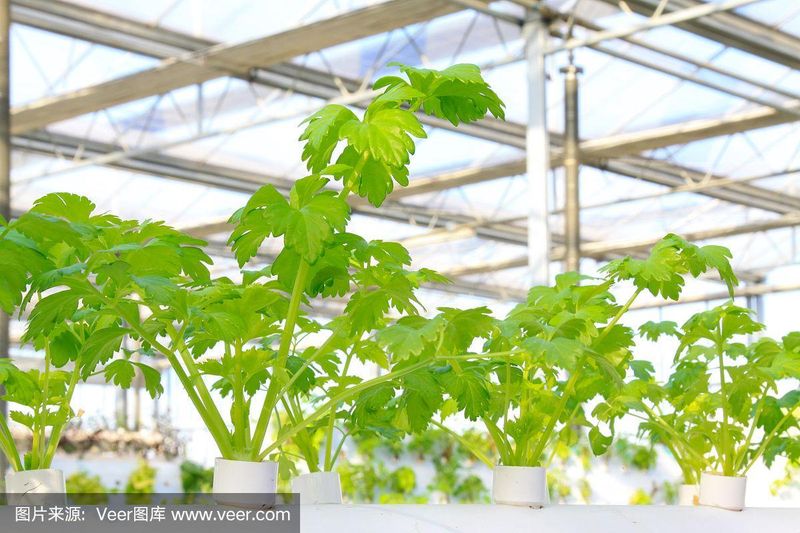
Celery is now grown mainly in the form of rock cotton, which is low-cost, effective and suited to our conditions. The ground is levelled, the soil is solid, then a 20cm deep, 100 cm wide, 10 cm long, then a polyethylene film is laid inside the tank, which is then filled with a matrix such as rock cotton, cylindrical or river sand, so that the soilless slurry is completed。
Three

While the management of fat water is enhanced before and after seedlings are produced, seedlings grow two or three leaves, choosing to grow strong seedlings. The seedlings are grown at a distance of 10 *10 cm and, in the case of pelicans, are expanded to 20 *30 cm, usually to plant a seed in each den and supply nutrients in a timely manner。
4. Plantation management

Nutrition is the key point for achieving high productivity and eugenicity of soilless cultivation, which can be adjusted with composite fertilizers, bearing in mind that ph values are between 6 and 6. 5. Celery grows at a temperature of 18-25 degrees, so that the temperature is kept at this temperature every time the nutrient is poured, and if the temperature of the root system is below 15 degrees in the long term, it is not conducive to the growth of the root system, which is not conducive to increased celery production. There is also a different nutritional demand for celery at every stage of growth, which usually requires two or three nutrients per day to flourish, which can be reduced in both the front and later stages, with better regular recovery in order to avoid water deterioration and strains and increase the risk of disease. These are earthless celery techniques brought about by a network of large shed vegetables, which are generally available for about two months, much faster than traditional cultivation methods。









