


Fireworks, fireworks, firecrackers, firecrackers and artillery battles are usually used to promote celebration and celebration during festivals, marriages and openings. What difference does it make between fireworks, fireworks, firecrackers, firecrackers and artillery battles, which are all carried out in a way that ignites a fuse that causes internal black powder
Fireworks and fireworks
Legend has it that the ancients used bamboo to make thunderbolt noises during burning heat, and that was the first firecracker. For the first time, in 621 a. D., tang dynasty lee loaded the powder into a bamboo tube, which caused an explosion by ignition. Subsequently, the pyrotechnics were packed with bamboo pipes, both of which were filled with water and mud, and were then blown up by ignition, which greatly increased safety risks, as was the origin of fireworks, fireworks, firecrackers and artillery battles。
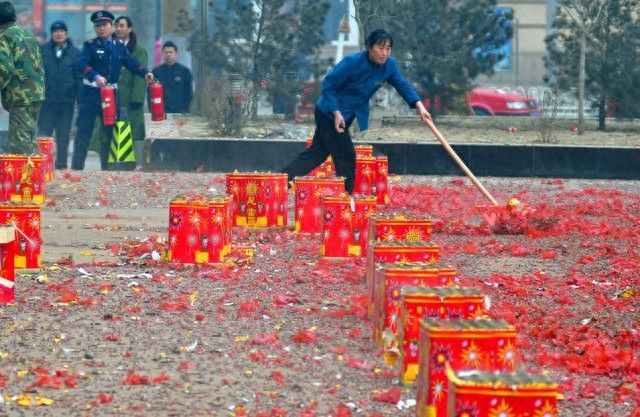
The difference between fireworks and fireworks
Firecrackers: the main component is black powder, consisting of sulphur, charcoal powder, potassium nitrate, etc., which causes explosions, blasts and flashes through the burning of black powder. The firecrackers are typically small cylinders with shorter sound and flashes。
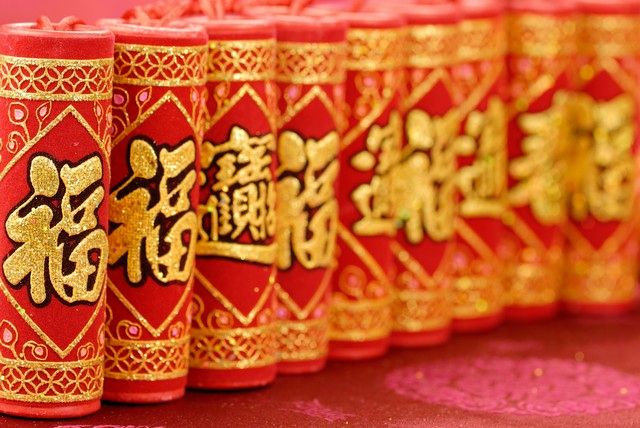
Pyrotechnics: in addition to gunpowder, the main components are chemical substances such as metal salt, which produces colourful light and patterns during combustion, using the flaming reaction of metal salt. It is usually composed of transmitters, underseas, etc., which are diverse in form and are typically made of multiple masonry, often in square shape, and may have acoustic noise during combustion。
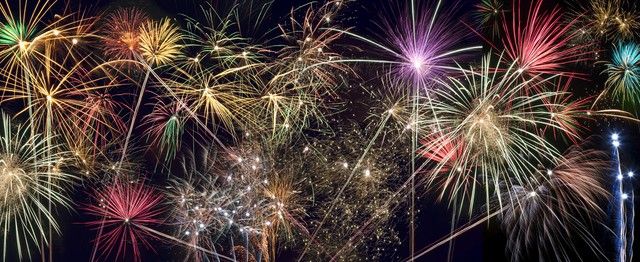
The difference between firecrackers and artillery
The firecrackers are often made of a string of little fireworks made up of threads, long strips, such as a whip, which, when set up by name, can produce a continuous charade of sound, which is dense and coherent and creates an atmosphere of excitement and joy。
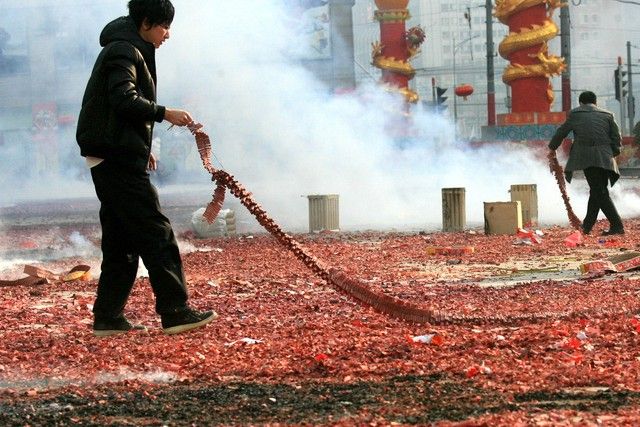
Artillery: usually individual, with a relatively large diameter, a short length and a thick, short cylinder of fireworks. Artillery and firecrackers are essentially the same thing, with minor differences in terms of name and partial usage。
The firecrackers are more traditional and official names, and they were born in the early qin era, when they burst into sound in order to drive away the plague, the demons, etc., which are more common in literature and poetry, such as wang an-suk's one-year-old firecrackers. Artillery is later known for its similarities with the use of gunpowder and spraying methods. It is used mostly in dialects and dialects such as heilongjiang, jiangsu chang county, and subei region, where donkeys often say artillery。
The early fireworks are simple bamboo, which is burned in the fire, and the sound of a heat explosion. The gunpowder was later supplied, and the powder was filled in the canister for burning, and there were fireworks. Later on, the drums and the gunpowder were made of a string of firecrackers. Artillery usually refers to a single or small number of connected gunpowder, which may be in the form of a thicker paper drum, such as a large single-fired firecracker, also known as a second kick, and so on. There have also been instances where firecrackers, fireworks and fireworks have been referred to as artillery battles in the shubei region, as well as single small firecrackers that have broken them apart。









