



Native native culture
It's getting bigger and bigger
Multiregional technology inclusion
In recent days, journalists have learned from the limited liability company for the development of technology and technology in the river trajectories that its founder, zhang zhang qi gui, has pioneered the implementation of the technique of seeding potato fog in shanxi province, which has produced significant results in terms of the expansion of cultivation and has created new pathways for the re-engineering of the potato production system in the mountains。
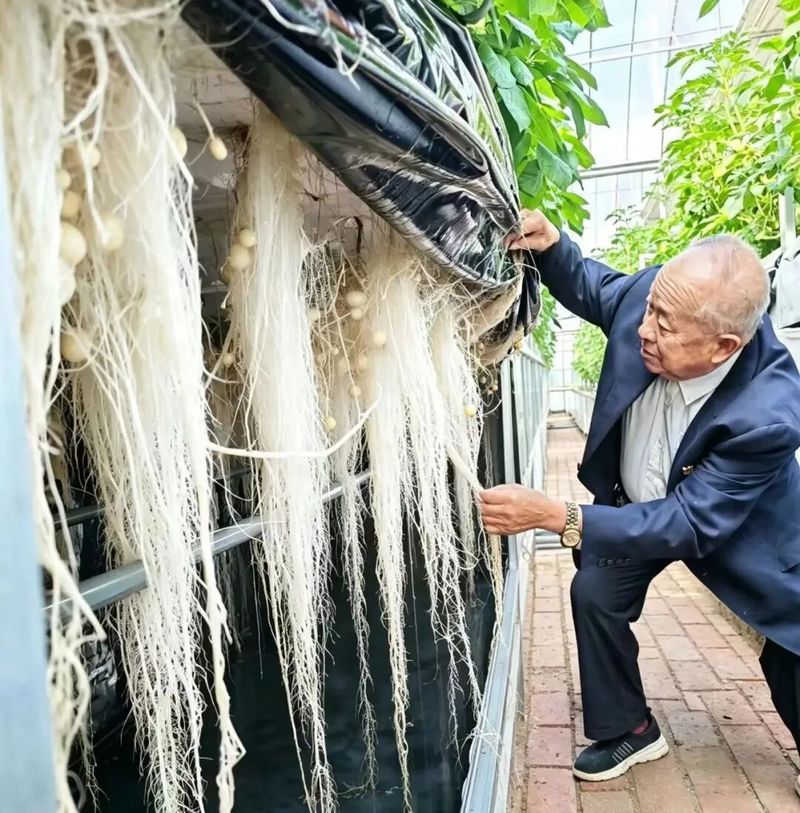
In addition to the detoxification of potatoes, which has taken place over the past decades, the localization of the localization of “microfacing and home-grown farming” has been innovative, with a view to significantly streamlining the flow chain, reducing the cost of planting, simplifying the operation process and lowering the technological threshold so that ordinary farmers can really afford, learn, grow and grow。
The long-term field practice has taught zhang that the country's many-year-old breeding model of cylindrical matrix is the biggest box that constrains the development of potatoes and impedes industrial upgrading. Long-term empirical data confirm three major problems: a 325 m2 production shed, an increase in the cost of cylindrical materials from $1,200 to over 2,300 dollars, and the continuous lifting of potatoes the costs of breeding and farming; the high levels of micro-fascinosis and cross-infection due to the highly remnant bacterial virus of the cylindrium matrix, the large area reduction and poor quality of the commercial potato due to the influx of cassiterite into the field; and the inability to dispose of used cystals in a non-hazardous manner, which can cause soil and environmental pollution as a result of any dumping, are not in line with green agricultural development。
In the autumn of 2025, zhang manchui took the lead in introducing potato mist breeding techniques in shanxi province, building an intelligent fog production workshop. The new fog culture is based on a culture of cyclic fogization in trophic fluids, with seedlings of potatoes growing in suspended space, leaving the soil base all the way out, cutting the path of bacteria, virus infestation from the source, the pureness and quality of the plentiful microfats, and the cure of the crumbs that have plagued the industry for decades. Comparisons show that the costs of fog-breeding production have been reduced by more than 50 per cent, that the quantity of individual potatoes has increased by a factor of 2 to 3 and that it is not subject to seasonal and land conditions and that it can be recycled throughout the year, breaking down the challenges of root causes, such as leachate disease, low capacity, high costs and poor quality. At the same time, zhang man gui successfully introduced pre-established potato varieties, managed the technical difficulties of growing them during the summer season and managed to double-plant them during the summer and autumn season, enriching the county cultivation model and effectively widening the revenue channels for farmers in kawakawa。
In order to sustain the quality of the seeds and to magnify the radiation effects of the good species, two standardized scale potato breeding bases have been built, with a mature industry pattern of “home-grown originals, excavated exteriors, multi-regional technology inclusive” based on high elevations, high temperature differentials, small aphids, and high seed endowments of natural isolation in the built-in mongolia region. At present, cross-regional scientific and technological support, industrial solidarity and mutual benefit are achieved in all parts of the province and in 26 districts and municipalities of the 10 provinces of inner mongolia and shaanxi。
After years of sustained technology, deep tillage and global expansion, the average acreage production across the riverine canton has risen from 1,500 to more than 3,500 pounds, high-yield demonstration plots have exceeded 6,700 pounds and the prevalence of detoxicated potatoes has reached 92 per cent. The ripples completely reversed the industry's vulnerability, moving from traditional seedlings to the county butterflies to a core export base of jinbei. (reporter fong chun, correspondent wu chuo)









