


The early planting of the eggplant shed spring was made more efficient through the use of small accelerator and membrane facilities in the shed for the purpose of early planting and early marketing. Because it has so many advantages, it is widely used. So what do you know about its planting points? Come with me
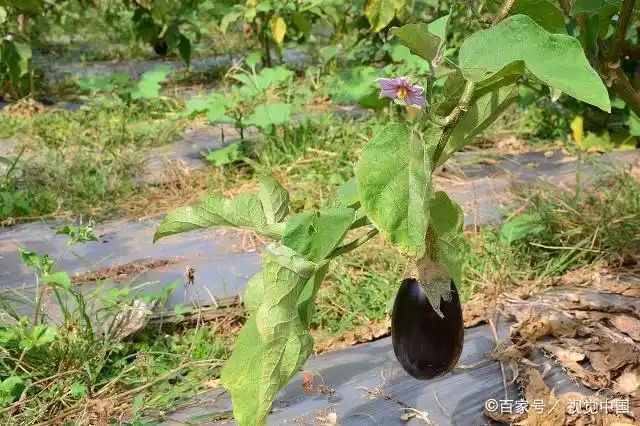
1. Choice of varieties
The selection of very early or pre-maturized varieties that are resistant to cold, weak light, short of strains, suitable for planting。
2. Cultivation of seedlings
Cultivation can take place earlier than october of the previous year, using cold bed breeding in large plastic sheds, as well as hotning and hotning. After seeding, 30 to 40 d, when the seedlings have three to four leafs, it is selected with 10 cm x 10 cm of nutrients. A week before planting, seedlings should be trained。
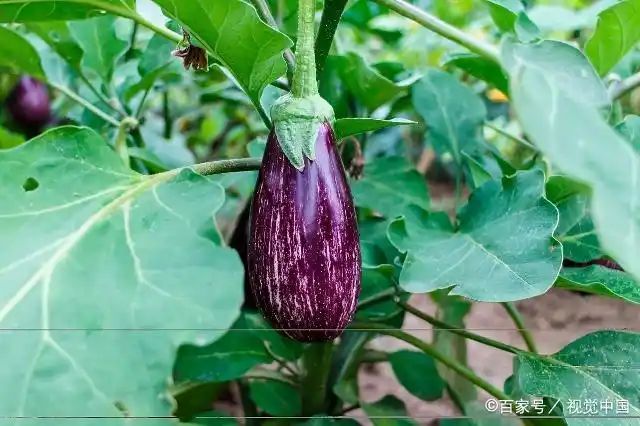
3. Timely planting
(1) whole earth fertilization
The sheds should be repaired in time for winter, and the weather must be lifted around a month before planting in order to improve the temperature of the sheds. After the previous harvest, it was about 30 cm deep in time。
Some 10d of the pre-plants are made to be high-level, with a back-forming tortoise and a combination of base fats. In general, 500 kg of corroded compost per acre, 80 kg of compound fat, 60 kg of high-quality pie, 2/3 of which are applied to the earth, and 1/3 of which is applied to the fixed gutter after the tanning。
Conditional electro-heating lines with a power of 800 w vertically can be laid at the bottom of the established ditch, with a line laid in each row. Before covering the membrane, it is important to flatten the mosaic。
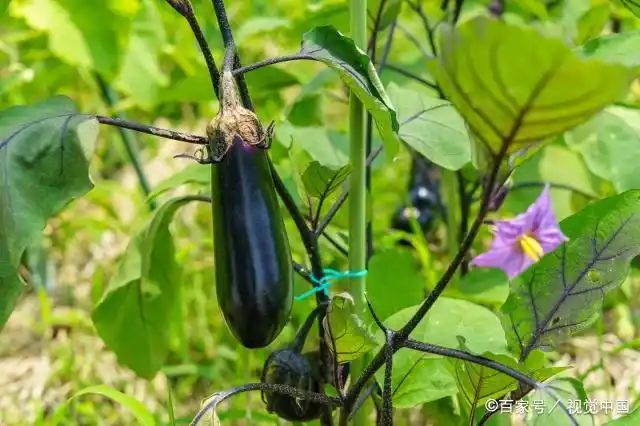
(2) demolition
The planting period could be in mid-february, with the choice of a “cold-tailed” sun. Large-scale planting, i. E. Planting of two rows of distance (30-33) cm x 70 cm on an acre length of 1. 5 m ditch。
The day before the planting is scheduled, the seedbed will be watered once, and the depth of the planting will be appropriate to bring it together with the leaf of the seedling. If planted on a membrane, the holes should be as small as possible, and the seedlings should be sealed, with a proper amount of water fixed to the root water, which may be mixed with a small amount of thin dung。
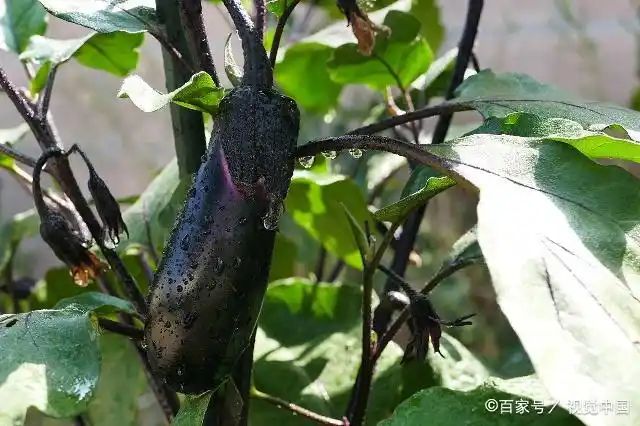
4. Field management
(1) temperature management
After planting, the seedlings have a five- to seven-d perturbation period, which is largely free of ventilation, with temperatures ranging from 24 to 25°c in the control sheds and around 20°c in the ground. The temperature of the shed above 25°c should be ventilated in a timely manner, so that the maximum temperature of the shed does not exceed 28-30°c, and the temperature is suitable for 15-20°c。
In the pre-growth period, when cold and cold weather conditions are encountered, it is possible to warm the soil between the roots at appropriate intervals, or to maintain the temperature by multilayered cover measures such as covering straw curtains. After the harvest period, temperatures are gradually rising, increasing ventilation and increasing light。
When the minimum temperature at night is above 15°c, there should be extensive night ventilation. In june, to avoid a high temperature hazard above 35°c, tectonic membranes could be removed and converted to field cultivation。
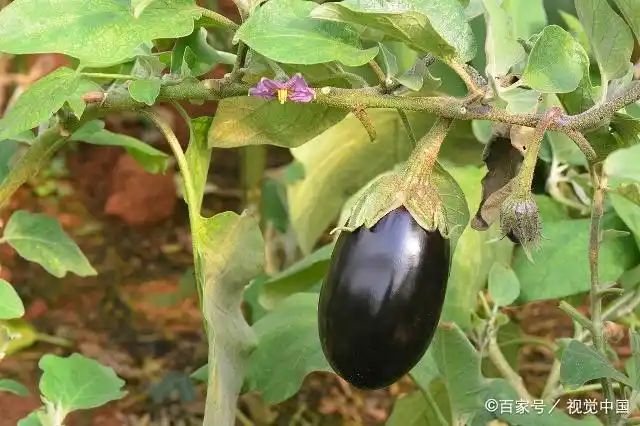
(2) fertilizer management
After planting the seedlings, water should be combined with thin or compound fertilizer. After the end of the outcome period, heavy manure or compound fertilizer can be applied when the tomatoes start to expand。
As a result, fattening should be pursued every 10 d or so per acre, from 10 to 15 kg or 1,500 to 2000 kg of thin manure, and should have been harvested in the first batch, which is being expanded rapidly. The facility is also able to use a mixture of 0. 2 per cent potassium phosphate and 0. 1 per cent urea for foliage。
In water management, 80 per cent of the soil is to be kept relatively moist, especially during the festivities of the result, water is to be poured in a timely manner at the beginning, in the long term and in the days preceding the harvest, and the principle of “less, more and less” is to be applied to each layer before, during and after its development。
The first watering of each layer of fruit is best combined with the pursuit of fat. The amount of water to be poured in each case is subject to flexibility in the light of the size of the plant and weather conditions at the time, and increases as the plant grows and develops。
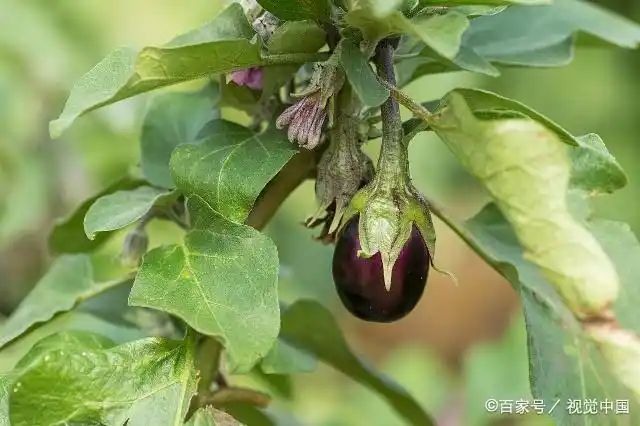
(3) the whole leaf
Using the “naturally happy whole branch” method, i. E. Each branch retains two symmetrical branches that are slant or horizontally grown, eliminating all remaining branches, especially vertical ones。
The removal period is for the removal of all abrasions that occur when the eggplant sits firmly and after the flowering of the eggplant and the guillotine are removed separately from their lower abrasions. In addition to the timely removal of abrasions above the guillotine, the top is to be taken in time to ensure the harvest of 5 to 7 fruits per single plant。
The whole branch can be removed from a portion of the lower leaf, and moderate leaves can reduce the fall flowers, reduce the decay of the fruit and promote the colour of the fruit. In order to improve ventilation conditions, some of the old yellow leaves or very weak leaves for light cooperation may be removed。
The method is to remove the leaves from the lower part of the eggplant when the diameter of the eggplant is 3 to 4 cm, and from the lower part of the eggplant when the diameter of the eggplant is 3 to 4 cm。
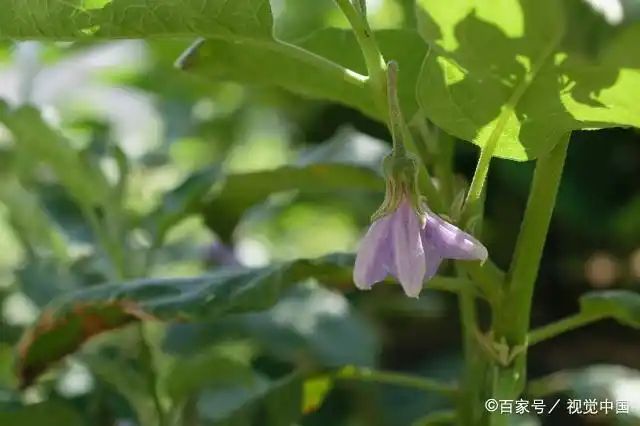
(4) cultivated land
Using membrane cover, by late may and early june, the membrane should be removed from the ground for a one-time plowing of the ground, which, in order not to cause damage to the electric heating line, would allow the surface of the earth to be moved lightly and easily。
The principle of deep, low mid- and late-stage farming is to be understood in the middle of the rows, with up to 7 cm in the first and around 3 cm in the middle and later stages, and to combine with the field。
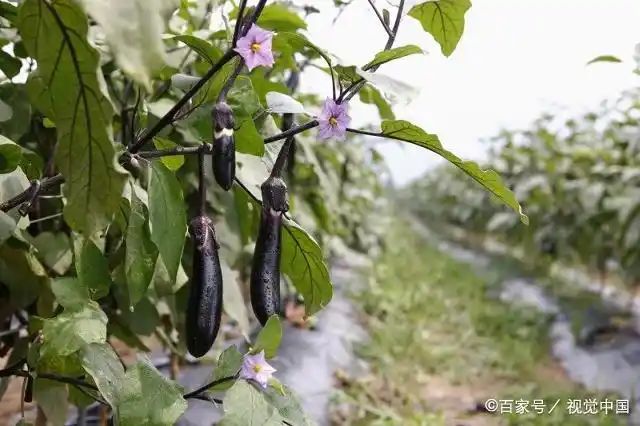
(5) prevention of falling fruit
When temperatures are below 15 °c and light is weak, the soil is dry, malnutrition and the tectonics of flowers are defective, they give rise to flowers falling fruit. Plant growth regulators, such as 2,4-dit and chlorophenylacetic acid, can be prevented by early growth of flowers。
For example, the suitable time for processing is between the day when the flower bud is fat, the downside, and the petals are just showing purple to bloom. For the treatment of flowers, three methods can be used, one by one, for sprayers, one by one, and one by the other, by the plastering of flowers with a brush。
Concentrations treated with flowers: 2,4 to 20 to 30 mg/kg, 25 to 40 mg/kg for chlorophenyloxyacetic acid, low at high temperatures and high at low temperatures. During treatment, concentrations and spray volumes should be kept strictly in order to avoid high-temperature sprays, not to be sprayed on top of the tree canopy, and the second should take place after the first spray from 3 to 4 d, at intervals ranging from 7 to 10 d, with care not to repeat sprays。
You've finished reading what's going on here. It is hoped that the content shared today will help our friends who are growing vegetables









