


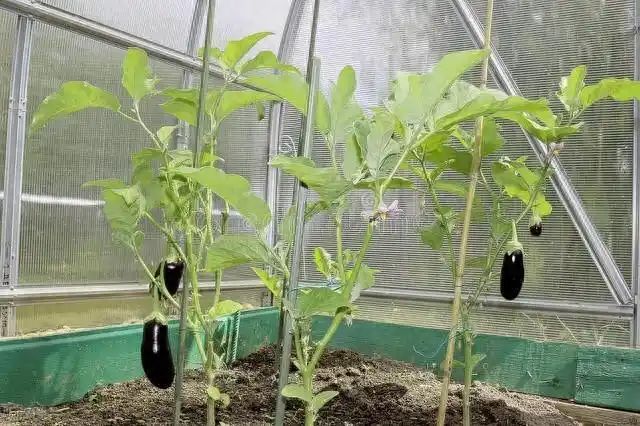
In recent years, the solar greenhouse vegetable industry has grown rapidly. The production, quality and cultivation techniques are closely linked to the early spring eggplant cultivation in the solar greenhouse. In order to achieve the goal of high-yielding production stability, it is important that the technical management of mid- and early-spring eggplant cultivation be carried out. The focus of the paper is on the technical aspects of high-impact eggplant cultivation in the early spring in the smart solar greenhouse。
1 species selection
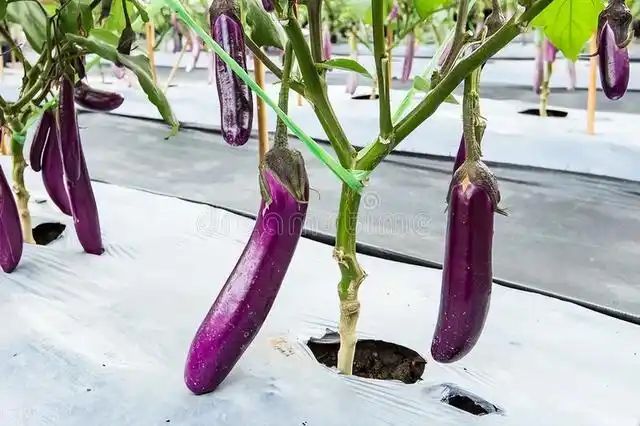
Varieties are the most basic determinants of eggplant quality and production, and it is therefore particularly important to make the choice of varieties before mid- and early-spring eggplant cultivation. When medium- and early-spring tomatoes are grown, their temperature is low and their light is weak, so preference is given to high-quality, high-quality products that are cold-resistant, medium- and early-cooked, disease-resistant, fast-growing, with few branches, small fruit and early flowering. To procure seeds from regular seed stations, seed quality is strictly closed, i. E. 95 per cent pure, 98 per cent pure, 85 per cent budding and 8 per cent water-bearing, and the selection of bad seeds is prohibited。
2 seed preparation
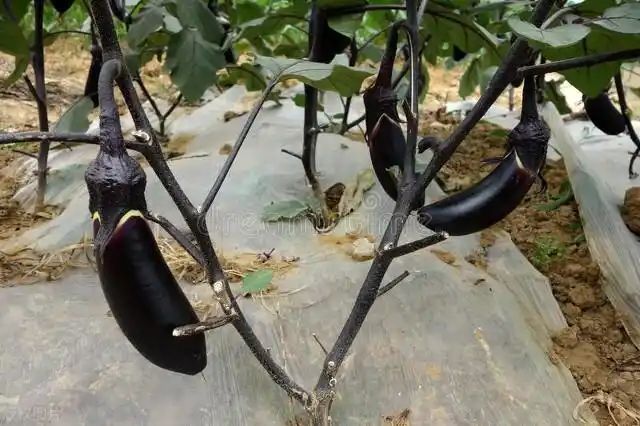
Preparations for eggplants are particularly critical before they are grown. First, the selection of nursery facilities, such as solar greenhouses, plastic sheds, etc., should be reasonable in the light of climatic conditions. At the same time, there should be fully equipped heating facilities, ventilation facilities, heating facilities, etc. Second, sufficient chassis should be prepared to recommend the selection of 50 holes, 72 holes, and disinfection. And, again, make sure you have a seedling base. The seedling matrix is mainly configured with grasswood ash, pearl rock and neptite, with a ratio of 3:1 and a ratio of 3:1 when the matrix is configured to be fed into the lacquer and added to the appropriate slow decomposition。
Finally, seeding is done to prepare warm water at an appropriate temperature of 55°c, so that eggplant seeds are impregnated for about 20 minutes, and water temperatures are reduced to 30°c and continue soak for 10 hours, so that the seeds absorb sufficient moisture, and then wash them out and wrap them with disinfected wet gauze, and place them in a static temperature of 27°c for a period of one week until two thirds of the seeds are exposed。
3 seedlings
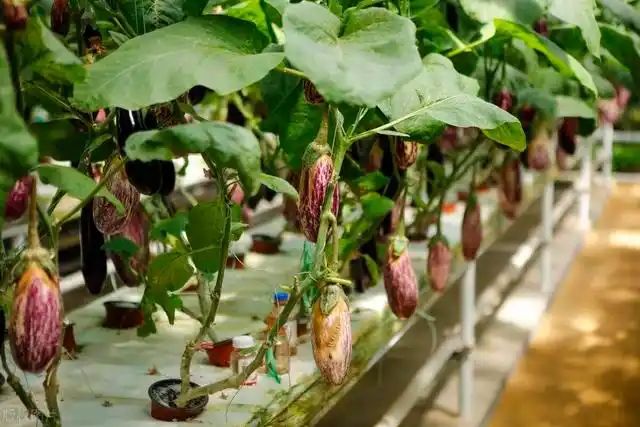
First of all, we have to rationalize the duration. Under normal conditions, early spring eggplant planting in the solar greenhouses took place in mid-november. Second, control the sowing quality. During the planting of early spring eggplants in solar greenhouses, seeds ranging from 1 to 2 seedlets at depths of 1 cm are distributed at a timely time to cover the pelicans, which can provide a good humid irradiation and promote seed gerontization. Thirdly, strengthen seedling management。
In order to cultivate seedlings, awareness of seedling management should be increased, with a focus on temperature control and faster seeding. The temperature of the day and the temperature of the night before the seeding is controlled at 28°c and 18°c respectively, and the temperature of the day and the temperature of the night after the seeding is controlled at 25°c and 16°c, respectively. At the same time, water and fertilizing should be done during the seeding season, with a recommendation for a single application of 0. 3 per cent potassium phosphate and urea mixture on the side of the leaf, to increase the resilience and disease resistance of the seedlings and to promote the growth of the seedlings. Finally, one seedling will be left in each den. It is important to define the criteria for sapling, i. E. Eight leaves, 18 cm tall, thick and green leaves, well-developed roots, no mechanical damage and pests。
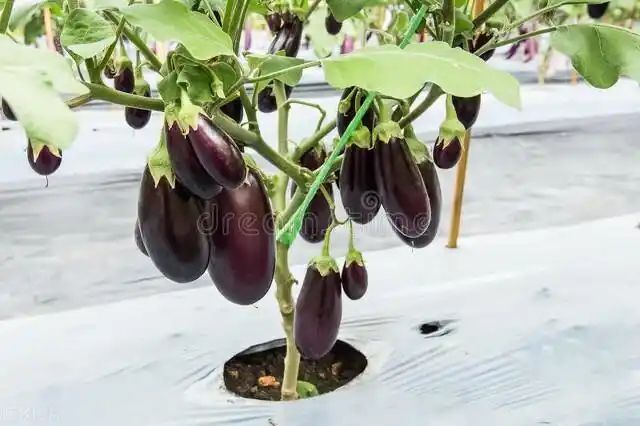
4 ready
In the context of rural revitalization, trends and practices in digital agriculture are important for improving the efficiency of agricultural production, reducing production costs and improving the quality of agricultural products. This paper analyses trends and practical approaches to digital agricultural development in the context of the rural revitalization of smart technologies and analyses their application in digital agriculture through practical case studies. In the future, as science and technology continue to advance, digital agricultural development will achieve even more brilliant results that will provide strong support for the implementation of rural revitalization strategies。
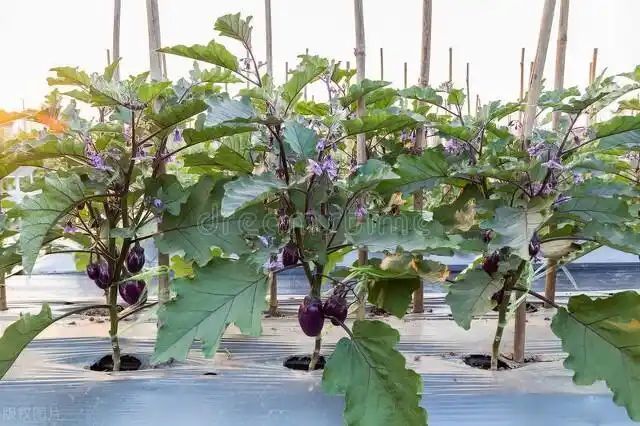
5 planting jobs
The main points of the planting time for the early spring eggplant in the solar greenhouse are as follows: first, control of the timing of planting and, normally, during january to february, the conduct of the transplantation operation, depending on temperature factors, etc., are to be regulated flexibly, and it is more appropriate to plant it at or above 15°c at soil temperature stabilization。
Second, plant density is reasonably controlled on the basis of the characteristics of the species, with a range of 33 cm x 55 cm for the pre-maturized varieties, which is approximately 3800 per 667 m2. The range of medium- and early-literate varieties is 45 cm x 75 cm, with around 2,700 plants per 667 m2。
Finally, proper planting methods should be used to open holes in the lids before planting, depending on the length of the plant, and then to place healthy seedlings in the hole and to water them in the ground. When the water wakes up, the poaching and evaporation of the wind will be prevented, and the planting will be improved。
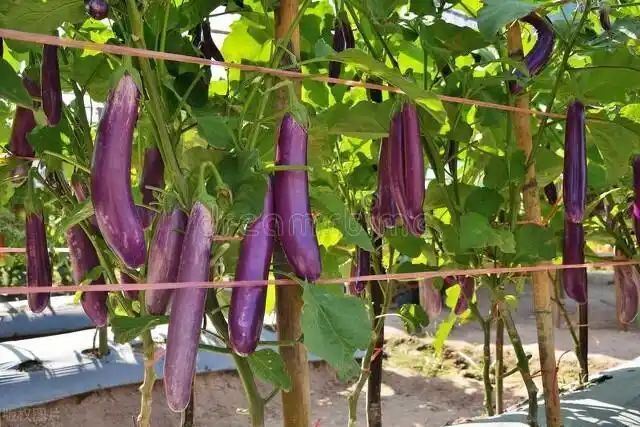
Post-plant management
6. 1 water management
Following the planting of eggplants, proper water management is important. Science-based hydro-management programmes are designed to meet the water needs of the eggplant at different stages of its growth according to its water requirements. The main points of management of eggplant moisture in the solar greenhouses are as follows: water for the seedlings when planted; water for every week in the autumn; and water for every 2-3 weeks in the winter. Water is distributed mainly by drip irrigation, which prohibits flooding and reduces water waste. It is too wet to increase the likelihood of disease and pests。
6. 2 fertilizer management
Fertilizers are essential for the growth of eggplants and are also key to achieving high yields, so that early spring eggplant planting in the solar greenhouse should be followed up in a timely manner by developing a fertilizer-tracking programme based on a pattern of eggplant fertilization. Under normal conditions, the urea is followed up three weeks after the eggplant has been planted, and it is recommended that the first urea is followed every 667 m2 with 18 kg urea, and every 2 weeks with a focus on fertilizing during the fertilisation period, and 20 kg urea per 667 m2 with a combination of water, increasing the number of eggplant results and promoting the high production of eggplants。
6. 3 temperature light
The temperature and light are two important management elements after the early spring eggplant is planted in the solar greenhouse. Temperature and light are to be adjusted flexibly according to the period during which the eggplant grows. It is recommended that the temperature be kept at 28°c during the day and at 18°c at night. The flowering result period recommends a temperature of 26°c during the day and 16°c at night. At the same time, clean-up of the solar greenhouse film is needed to maintain good light light, increase light time, promote light cooperation and increase eggplant production。
6. 4 pest management
In the case of early spring eggplant cultivation in solar greenhouses, pests and pests have a significant impact on yields and quality, making it very important to do good in pest control. At present, common pests in the early spring eggplant cultivation in the sunshine greenhouse in hantown include, inter alia, sudden fallout disease, stand dead disease, powdery disease, ashilosis, root corruption, aphids, red spiders, tectonic flies, etc. The control should be based on a rational selection of pesticides, with priority given to the wide spectrum, green, low-toxic, efficient and low-residual pesticides, and strictly in accordance with instructions to ensure the correct dose of medicines, reduce pesticide residues and improve the quality of eggplants while ensuring the efficacy of eggplant pest control。
For example, in case of sudden onset diseases, it is recommended that 30 per cent of the fungus water agent be replaced by 1,000 times the fluid, 58 per cent by 600 times the humid powder methadone, and in case of adhesive disease it is recommended that 70 per cent of the methiosulphate humid powder be used alternately by 800 times the liquid spray agent and 5 per cent by 600 times the argon water agent
Plasma disease, with a recommended replacement of 50 per cent of the hemophyllium suspension agent 1,000 times the fluid spray, 50 per cent of the vinyl fungus nucleotide 1,500 times the liquid spray spray spray; and root disease, with a recommended replacement of more than 10 per cent of the anticinogen humid powder 1,000 times the fluid spray control of 50 per cent of the mercuric humid powder
For aphids, aphids are proposed to be used alternately with 10 per cent of the lice net wettable powder 4,500 times; 10 per cent of the aridine humid powder 4,500 times the liquid spray control; red spiders with 20 per cent of the acetal cream 2,000 times the fluid control with 75 per cent of the khrometa cream 1,500 times the liquid spray control; and peck flies with 80 per cent of the fly sulfide suspension with 4. 5 per cent of the high-efficiency chlorocyancyanic microlactant 2,500 times the liquid spray control. The above-mentioned drugs are used one time at each one-week interval and two to three times continuously。
6. 5 timely collection
When the early spring eggplant matures in the solar greenhouse, harvesting operations should be carried out in a timely manner to ensure the production and quality of the eggplant. The tomatoes should be harvested early, and harvests are most appropriate when the cycling strips that link the fruit to the fruit are gradually diluted. Generally, one harvest is taken every three days. (c) the sale of a graded eggplant package after the harvest has improved economic efficiency。

7 concluding remarks
In the case of early spring eggplant cultivation in solar greenhouse vegetables, awareness should be raised of the management of planting techniques, ensuring the standardization and rationalization of medium- and early spring eggplant cultivation techniques, mastering of the main elements of high-efficiency planting techniques for early spring eggplant cultivation in solar greenhouses, early and early spring eggplant harvest time, timely supply of markets, optimal economic benefits, boosting farmers from poverty and boosting rural life. Sannon









