


Sugar oranges are our common citrus species, which are delicious, and contain a wealth of nutrients such as vitamin c, calcium, glucose and fruit sugar. They are of high nutritional value and are favoured by many consumers and fruit farmers. The demand for sandy oranges is high on the market, and the country has seen a high number of farmers growing sandy oranges in recent years, and the following is an introduction to the technique and management of sandy oranges。
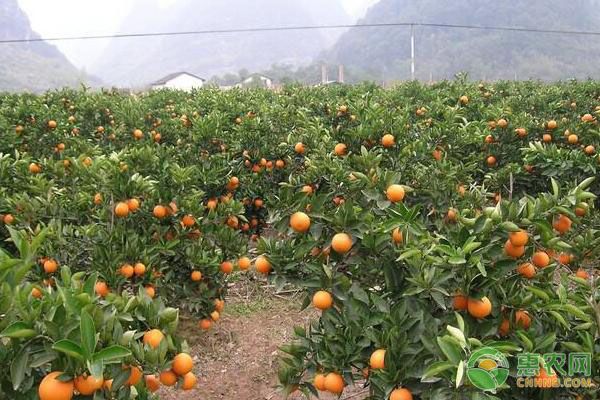
1. Plantation
A sandy orange plantation is preferred for a slope, such as a south-east slope. Parks should be planned with the necessary roads, drainage, water storage and ancillary construction facilities. When planning specifically, as far as possible, it should be centralized and built in good transport and water facilities. In general, plant specifications are maintained at a range of 2. 5 m x 3 m and 80-90 units are guaranteed 666 m2。
2. Plantation
In the planting of seedlings, the root is established to ensure that the root is naturally spread and compacted and that, after planting, the root water is taken to the top, weeds are covered and the next day is kept, and then, depending on weather conditions, the water cycle is determined again, typically 10 d of the water is maintained once. Taking into account the fact that carcasses form part of the regular green fruit tree, which has a high number of stings and a high growth rate, water fertilizers are applied two or three times during the lifetime of the tree, ensuring that between 0. 2 and 0. 4 kg of urea are added to every 50 kg of water fertilizer, promoting proper and robust sprouting and ensuring adequate nutrient supplies。
3. Promotional technology
(1) controlling the fracturing of flowers
In particular, no quick-effect fertilizer can be applied during the implementation of the promotion technology between winter and early spring. Consideration could be given to cutting the main branches in mid-december, cutting the cortex without harming the wood, and taking place at a distance above 20 cm above the ground level. Drug-driven flowers, such as multi-acting accelerants with 400 times the fluid sprayed in the middle of the afternoon, are then sprayed with 50 kg of water every 15 d to ensure control of the winter bells and to promote benign differentiation of the buds。
(2) the fruit of the promotion
50 mg/l 920 solution is sprayed for fruit trees every 15ds before the second physiological fallout begins. Reduce the biological fallout of fruit trees。
(3) smuggling fruit
It is necessary to remove, manually, too many nutrients and fruitless branches and to keep small amounts of them in order to minimize their nutrient consumption and prevent the occurrence of fallout. Consideration could be given to conducting a summer run in early july, which would help protect the fruits from burns and at the same time give birth to a robust autumn。
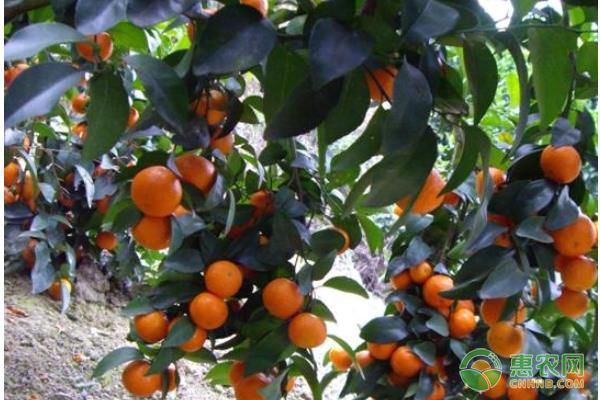
4. Prevention and control of pests and diseases
There are many major pests that are responsible for the disease, such as leaf moths, shellworms and mites. The solution to these pests is to avoid, to the extent possible, a single peak period for the insect, which should be applied three times in a series of sprays (one per 7d) at the time of the birth of about 1 cm. For example, in the case of mites pests, prevention can be carried out using a 75% concentration of khrometas with 2,500 times the fluid or a 25% concentration of 1000 times the triazine。
For the prevention and treatment of diseases such as carcasses, anthrax and yellow dragon disease, bordeaux, throphates, densen manganese zinc, etc. Are used, and 600 times the tobutzim or 800 times the densen manganese zinc are applied each time they are cut. If yellow dragon disease is found in fruit trees, the whole branch must be removed immediately. In general, the use of salsa and orange fruit trees must be strictly combined with resistance in order to adapt the drug varieties in a timely manner. Insecticides can generally be used in conjunction with microbicides in pursuit of fattening, while in the distribution of medicines, care must be taken to prevent the use of drugs and to ensure their efficacy。
5. Orthopaedic cut
Integrative trims for sandy orange fruit trees are timely, with emphasis on the cultivation of pre-maturity crowns, ensuring that branches are properly distributed and that they are compact. For some of them, it is necessary to be brief, as a means of promoting a fresh start. If there are insect branches or branches which are too dense, they shall be cut off first, so as to ensure their even distribution. For 3-year-olds or more, the tree is to be cut off from its hidden twigs, remodel the tree and increase the area of the result of the sandy oranges。
6. Reasonable collection
Finally, the proper and timely harvesting of sandy oranges, which is generally done in batches, i. E. In november-december each year, when the sandy oranges are fully mature, their barks appear orange red, at which point the best standards of fruit outcomes are met, with the highest economic and nutritional value of the commodity and the option of harvesting。
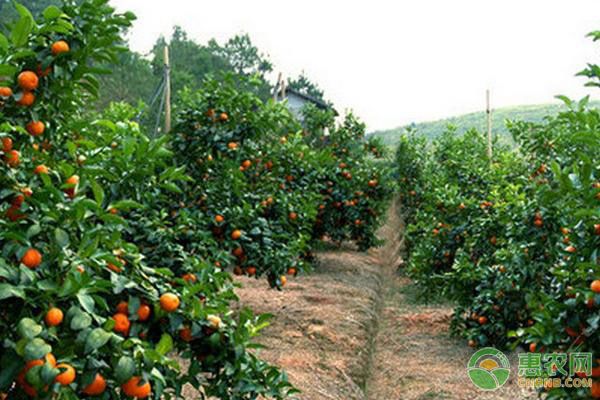
The above is the main point of the technique and management of sugar oranges, which are usually grown most frequently in the three seasons of spring, autumn and winter, before planting. After planting, management should be strengthened, pests and diseases should be combated in a timely manner, with a certain increase in the length of the citrus season to achieve high productivity。
You may be interested in and welcome the content of the following recommendations of the network, as well as excellent graphics and popular comments on the techniques and management of sugar orange growing。









