


Sugar oranges are a fruit that many people like to eat and many growers. Most importantly, it not only tastes good, but is also popular with a large number of overseas tourists, and the prospects for planting can be considered quite good. Here's a look at the techniques used to grow sandy oranges, with a mini-editor from the weinon network。
I. Biocharacterization
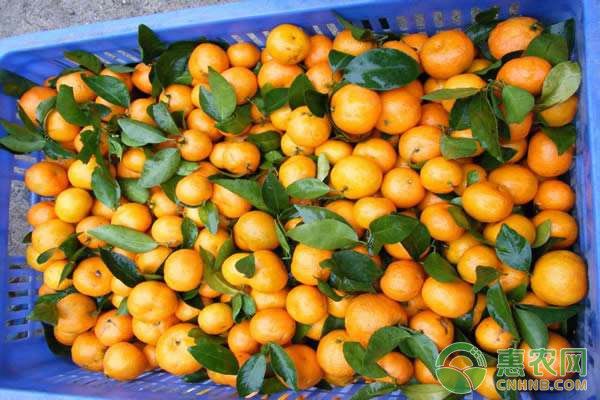
The sweet orange, also known as the october orange, is one of the local citrus main plant varieties in the area of guangning and the fourth. It's famous for its sweet taste like sugar. The guangxi citrus region is concentrated in guangxi county. Sugar oranges contain 11% soluble solids and 10. 55g full sugar and 0. 35g fruit acid per 100 ml. Jell-o, juicy, slag, sweet, sweet, and groany. It contains a wealth of vcs, calcium, fibres, small amounts of protein, fat and glucose, sugar, sugar, apple acid, acrylic acid, lemon acid and carrots, sulphate, nuclone, nickric acid, anti-fascic acid, as well as elements essential to humans such as calcium, phosphorus, magnesium and sodium. It is glycated, typhoid, typhoid, typhoid, typhoid, spleen, spleen, etc., which treats diets with low consumption, abdominality, digestion, etc., and helps digestion, quenching thirst, dyste and sodium to prevent constipation. Sugar oranges are delicious, easy to eat, easy to carry, popular among many consumers, and are widely sold both within and outside the sea。
Climate conditions
Selenose oranges require an average annual temperature of 18-21°c, with absolute temperatures of not less than 5°c. The root of sand sugar oranges is shallow, neither drought-resistant nor water-scaling, and is suitable for annual rainfall of 1200-2000 mm. Guangxi is located at 20° 54 ' 26° 20 ' n, with average annual temperature of 18. 8 - 22. 6° c from north (cuillin) to south (north sea), effective temperature of 5953 - 8158° c at 10° c in january, average temperature of 8 - 14. 4° c in january, average temperature of 27. 6 - 27. 9° c in july, minimum extreme temperature of 4. 7 - 1. 3° c in years, extreme temperature of 4. 7 - 2. 0° c in subtropical monsoon climate, providing adequate temperature, light and rainfall conditions for the planting of sand and sugar oranges。
Land selection
The sandy or bordery soil, which is deep in the earth, is estranged, is well warmed by drainage, and is rich in organic matter, neutral or acidic (ph 6. 5-7. 5). There is a need for easy transportation, adequate water sources, irrigation and drainage, deep and fertile soil, drylands, riverside alluvial lands, and subtidal lands。
Iv. Siding
Quarantine pests such as ulcer-free ulcer disease and yellow dragon disease are required to be well-established, with ears and aluminum connections。
Cultivation
In fertile water fields and drylands, the planting density is 3000-4,500 plants/hm2, with a range of 2. 0 m x 1. 5 m or 2. 0 m x 1. 0 m, using the method of dwarfation. Mountain cultivation density is 1,500/hm2, with a range of 3 m x 2 m. Cultivated in the spring in february-march, sandy oranges were developed on fertile, deep-soiled water fields and river-side alluvial soil, with shallow pits being dug and water fields organized according to their lines. Deep pits 1 m squared are dug in poor-quality drylands and slopes, with enough base fertilizer, with phosphorous fertilizer, lime or pond mud, pig and cow chicken dung 1. 5, 2. 5, 50. 0, 15. 0-25. 0 kg per pit. Cultivated seedling roots cannot be exposed directly to uncorrupted organic fertilizers to avoid injury to roots and poor growth. Prior to planting, parts of the tree should be cut in order to reduce the evaporation of the water, to cut the main roots, to keep the necessary roots as much as possible, to root them with fresh yellow soil, and to be able to do so, it is best to add a small amount of root powder and carnival dividends to promote growth. In planting, a shallow pit is dug, the roots of which are naturally stretched and then returned to the soil, the soil is crushed and buried at a height above 20 cm above the ground, preventing the water from saturated under the soil. After planting, straw or other weeds are covered on the tree plate and the root water is taken off. In order to keep the soil moist in the vicinity of the roots, a one-month period is set for proper water shower。
Vi. Premium management
1. Fertilizer water management
After 15d seedlings were planted, some plants took root。
2. Integrative trim
Take natural pleasure. After planting, short at 40cm, three branches in different directions were chosen to be the main branch and the main branch. The main branch, which is 45° in length, is too vertical, and the main branch, which is well-established, retains 30 cm short, then selects three sub-powders on the main branch (in different directions), which can later be used to extend the tree bones to the branches. Cut off the branches of the branches of the main branch and the branches of the deputy branch and keep the branches, as appropriate, as auxiliary branches. Sugar oranges usually leave three to four bars each time, and the surplus is completely removed. In order to make the summer and autumn stubbles smooth, it is necessary to wipe out the buds when the garden has only a sprawl of small branches, and to stimulate the sprouting of side buds, 80 per cent of the sprouted branches of the garden, and then to lay them together in order to combat pests and diseases。
Vii. Maintenance of corrective resources
January-january management
Predation period: bouquet splitting period。
Major technical measure: 1 continues to produce fruit. The fruit is harvested in a timely manner and the nutrient accumulation of trees is enhanced in order to restore the tree position. 2. Controlling fattening water, producing water to foliages and, in the event of prolonged drought, filling water. The winter clean-up was to be fully completed by late january, and soil preparation and drainage systems were to be repaired. The four-year-old trees and the old and the weak, as a result, are fertilizing and growing. In the five disease-prone orchards, 0. 8 per cent - 1. 0 per cent of bordeaux should be sprayed in mid-january. Before the onset of the six springs, the warm weather was used to plant the new park, but for cold and water-snorting purposes。
February (spring to rain) management
Precautions: spring hair, bud period。
Main technical measures: early in december, the result was tree-based fattening, pre- and post-child tree fattening. In the event of a spring drought, water should be poured to prevent the growth of spring springs and their sequences. 2 strengthening external fertilization. The result is that young children are young and young; if the number of young trees appears to be low, they are able to germinate one to two times, in accordance with the principle of “no resting”, in order to contribute to their well-being. 4 started flowering, i. E. Oversorption of vagrancy. Erase an unreasonable geront in the trunk of a young tree while at the same time taking care of the long spring. 5 new rolls for scabies, anthrax, red spiders, aphids, etc。
March-march management (sharp to spring)
• precautions: spring springs, fresh flowers to flower。
Major technical measures: the result is the application of organic fertilizers and the addition of magnesium sulphate 0. 15-0. 25 kg and zinc sulphate 0. 15-0. 25 kg for each plant, with emphasis on organically active nutrition. Young trees fatten. 2 continue flowering. On the basis of laxity, too many buds are removed from the tree line. As a result, too many springs were lost, with 1-3 springs kept at each base, while the long springs were taken care of and 15-20 cm retained. 4 artificial pollination or orchard peaks; when the rain is heavy, the flowers are swung in time to prevent sprouts and dew. A flower-less fertilizing tree carries out cycling or circumcised and sprayed 2,4-d, anti-depressants, etc. At a rate of one third. For six long periods of drought and flooding, care was taken to exclude orchards. 7. Prevention of anthrax, scabies, ulcer and red spiders, etc. Eight orchards sow green fats, such as sweet weeds such as fragrances。
April-april management
Predation period: after flowering period, small fruit begins to develop and the first physiological fallout period begins。
Main technical measures: accurately apply steady fruit and fertilizer, depending on the number of adhesive fruit and the direction of the tree, and appropriate drugs are applied outside the root of aberrant fruit. Circumcision is possible in the early years. 3 in a timely manner, insects, deformations, etc. The four-year-old trees and the young and young age result in the elimination of sporadic early summers. Emphasis has been placed on strengthening the prevention and treatment of orange thunder mosquitoes, red spiders, rust spiders, elephants and scabies, and ulcer diseases. When the six springs are ripe, the new gardens are replanted and the spares are replaced. Seven young trees. Weak trees. Water is drained when rain is too heavy。
May-may management (rysummer to minami)
Precautions: early summer hair, second physiological fallout, small fruit development。
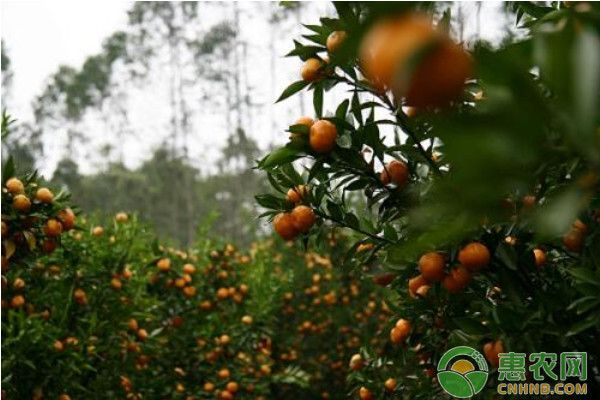
Major technical measures: once the spring is turned green, once 2,4-d nuts are sprayed, and once again after 7-10d. As a result, summerfalls were wiped out to prevent the fall. As a result, 3-year-old trees were fertilized before the foot was applied, and the summer was unified at the end of the month or the beginning of next month. The four cyclopedias were pacified in due course and essentially ended with the berries. Prevention of rust spiders, shellworms, elephants, orange thunder mosquitoes, oxen and anthrax, ulcer disease, etc. 6 new gardening and spare plant replacement. 7. Pay attention to the exclusion of water from orchards。
June-june (man to summer) management
Precautions: early summer, growing fruit。
Key technical measures: as a result, trees were applied to fatten the autumn and short-cut summer cut was completed between the end of june and early july. (b) appropriate increase in water fertilization with multiple outcomes. Three-year-old trees should be integrated by the first half of this month and applied to fattening. 4. Prevention of rust spiders, elephants, submersible moths, aphids, oxen, orange rheumatism and anthrax, ulcer, etc. 5 polio-spray 450-600 kg/hm2 and pine soil cover。
July (summer to summer) management
Predation period: a period of fruit expansion and a long summer season。
Key technical measures: one first result, one in the summer in early july, one in the second. Autumn fattening shall be repeated for those who do not release summer; trees that do not release after the fertilization period shall continue to be controlled. As a result, the tree completes its summer cut-downs by early july. Four-year-old trees applied sprouts. 5 dry cover wetting and cooling. Attention is paid to pest control, such as subleasing moths, rusty spiders, ulcer disease, aphids and anthrax, orange thunder mosquitoes, etc. Seven mountain orchard larvae trees undergo deep soil conversion after the summer season, with tan 3-5d。
August
Predation period: growing fruit, long-lived autumn。
Main technical measures: one summer break to turn green; one summer cut without summer break, and one mid-time fall. Note that orchards are wet and dry. Protection of new sites and attention to the prevention and treatment of diseases and pests of new sites and young fruits. As a result, the trees were exposed to organic fertilisation after the autumn season and covered with soil and drought. As a result, trees are growing and fattening and extra-root fertilization is strengthened. The 6-year-old tree is fattening before its feet, and it is better to release it before the summer for the results of the next year。
September-september management
Surgical period: autumn growth, summer seasons are ripe, and fruits swell。
Main technical measures: 1 fertilizing fruit fertilizer 2 against new pests and pests, combined with external fatting. The trees that set out the summer trees began to play in early september. Water management is strengthened to prevent the effects of drought on autumn growth and fruit expansion. The five-year-old tree is applied with great fertilization to prevent winter。
October (cool to frostfall) management
Ceiling period: the fruit period continues to swell。
Main technical measures: autumn strikes are well developed. 2 too many old and weak trees, or heavy orchards due to weather, with attention to water. 3 pest control, with special attention to rust spiders. Autumn planting of the new orchard. Five are in need of deep soil conversion in early orchards。
November-november management
Ceiling period: grain maturity period, pre-sprincipation period。
Main technical measures: 1 whole gardening, with appropriate roots. The increase in fertilizers3 makes appropriate water and inhibits the onset of winter. The spraying of the result garden shall cease one month before the harvest。
December (snow to winter) management
Predation period: bouquet splitting period。
Main technical measures: 1 yielding tree in stages. 2 the green tree is entangled with flowers, which are suitable for spraying. (c) the expansion of the caves and the conversion of the soil in conjunction with the tan. White trunks and main branches are painted with lime. 5. The timely removal of leaves, dead branches and centralized destruction of thiomers, pine resins or other chemical pesticides to eliminate winter pests, but low-temperature dry weather and weak trees require concentrations of use. 6 cuts the late autumns or winters that are not green. 7 work with young trees to combat the cold。
These are the techniques that the mini-authors of the hewlett network have brought to guangxi for high-yield sugar orange cultivation









