


High potato production techniques
I. Selection of varieties
The choice of potato varieties should give priority to destoxing potatoes, taking into account the actual production of potatoes in our county. The main choice is to promote the application of the potato series (e. G., potatoes 3, 5, 6, 7 and 8), the potato series (e. G., potatoes 1, 3, 5, 7, 7), mira, ydp 9 and detoxin rice. The hilly dam areas can choose medium- and long-curvy varieties such as the lachuan, the chinese potato series, the oxyx series and the faurita。
Ii. Potato processing
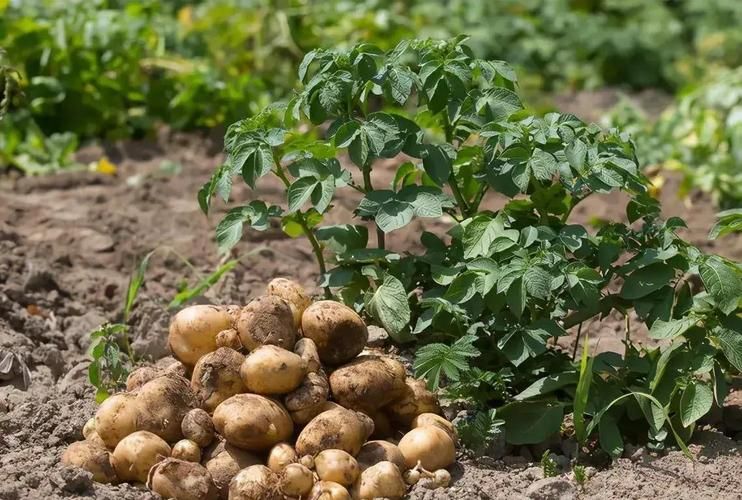
Before seeding, it is important to ensure that the rest of the potato season is over, and it is preferable to begin to sprout so that the sprouts can occur as early as possible after planting and reach a high yield. Please remove sick and rotten potatoes from the seed. In addition to the above-mentioned detoxification route, healthy varieties of potatoes can be effectively achieved by increasing their purity and strength (to the point of worst) every year at higher altitudes. If the seed is larger (over 40 g) or unemerged, it can be fast-tracked, so that it can be used in a cost-effective manner, and it can break the hibernation so that it can grow early and increase the number of principals (especially for the autumn potatoes), making full use of the limited season to achieve high yields. The potato slices weigh about 25 grams each, each with a budding eye. Cuts can be disinfected with 0. 2% potassium permanganate solution or 75% alcohol. Sprays such as ginrioxin and manganese zinc can significantly increase the rate and strength of seedlings. Scratches dry and heal can be further incubated in dark, damp conditions; in the cold and damp, sprout beds are sprouted with five centimetres of grass or sand laid in the bed, followed by sheaths of potatoes (blocks), not exceeding five centimetres of thickness, and then covered with five to seven centimetres of grass or sand, keeping the bed humid and bed temperature 16-20°c. When the sprouts are 0. 5-1 cm long, the sprouts are spread and seedlings are seeded 2-3 days later。
Iii. Transports
In the winter and spring, potatoes should be grown, with a significantly higher production of potatoes than non-feeds, the main effects of which are the promotion of roots, the rapid expansion of potatoes, good and smooth potato formations, drainage and ventilation. The soil should be deep enough to reach 20-25 centimetres, with dredges, flattened, made, 80 centimetres away, 12-15 centimetres deep in the ditch, and slightly flattened tops. The gutter is 8-10 centimetres deep, 25-30 centimetres wide, and is fertilized in the gutter, while the soil is slightly suppressed. Autumn potato cultivation should be dug immediately after the rice harvest. The trenches are 30 centimetres wide and 30 centimetres deep; the trenches are 30 centimetres wide, the trenches 15 centimetres deep and the cars 170 centimetres clean. The excavated soil shall not be piled up along a ditch, and the face shall be slightly bowed and water shall be avoided。
Iv. Sowning period and planting density
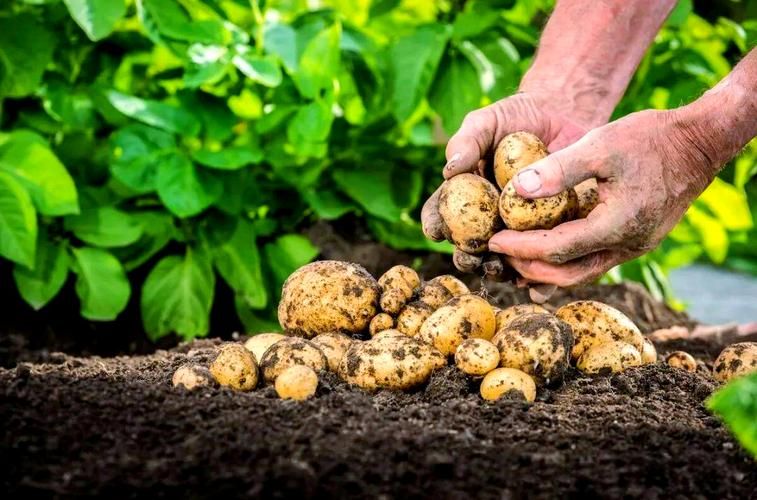
The suitable planting period for winter and spring potatoes is december of the year to february, with membranes covering 15 days before planting. In the mountains, more than 800 metres of seeds were planted from february to april. They are sowed in ditches or caves, with a distance of about 30 centimetres per crop, with a distance of about 30 centimetres, and are arranged in phases, with more than 5,000 hectares per acre, with a crop yield of 130-200 kg per acre, covering 8-10 centimetres of soil, for example, if the membrane leaves and leaves the plant with three to four leafs, and if the membrane is exposed in a timely fashion, the mouth of the membrane is clogged in its roots. Autumn potatoes are suitable for the period between mid-august and early september of the year. Autumn potato flat, 5 rows above the box, 35 centimetres away, 22 centimetres apart and 5 centimetres thick in horizontal grass. The seeding of potatoes is placed on the ground and the buds are close to the ground, approximately 7,000 units per acre, with an appropriate increase in the amount of potatoes grown. It is then evenly covered with 8 to 10 centimetres of thick straw, which is light and flat, and which should be covered with an entire surface of straw. They can be combined with oilseeds (no-till, effective weed control) and maize。
V. Fertilizer water management
The application of balanced fertilization is based on the principles of organic and inorganic combinations, base and pursuit. Organic fertilizers such as human and animal urine, which are not fermented and which do not meet the harmless targets, should not be used. Base fats: organic fattening should be applied in front of the ground, with sufficient curing weights of over 2,000 kg per acre (or 300 kg commercial fat), urea of 10 kg, calcium perphosphate of 20 kg and potassium sulphate of 20 kg. In the case of under-fatation, the leaves should be followed up 1-2 times with 0. 5 per cent of potassium phosphate, or 10-15 kg compound fertilizer per acre, depending on the growth of the plant. In the winter and spring, potatoes should be pre-empted with temperature and humid soil. If the soil is dry, water should be duly watered. The spring rains require timely drainage。
Vi. Pest management
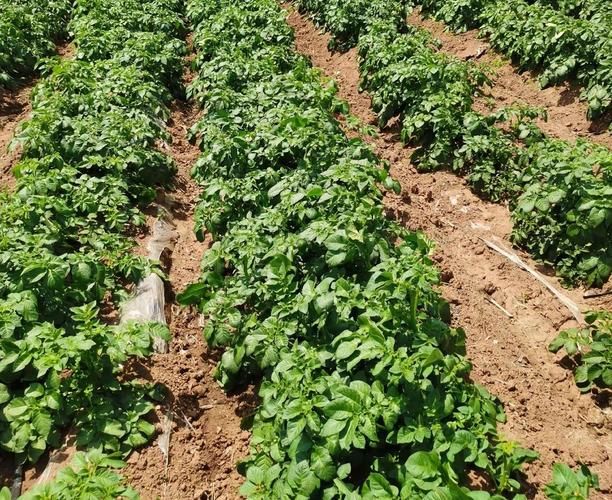
Potatoes should primarily combat diseases such as night disease, deadness, scabies, pollinosis and pests such as aphids and ladybugs. Comprehensive measures should be taken to combat the disease, including the choice of disease-resistant varieties, agronomic measures, poor practices and early harvests. Night disease should be combated early (pre-reception or about 45 days after seeding), especially during the wet rainy season. 72% g of lumber powder, ginres and zinc anque manganese, 1 in 7-10 days and 2-3 in succession. Potato mackerel can be treated with bromocythrin cream of 2. 5% or khromite cream of 73%. Aphids can use 10% aphids with wettable powder or 2. 5% biphenyl pyrethrin cream. Scabies and scabies can be combated through resistance to choice of disease and cultivation of neutral or acidic soil。
Harvest and storage
Potato seeded to harvest for 100-150 days, leaves were yellow, leaves were yellow and blades of the base had fallen off, and the runners had dried up, and they could be harvested. The harvest must take place in clear weather, cool and open water. The application of chemical agents was stopped seven days before the harvest. The harvest should be followed by a two- to three-day shower in the shade to prevent tan and rain. Use of dispersing light (avoid direct or completely dark) storage the collection of potatoes (especially the seeding of potatoes) has been widely proven to be an effective measure for the control of budding. As a result of the current lack of cold storage facilities in large rural areas, ventilated ventilated storage is an effective method。









