


On the internet, there is a hot tide of balconies growing fruit-tree plantations, many of which are tanned out of their well-reserved fruit-tree plantations, and the fruit with branches is obscuring. There are, however, many who encounter problems in summer conservation, such as yellowing of carefully conserved fruit-basin leaves and poor growth of fruit. It makes one wonder, is it true that summer fruit plant conservation is simply watering and fertilizing the sun? If not, it's too bad to miss the common sense of conservation
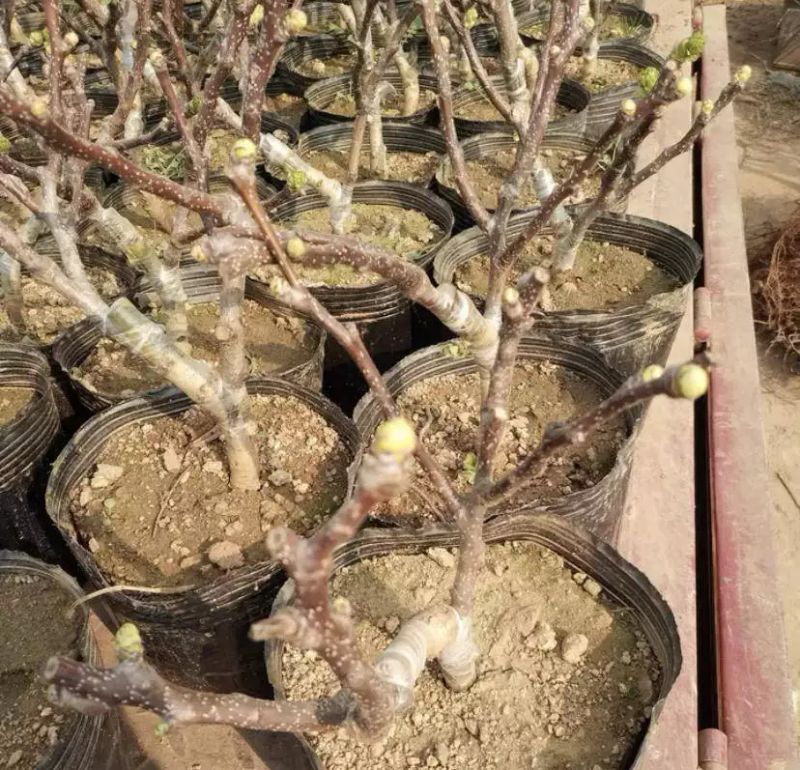
Many feel high summer temperatures and fast evaporation of fruit-tree basins, which is much more watered. But actually, that's not necessarily true. In the case of the pomegranate plant, although the summer must be watered once in the morning and every night, it also has to be sprayed with leaves. If too much water is poured into the soil, the roots of the fruit tree will be unbearable and easily rotting, which is a fatal blow to its growth. Note: water demand varies among fruit-tree plantations, but the overall principle is to keep soil wet rather than to accumulate water. So it's not as good as you have to squeeze the fruit basin in the summer. Can you just pour the fruit tree to grow? Obviously not。
When looking at the apple plant, it is necessary to keep the soil wet early and late at high summer temperatures, but equally in excess. If the water is so hot, the fruit trees may be “drinking” and there are growth problems. The right approach is to rationalize the amount of water being poured according to the actual growth of fruit trees, the size of the flower basin and the drainage of the soil. Otherwise, hard-earned fruit-tree plantations could be destroyed in this “too caring” watering。
In sum, the summer fruit basins are watered with a moderate amount, following the characteristics of different fruit trees, rather than blindly pouring more water。

It's a new 3000k legend
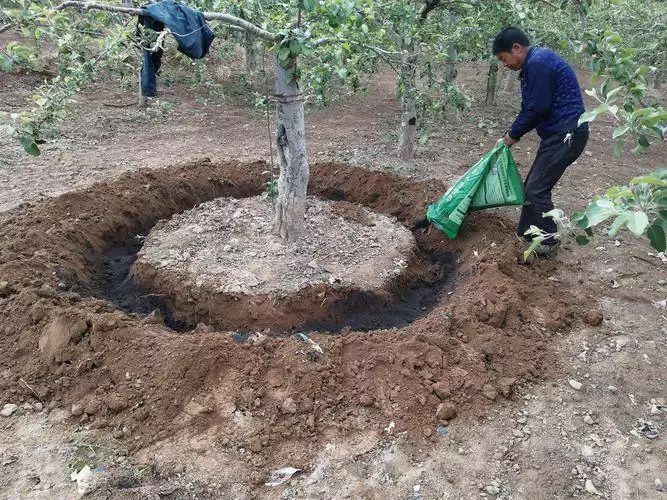
The first reaction to the reference to the fact that the fruit basin grows well in the summer is the extra fertilizer. Hey, that's a big mistake! Using pomegranate plants, for example, every 10 days of phosphate fattening in the fruit development stage, it would be a bad thing if it were to be fertilized regardless of timing or type. For example, during high summer temperatures, frequent application of nitrogen fertilizers could lead to fruit trees growing and long leaves not to bear fruit. And overweight can burn the roots of fruit trees。
The same is true for apple-basket plants, where the current poaching of potassium phosphate increases the sit-off rate, and the increased application of potassium fertilizer during periods of fruit expansion contributes to the accumulation of sugar, which are targeted fertilization practices. But if all kinds of fertilizer were to fall into the basin in the summer, it would be unbearable for the fruit-plant. The right position for the fruit basin to thrive in the summer is to select the right fertilizer for rational fertilization according to the different stages of growth of the fruit tree. Otherwise, the fruit tree would have produced more and better fruit, but it was counterproductive and counterproductive。
That's why you can't fatten a fruit-tree pot in the summer, but it's scientifically sound。
In the summer, the sun was strong, and many people thought that they would have to plant the fruit-tree pots all day in order not to get sunburned. But actually, this is a little too much. Like a pomegranate plant, it is necessary to have a midday shade of the sun at 30 to 40 per cent in the summer, and at other times it requires sufficient light for light cooperation. How can a fruit tree accumulate nutrients and grow better if it is covered up all day and the fruit tree is not able to do well in light? Is it possible for the fruit basin to thrive in darkness? Obviously not。
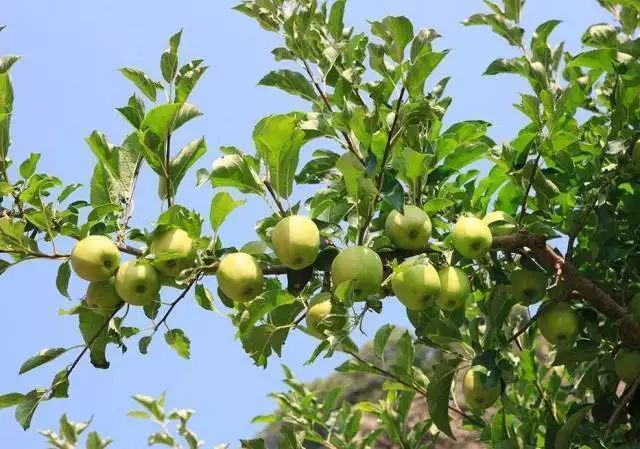
The same is true of apple pots, which cover the sun and the sun at noon in the summer, but it is also important that the sun shines. You can't just keep the fruit trees out of sight because you're afraid of the sun. Therefore, a “one-size-fits-all” approach cannot be achieved throughout the day. It needs to be adapted flexibly to the intensity of sunlight and the needs of fruit trees over time。
In short, the shades of the summer fruit basins need to be moderate and timely so that they can grow peacefully in the heat of the summer。

Legend 176, the classic is resurrected. Who will rule the battlefield
The conservation of summer fruit basins is a very technical task. It would be useful to share your experience or problems with the conservation of fruit-tree plantations in the summer in the comment area, so that our fruit-plant plants can flourish and produce fruitful fruits in the summer。
Finally, it is to be hoped that all of you will be able to use these conservation recipes to reap the full fruits of the harvest in your own balcony or in a small courtyard. After all, the fruit of the fruit basin, which was preserved by hand, must be particularly sweet。









