


I. Varieties and soil selection
Autumn bean-fruit cultivation should choose bean-fruit-resistant varieties that are more wet and more flower-resistant. Soils should choose sandy soil with a high topography, deep earth cover, good drainage, moderate alkalinity and no bean crop。
Ii. Scrolling in due course, rationally constructed
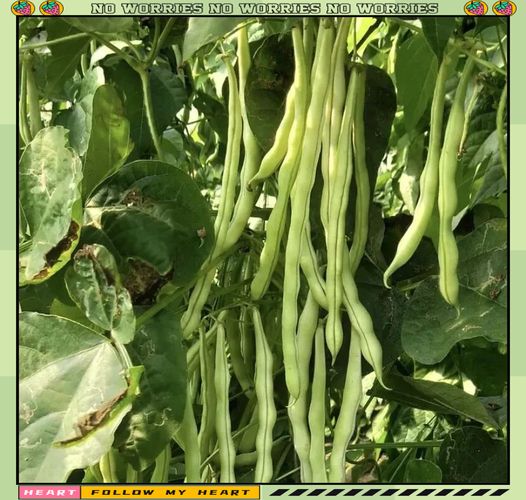
Autumn bean horns should be seeded in august-september. It is appropriate to sow it live. Acres are sown in a reasonable volume of 1. 25 to 1. 5 kg, 50 to 60 centimetres, 8 to 10 centimetres in length, and two seeds per den。
Iii. Field management
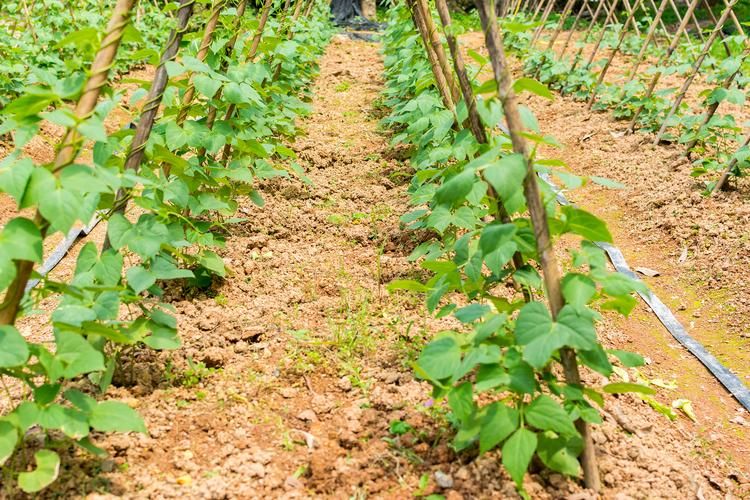
1 ? Plug-in chickens: usually when they grow between 30 and 40 centimetres. Roast chickens should take place in the cold of the sky, with about four bars per hedge。
2 – fertilizer management: bean horn fertilization should be supported mainly by base fats and by fat pursuit. It is applied to high-quality earth fertilizers from 1,500 to 2,000 kg and to 20 kg of compound fertilizers, and 30 to 40 kg of star fruit fertilizers on both sides of the guillotine during the initial bouquets. Fat catch in seedlings should be diluted, and as the plant grows, the application concentration increases, and each recovery should take place in the sky. During the harvest, the pursuit of fertilizers is supplemented, as appropriate, depending on the strength of the harvest。
Beans are wet throughout their whole life cycle, and overwet soil can easily lead to growing or rotten roots, especially after sowing, and seeds are too wet to germinate, leaving young seedlings with small tissues, less resistant and prone to growth or death. The seeding should therefore take place in the sky, before sowing, after pouring water in between the seeding lines, and within two to three days. Seeds start to come out with an appropriate amount of water to help the young grow and grow. More water is needed for flowering, especially for high water evaporation in the autumn, early and evening to regulate the small field climate。
Iv. Pest management
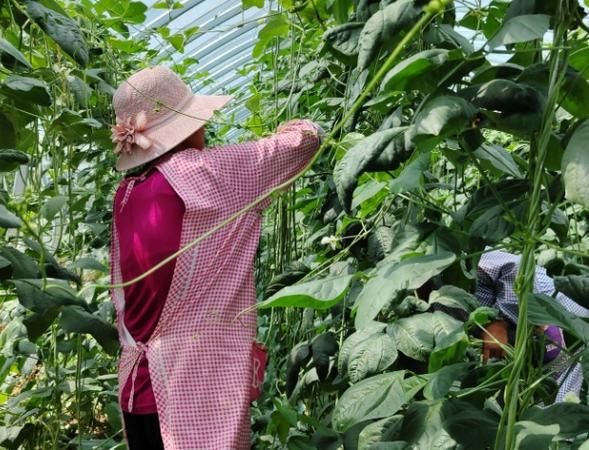
The soybeans suffer mainly from rot and rust. The root causes of the disease should be managed in rotation and in the field on the principle of “prevent, prevent and treat together”, while 50 per cent of the seeding is covered with 1 kg of polymice and 400-500 kg of corrosive soil, with 37 per cent of the fungus 200-300 times the fluid or digsone 1,000-1500 times the root, 3-5 days and 2-3 consecutive rounds. Rusty disease can be used with gel sulfur from 200 to 250 times the fluid or with 15 per cent of the stainable nitrous powder 150 to 200 grams of water from 75 to 80 kg of spray. Insect pests are mainly soybean and soybean, which can be sprayed two times more than 500 times the insecticidal agent or 50-75 grams of water per 60 kilograms of water from the present rey to the first flower period, once in seven to ten days, two to three times in a row。









