


Autumn tomatoes are the fruit of summer harvests, high temperatures and rainfall during the pre-birth period, the severity of diseases such as viral diseases, the gradual decline of temperatures in the post-natal period, and the need to protect against cold and to prevent freezing. So, autumn tomato cultivation technology, beware of tomato cultivation
Autumn tomato cultivation technology
1. Choice of varieties
The choice should be made for highly pathogenic, pre-mature, high-yielding and storage-resistant varieties. The most common types of production at present are tropic, frode, yalpin 1, garang, magenta and shenzhen. L401, zheng zheng zheng zheng, zhong zhong zhong, etc。
2. Cultivation periods and breeding methods
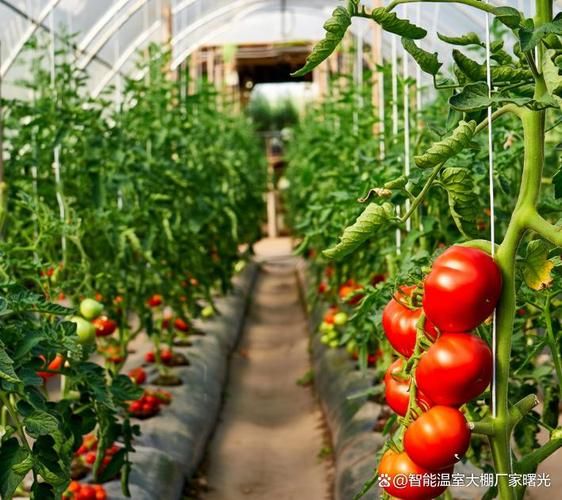
Autumn tomatoes are too early to sow, the nursery season is experiencing a high temperature rainy season, the incidence of viral diseases is high, the planting is too late, the reproductive period is insufficient, and the top is not hot. It would be appropriate to move forward for a period of approximately 5°c below local temperatures by about 110 days. Liaoninggilin was well-placed in mid-june. If only two saplings are left, the appropriate period can be delayed by 4 to 5 days。
Stomach cultivation is broadcast live and seedlings are also available. Live cultivation, root systems, unharmed, growing strong and high monolithic production, were relatively expensive in the pre-period pine fields and spray pest control. Small seedlings (mother-child seedlings) or large seedlings can be used to move acreage. Small seedlings are usually brought into the shed at the same time as the two leaves, 1518 days old, at which point the second-side roots of the plant are just stretching out, with small roots, few bruises and easy seedlings. Small seedlings must be watered in a timely manner, otherwise the soil is strewn and the “crawl” drops. The transfer of seedlings is now a widespread form of production. The seedlings are grown once in 2113 leafs, and grow to 5106 leafs, with a calendar age of about 25 days, cutting or removing the nutrients. The advantage of this approach is that the period of seedling can be managed centrally, with late planting, favouring rotation, but that later planting is more harmful. The use of live or small seedlings for the actual production of large stocked autumn tomatoes tends to be more beneficial to high yield stability than seedling migration. The sunscreen net is used to provide shade seedlings in order to mitigate the disease and nurture the seedlings。
3. Integrated planting
Cleans the fields before planting and fertilizes them all. The average acre is about 5,000 kg of fat for grown farmers. Autumn tomatoes may be grown with a tungsten or a rise. Cultivation density is generally higher than early planting in spring. Cultivation of limited-growth varieties or single-stocked fruit cultivation is about 5,000 plants per acre. Cultivation of an infinite variety, with a single plant of three saplings, with about 4,000 plants per acre. Setting*** selects the sun or the evening, and waters it in time for the seedlings。
4. Post-plant management
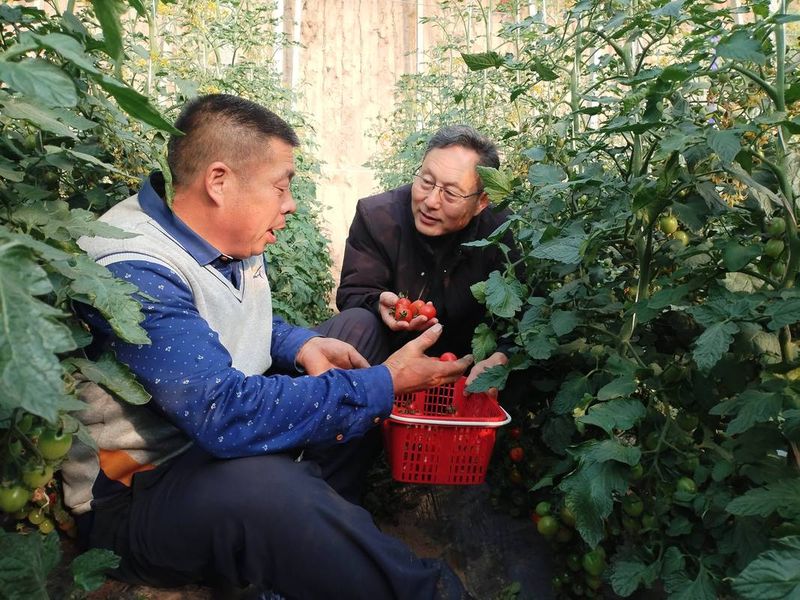
It'll be better to ventilate and cool. Quickly till pine soil. In the case of long planters, short and strong in a timely manner. The hormonal hormonals, such as bouquets or preservatives, are applied in a timely manner to the whole branch, to the graft, to the chicken, and generally to the whole branch, with a single branch, with two or three of the nuts left behind. After mid-september, external temperatures began to decline, keeping in mind the need to stay warm at night and to strengthen water fertilizer management after *** the fruit seat。
5. Pest management
The pre-autumn tomato virus is more serious, and later-stage diseases such as foetal disease, early disease, and late disease are more serious. The pests must be combated against aphids, white ticks and cotton bellies。
Care to grow tomatoes in the shed
Improper cultivation is killing tomatoes
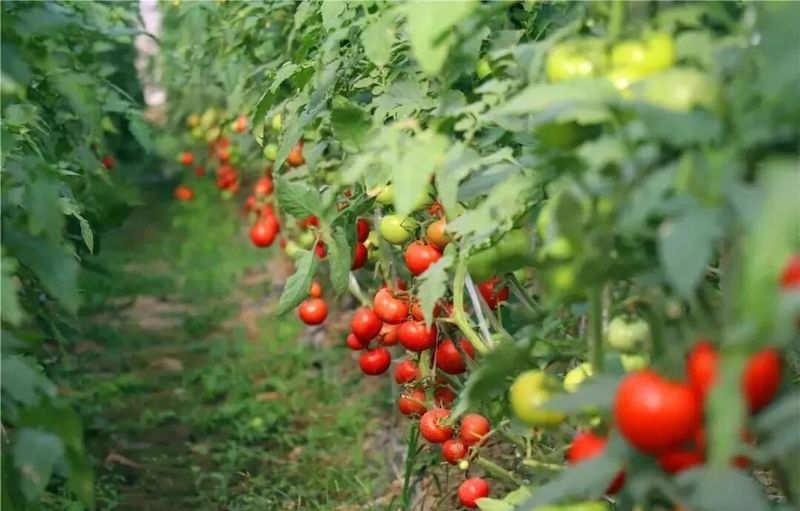
The death of a tree, caused by inappropriate tomato seedlings, is frequent, for example, through flat-stamping and pouring water into tomato seedlings, which results in poor aerobic aerobicity and subsequent watering, leading to rooting and infestation of endemic diseases and causing a decomposition。
What's with the yellow leaves in the bottom of the tomato
The leaves were green at the beginning of tomato seedlings, but then there was a downward trend towards greening, during which the edges of the leaves remained green. In the case of the affected leaves, there are no obvious invasive pathologies such as blubber, mold, etc., except for the mere yellowing of the veins。
I'm sure you all have a better understanding of the technology for the development of the large sheds, the care for the cultivation of the large sheds, and the careful management of their cultivation。









