


# one by one, to africa #
1. When is the most appropriate place to plant garlic
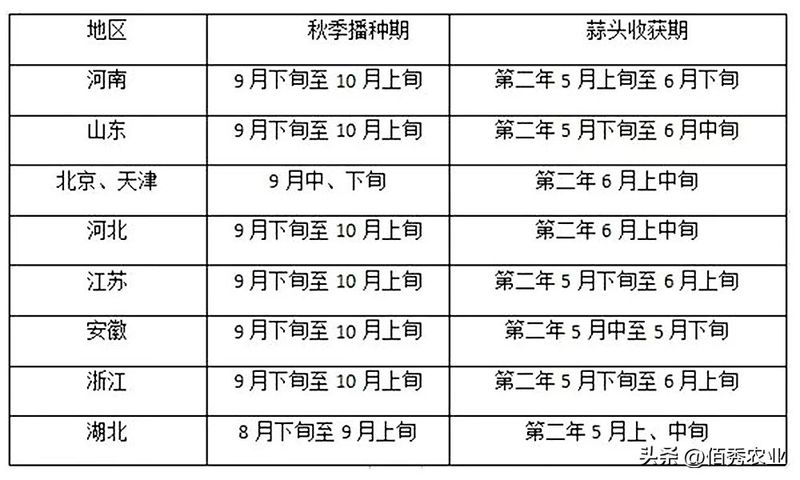
The credibility of the saying “august early, october late, september proper” is supported by two bases:
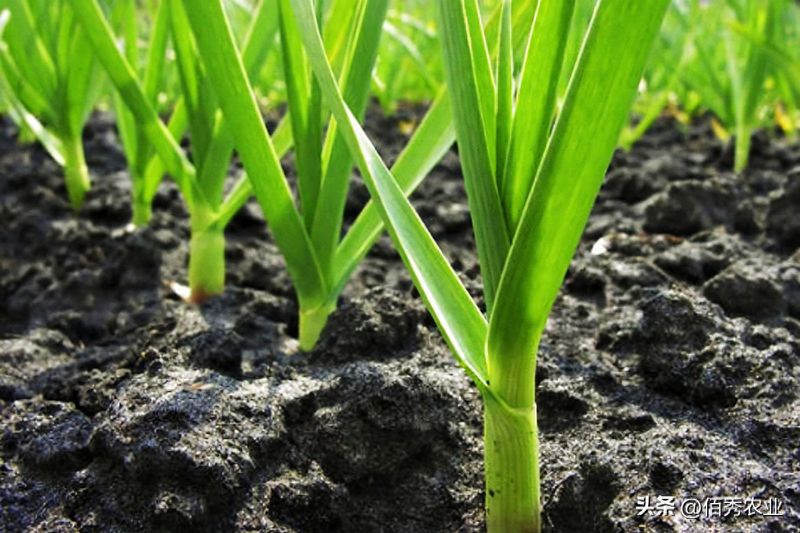
1. Garlic breaks the period of hibernation. In the ying region, garlic harvests take place between may and june (in the solar calendar), and the normal hibernation period is around 110 days, after which garlic is more likely to germinate。
2. Garlic breaks the temperature during hibernation. Garlic is cold, which is why garlic is grown in the autumn and harvested in the early summer。
When temperatures fall to 20-25°c, garlic breaks the optimal temperature of hibernation, so the exact time at which garlic is grown depends on local temperatures。
Based on the weather characteristics of this year, the meteorological sector predicts that the average temperature in september will increase by 1-2°c from last year, and in this context, following past planting practices would be somewhat anachronistic。
Like this year's big cabbage cultivation, though during the nursery season, high temperatures continued late in august, resulting in many of the traditional seedlings that were sorely sown that they were not seeded, and when the temperature was reduced, the time for planting was lost。
According to local agricultural technicians, the planting of garlic this year should be delayed appropriately, with the most prudent timing between late september and late october。
Ii. How does garlic grow
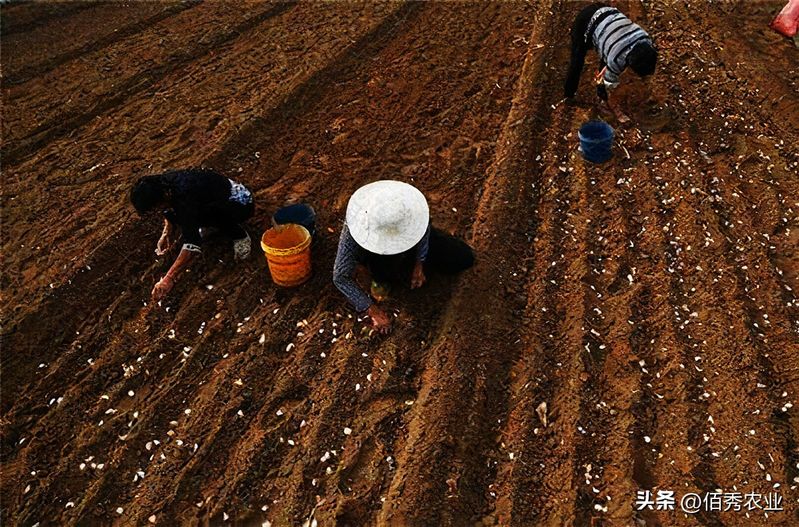
In the case of garlic, for example, the acreage is in the range of 300-350 kg, depending on the size of the garlic, and in accordance with the “deep garlic” seeding principle, the sowing depth should not exceed 5 cm。
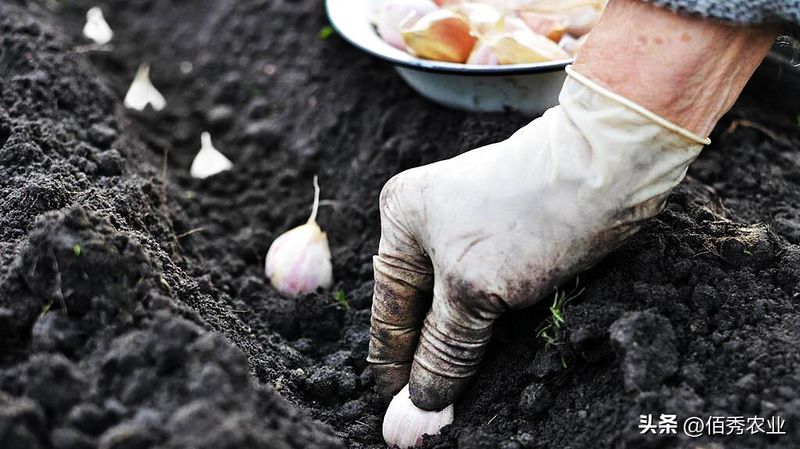
There is a saying that “two inches deep, one inch shallow, and the two are the safest”, that too much garlic is sowing, that it is not conducive to the formation of the rods, that it is bad for the growth of the sprouts, and that it is also bad for the root disease, that it is bad for the formation of the roots, that it is bad for the development of the roots, that it is bad for the development of the roots, that it is bad for the development of the yellow seed, and that it is bad for the winter。
The density of seeding is determined by planting habits in the various planting areas, with no uniform criteria, with a distance of approximately 20 cm and a distance of about 7-8 cm。
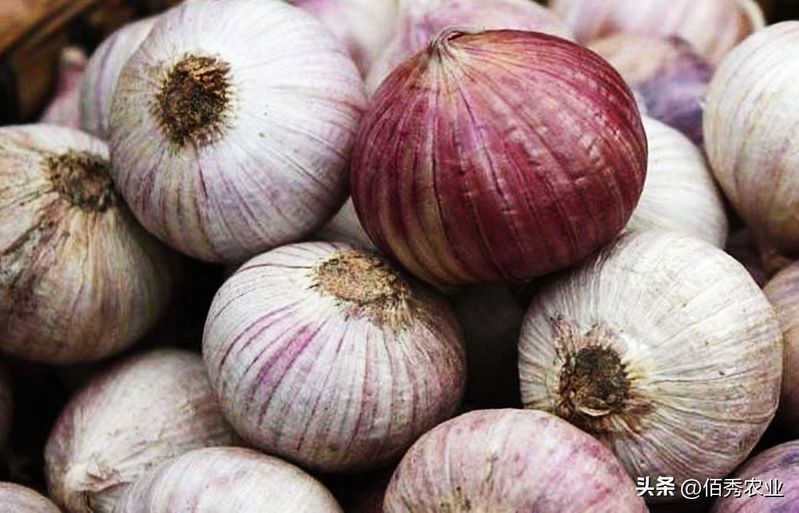
The planting of monolithic garlic, in addition to the selection of pre-cooked varieties of small and medium-sized garlic, requires an increase in sowing and planting density and delays in planting (late october or early november)。
Iii. Pest and pest control and closed weeding
Seed wrapping
The handling of garlic seeds in wrapping is a key step in the fight against root diseases and underground pests, such as the 27% phenylacne (ether acetal + carbide + thorium) suspension agent (80 grammes) for each acre of garlic seeds (300-350 gramps), which, when water is diluted by 3-5 pounds, is evenly mixed and can be sowed after drying。
2. Soil treatment
In the case of heavy-growing garlic, especially the heavy-heavy garlic field, the application of seed wrappings can be accompanied by the application of 5 kg of aptamine per acre, or 3 kg of accelerant chlorfluoride per acre, which would have the desired preventive effect。
Convergence against insects can be combined with the application of 100 kg + 50% gram of bacterial fattening per acre, or combined with other soil microbicides, which can have a better preventive effect on a wide range of endemic diseases and form the basis for the robust growth of garlic。
3. Closed weeding
While weeding in the fields has become increasingly sophisticated, the risk remains that inappropriate application can still produce symptoms such as low-burning leaves, yellow-planting, and even a significant reduction in yields。
In turn, weeding before seedlings are closed can significantly reduce the amount of weeding after seedlings。
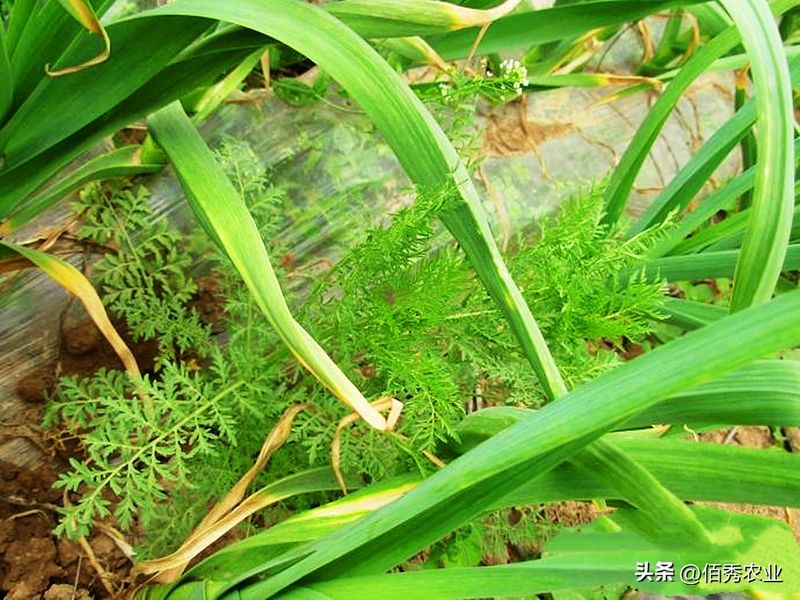
Plantors may adopt acetate following the planting of garlic or irrigation close weeding of formulations of pyrethrazine + fluoryl alachlor or peroxyethylachlor + fluoryl alachlor can reduce the undergrasm hazard by more than 90 per cent, over 70 per cent of the broad leaf weed hazard, and significantly more so for winter weed。









