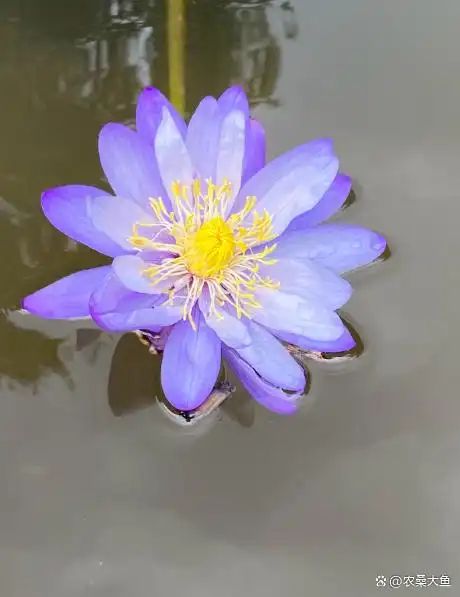
Sleeping lotus, as a beautiful and mysterious aquatic plant, has become the heart of many horticultural enthusiasts with its elegant gestures and charming flowers. In the ponds in the yard and in the park's waterscape, the sleeping lotus can be uniquely attractive. So, how do we manage to grow a sleeping lotus? Let's find out how and how we grow the sleeping lotus。
I. Characteristics of sleeping lotus
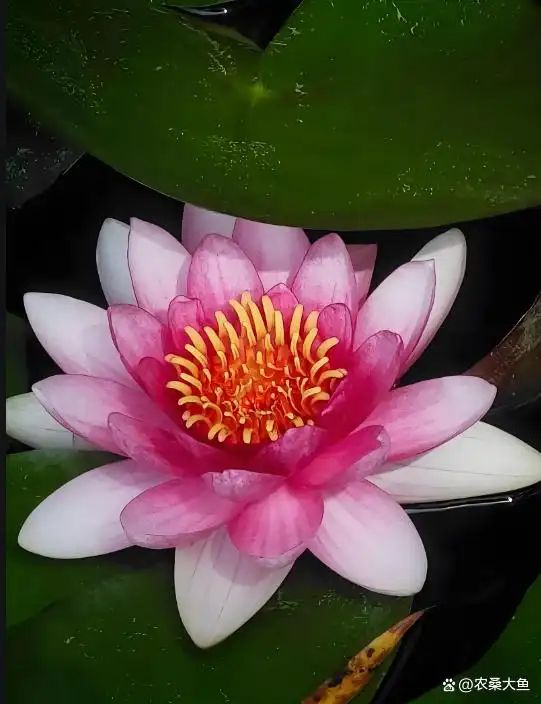
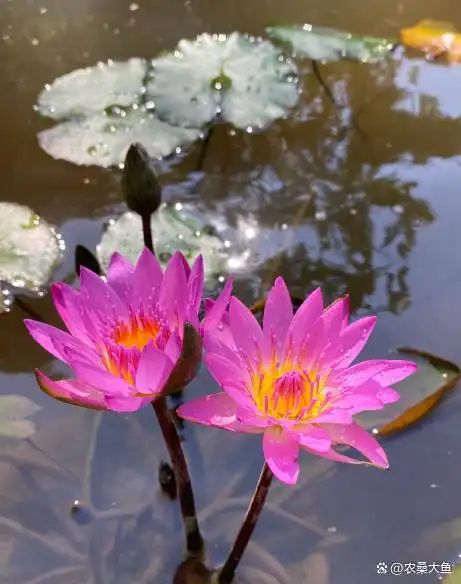
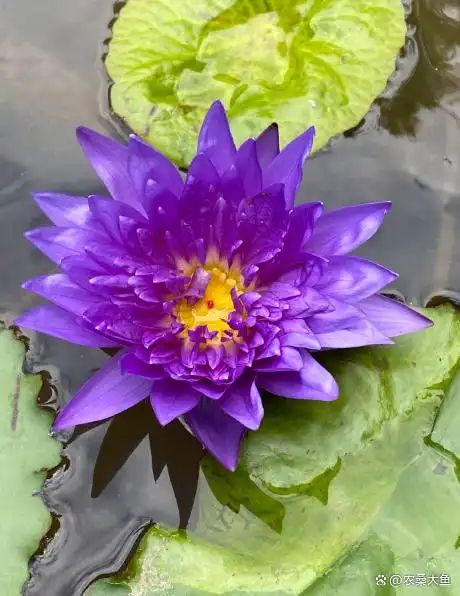
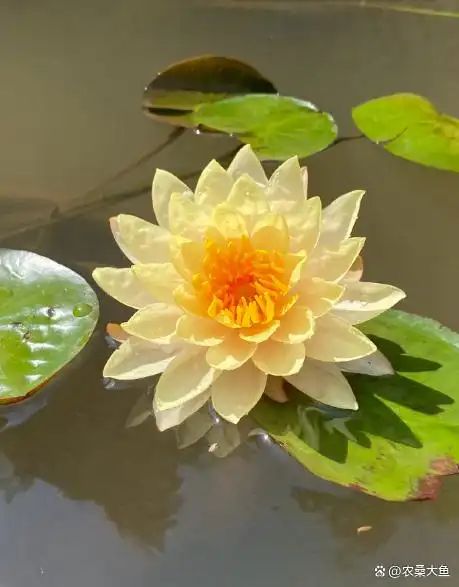
Sleeping lotus is beautiful in shape, leaves are floating on the surface, rounded or elliptical, green in colour, and bright. Flowers are single, rich in colours of white, pink, yellow, purple, and so on. They have single and heavy petals. They bloom as fairies in water。
Sleeping lotus is a multi-year aquatic herbivorous plant with greater adaptability. It can grow in static ponds and survive in slowly moving waters. Sleeping lotus has some water purification effect, absorbs harmful substances in water, increases oxygen content in water and improves aquatic ecosystems。
In addition, sleeping practices are special. The uniqueness of its flowers, which rise in the day and night, and bloom in the day and rest in the night adds to its mystery。
Ii. Methodology of sleeping les
1. Selection of suitable varieties
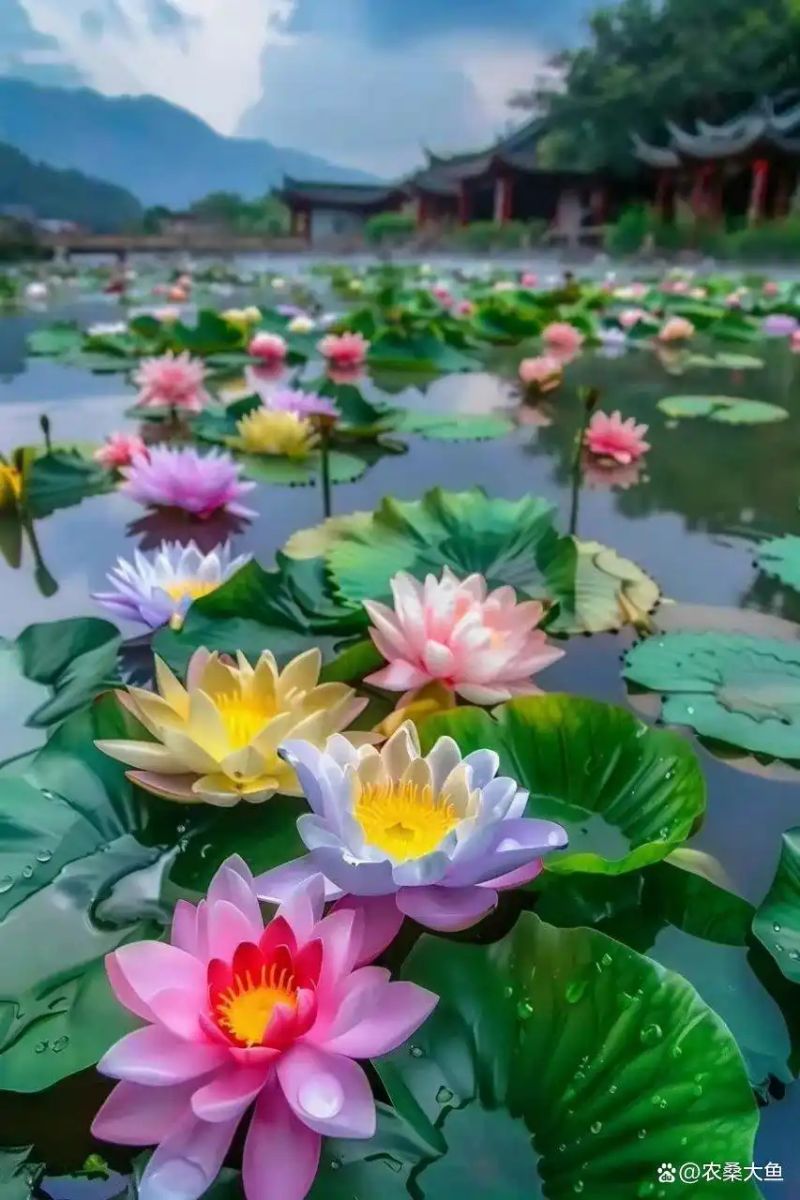
The variety of sleeping lotus is numerous, and prior to planting, suitable varieties need to be selected according to the planting environment and personal preferences. Common varieties are white, yellow and red。
Preparation for planting containers
Sleeping lotus can be planted in ponds or in flower basins or water tanks. If a plant is selected, it is recommended to select a larger container with a diameter of at least 30 cm or more and a depth of 20 cm or more in order to ensure sufficient growth space for the sleeping lotus。
3. Soil preparation
Sleeping lotus likes fertile, sticky soil. Pond mud or field-mixed foliage and corroded organic fertilizers may be used as a planting matrix. Soils need to be sterilized before use to reduce the incidence of pests and diseases。
4. Timing of cultivation
The planting time of sleeping lotus is usually in the spring or autumn, and both seasons are suitable for the growth and recovery of the sleeping lotus。
Cultivation methods
In the case of pond cultivation, the root of the bedline can be buried directly into the bottom of the pond at a depth of about 10 - 15 cm. In the case of a pelvic plant, a layer of soil is laid on the bottom of the container, then the root of the sleeping lotus is placed on the soil, then a layer of soil is covered so that the root is covered and finally water is poured。
6. Conservation management
(1) light: sleeping lotus is a radiant plant requiring adequate sunlight. At least 6 - 8 hours of sunlight per day is guaranteed in order to boost their growth and bloom。
(2) temperature: sleeping lotuss are suitable for growth at a temperature of 20 - 30°c, and in times of low winter temperatures, heating measures are required to prevent root and root frost。
(3) water quality: sleeping lotus is demanding water quality and needs to be kept clean. Water is regularly replaced to avoid the breeding of algae and bacteria in water。
(4) fertilisation: regular fertilisation is required during the growth of the sleeping lotus, which can be applied in appropriate quantities using aquatic plant-specific fertilizers. When applying fertilization, care is taken to avoid direct exposure of fertilizers to leaves and flowers and to avoid damage。
(5) pest and pest control: aphids, black spots, etc. Are common in sleeping lotus. Plantation is regularly checked and pests and pests are detected in a timely manner. Bioconservative or less toxic and environmentally friendly pesticides can be used to combat them。
In any case, the planting of a sleeping lotus requires some patience and care, so that, with the right methods of planting and conservation techniques, the sleeping lotus can bloom in the water, adding beauty and peace to your life。