


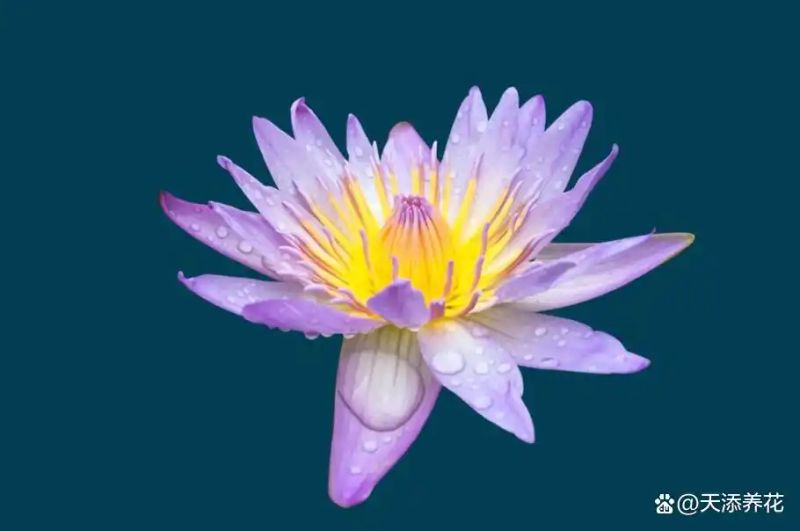
Sleeping lotus is one of the most popular water green plants in the summer, with high rates of survival, longer periods of flowers, summers entering the flower season, and winters are not easily frozen to death. Conditional florists like to raise a bowl or a bowl in summer; ponds, parks, etc. Are also suitable for planting。
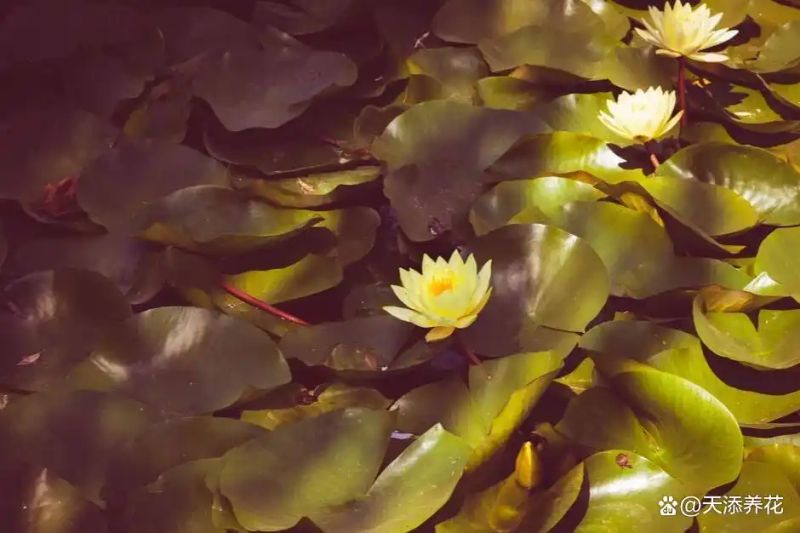
The two types of planting are mainly seed cultivation and seed cultivation, as described in previous articles, but not here today。
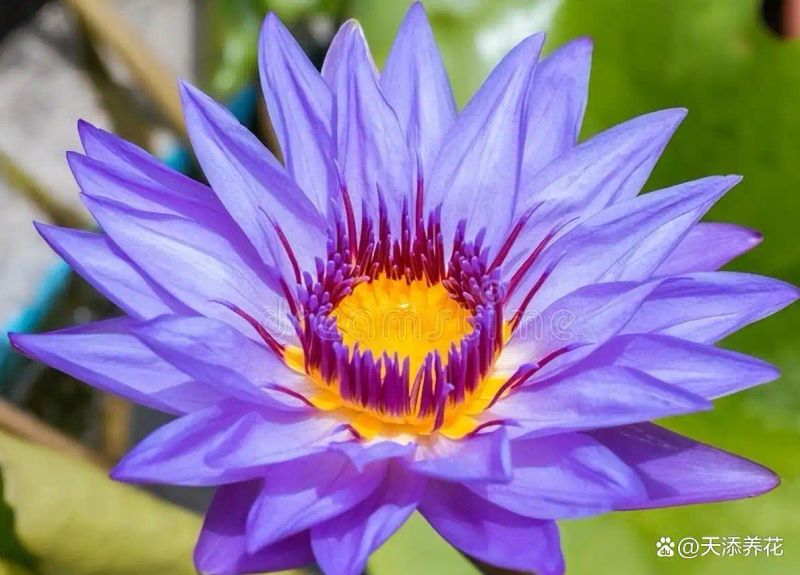
I. The sleep leading way
The most common planting methods for sleeping lotus are divided into two main types depending on the place, one of which is a jar planting; the other is a pond planting。
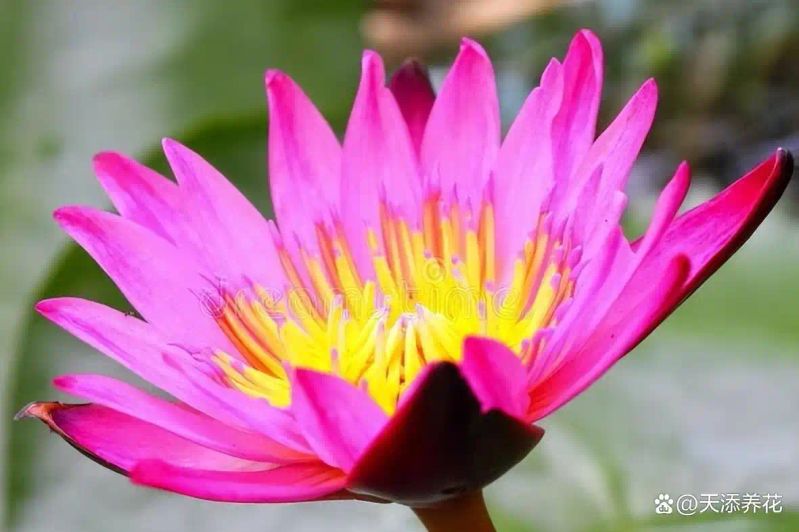
One, a jar
They are more suitable for the planting of sleeping lily in a family yard or balcony, where they are planted at a height of 50 cm or more, with the widest possible calibre of an impenetrable cavity or large; and for the use of a flower basin, the use of silt is preferred and, in the absence of silt, the use of the earth or the earth. A small amount of organic fertilizer is also applied below the soil to promote the growth of sleeping lotus。
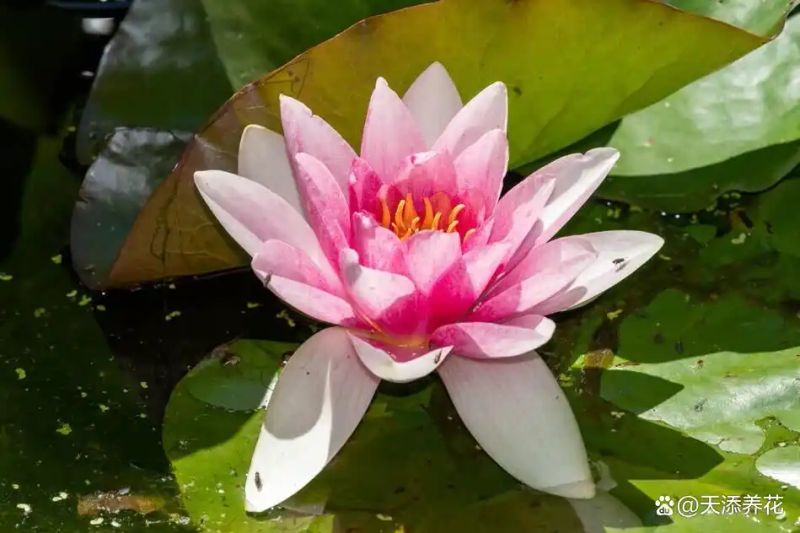
The filling depth is 30-40 cm, and the well-growing reproductive body is buried in the centre of the flower tank, with a slightly sprouts of the soil。
In the case of bedlines, care must be taken to move them indoors when winter temperatures are reduced in order to prevent the freezing of the root, which affects the future life of the bedlines。
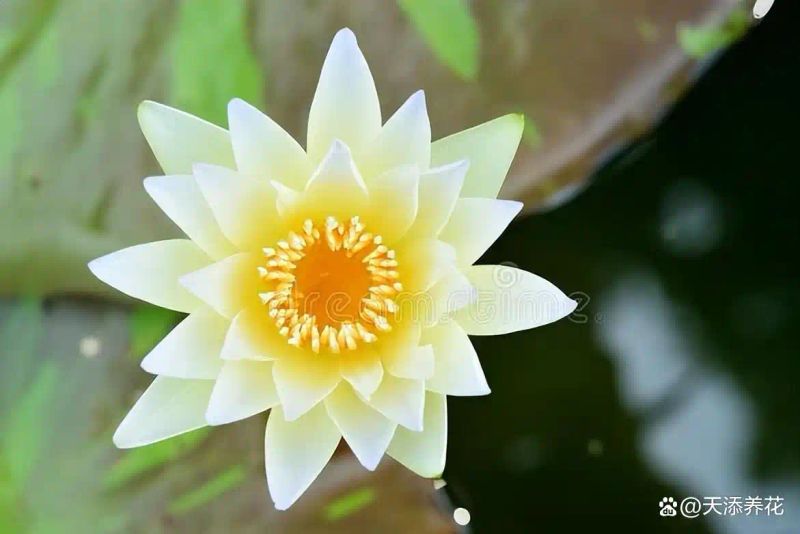
2 pond plant
Pond sleeping lily can be used in both basin and earth-planting techniques; basin-sinking can be applied to the bottom of the pond with too shallow or without soil; if there is soil on the bottom of the pond and it is deeper, direct earth-planting is more appropriate。
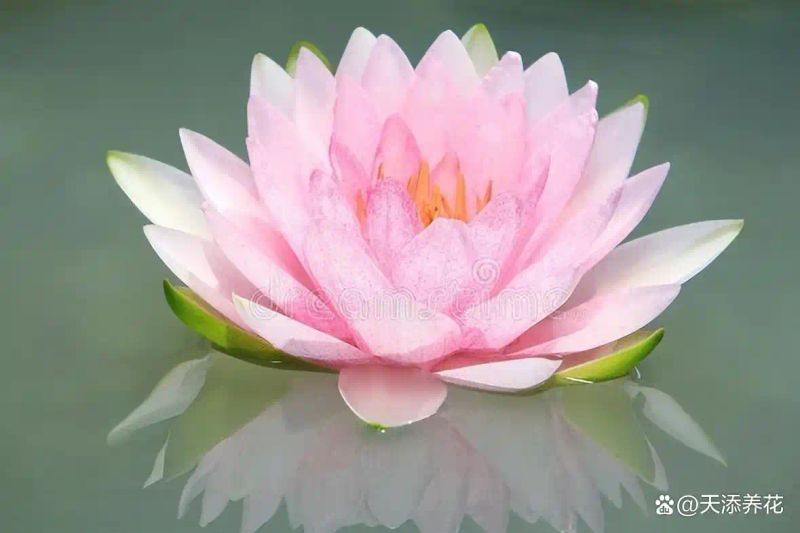
The pelvis-sunking method is based on the use of an impenetrable culture basin at a height above 30 cm, with as large a calibre as possible, planting methods, and consistent cultivation of nutrients and tanks. After the planting has been completed, the water level of the initial water level control is suitable for the first inundation of the culturer material, with which the growth gradually increases the water level。
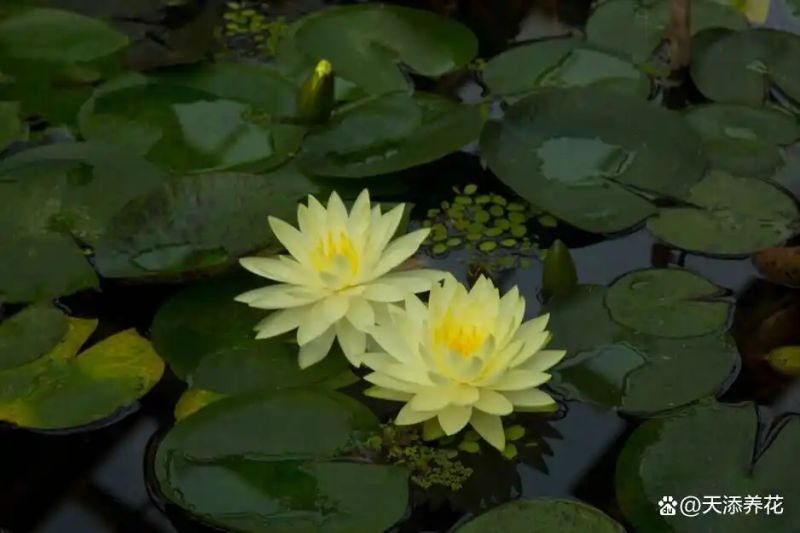
At least 30 centimetres of deep soil are found on the bottom of the bed where the breeding body can be planted directly. There is one advantage to be gained by poaching the bed, which is easier to survive, and by deepening the water level in the pre-winter pool, depending on the region, so that the roots can get up to the winter below the ice. The disadvantage is that conservation requires water conservation, that the second year of plaguing is difficult to extract and that fertilization and pest control are widespread。
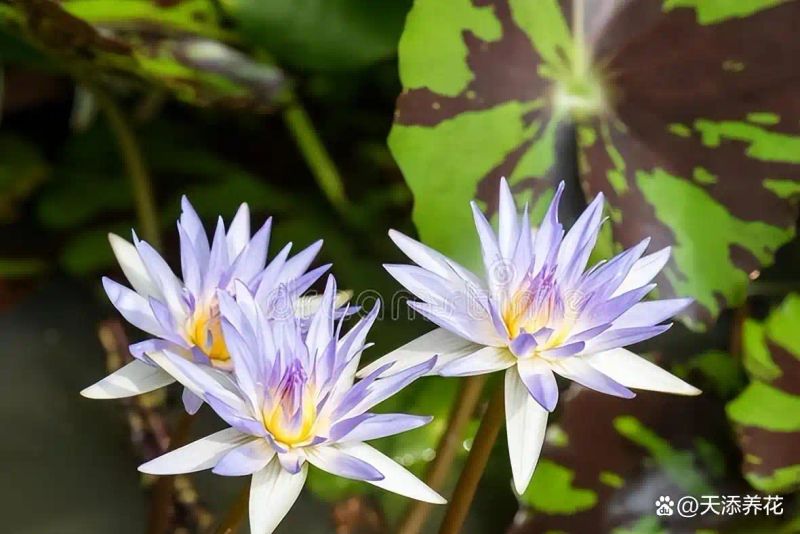
Ii. Impact of water levels on the growth of sleeping resources
The control of water levels is one of the important factors in the normal growth of sleeping lotus. The long-term differing demands on water levels by sleeping lotus are different, with attention to the control of water levels. The temperature of water has a direct impact on the growth of the sleeping lily, which in the early stages, due to short leaves, must be as shallow as possible so as not to expose the leaves to the air. The lower water level increases the temperature of the water as quickly as possible, boosts the growth of the root system and increases the rate of survival. As the leaves grow, the water level increases gradually, reaching the boom period and reaching the maximum value, so that the leaves can grow, the leaves are increased and the nutrients are stored。
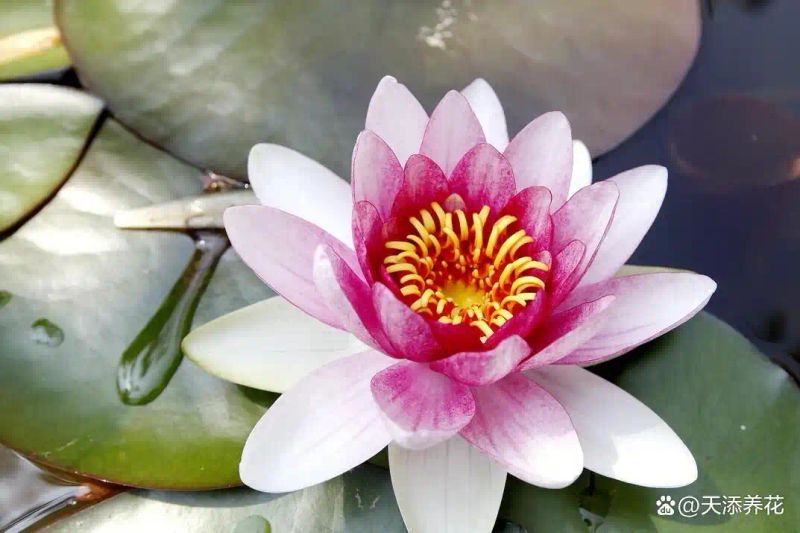
The water level is to deepen once before winter ice is frozen, depending on the largest ice thickness in history, keeping the sleeping lotus sprouts below the ice to facilitate safe winters。
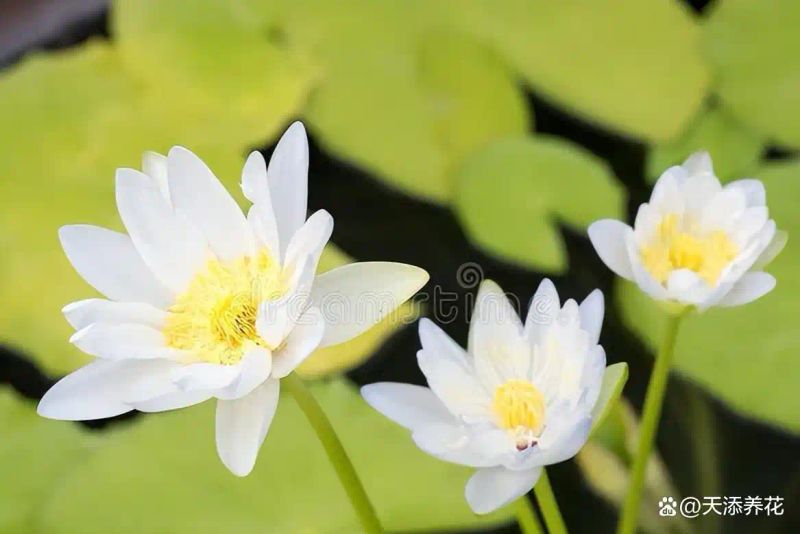
Iii. Impact of temperature and light on sleeping lotus
When the sleeping lotus is warm, growing at a temperature above 15 degrees, it quickly grows new leaves, the summer temperature increases, and when the temperature is right, it quickly grows flowers. Sleeping lotus, on the other hand, are less resistant to cold and need to keep temperatures above 10 degrees in winter。
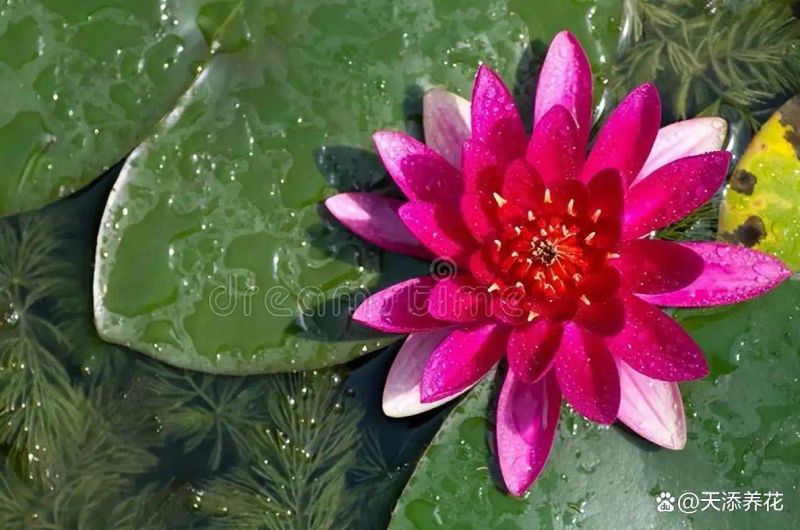
The usual maintenance must be placed in a place where there is sufficient light, which is a prerequisite for it to bloom, and where there is no light, it can lead to no flowers。
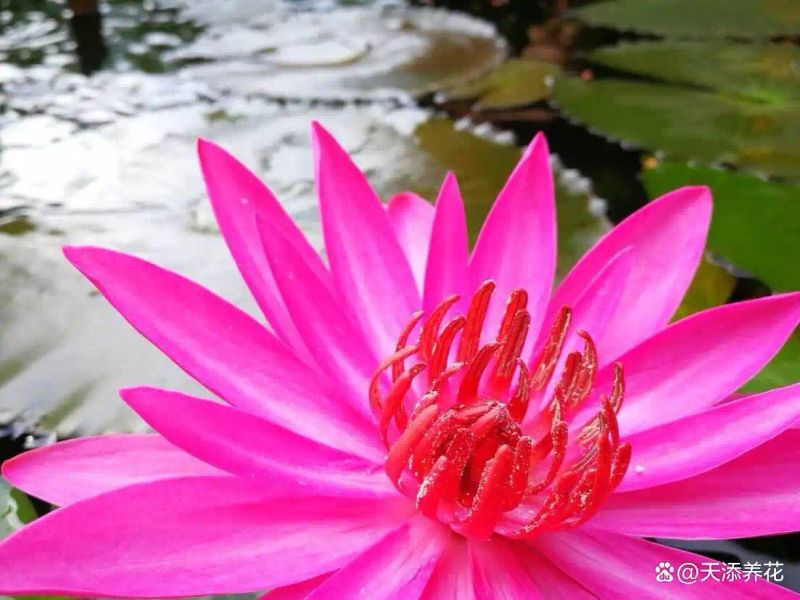
Iv. Fattening for sleeping lotus conservation
Reasonable pursuit of fat can prolong the time spent by the group of sleeping-sleeping lotes and also increase the number of reproductive growths in the coming year. It needs to be noted, however, that the principles of conservation and fatting must be both beneficial to the growth of the sleeping lotus and free from waste in the water, since waste of fertilizers leads to eutrophication of the water body and accelerates the growth of algae and waterweeds, thereby polluting the water body。
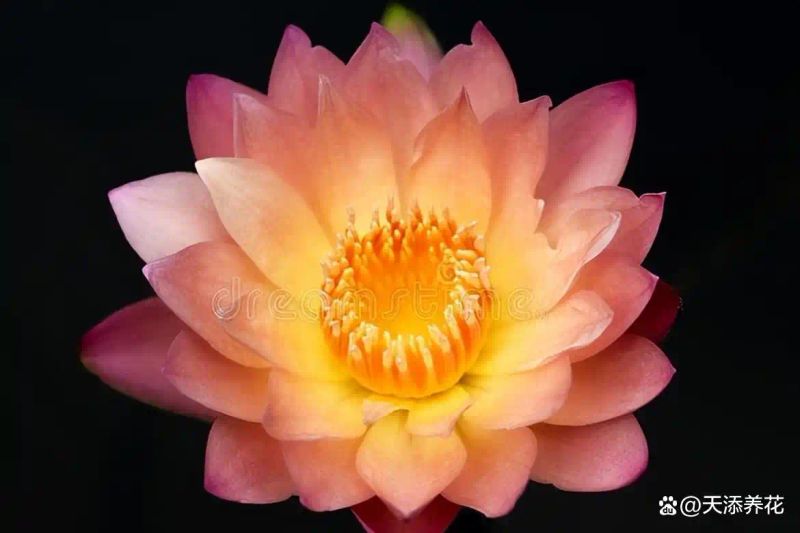
We can fertilize the soil with a slow decomposition of fertilizer so that the nutrients can be slowly released in the soil and so that the sleeping lotus can absorb. A few drops of nutrients in water can also be used to supplement nutrients。
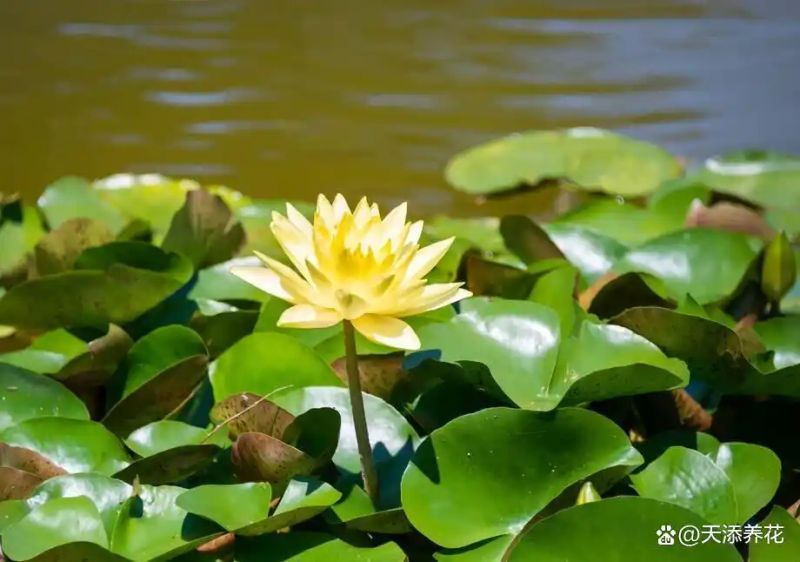
Fat-time is usually 15 days in advance of the flowering period and once every 15 d thereafter in order to guarantee the amount of flowering, but it is not too much, it is too easy to increase nutrient growth and the number of leaves increases, affecting the overall effect of the flowering period。









