


Lotus term: “gold transition” for cabbage growth
The cabbage period refers to the period between the congested tree (the end of the seeding period) and the condensed heart (the beginning of the ball), at which the planting centre leaves began to appear to embrace growth. This stage usually lasts 20-30 days, and it's a critical period in the growth cycle of big cabbage -- – full development of the outer leaves (lian leaves) to accumulate nutrients for later end of the ball while preventing excess of the outer leaves from affecting the development of the heart。
Core management objective: the success criterion for lotus term management is to produce well-developed and robust lotus leaves while ensuring that plants enter the terminal season in a timely manner. In short, it is necessary to have a full “spreading tree” and a moderate “crawling seedling” that provides a solid foundation for the formation of a tight leaf ball。
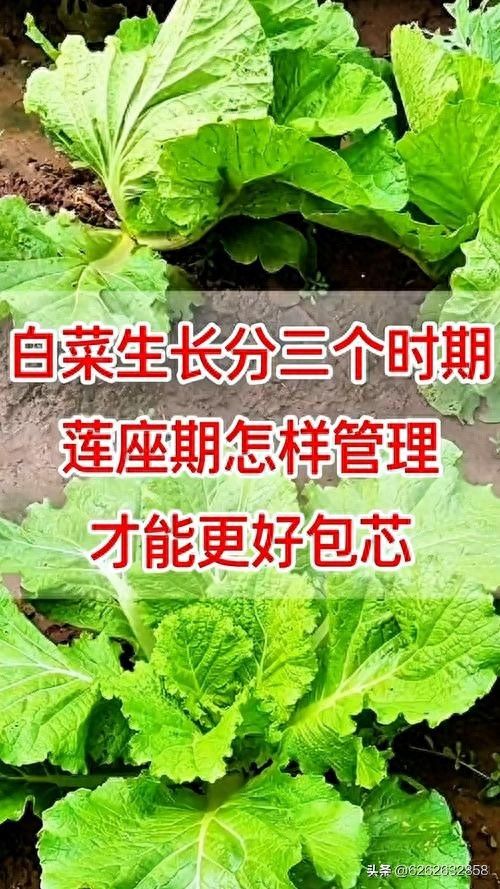
The growth features of the lotus period can be summarized as:
Root systems are growing fast: they have significantly increased their capacity to absorb fat water and have increased demand for fat water
The blades are highly divided: the outer layer of the leaves spreads like the lotus sea, the main organ of light co-operation
Environmental sensitivity: required temperature of 17-22°c, medium intensity of light, soil humidity of 70-8
Fertilizer management: art of control and promotion
Water-watering principle: wet and dry, combined
Water management during the limon period is subject to the “dry-and-wet” principle, i. E. Watering the surface of the soil when it is dry and the soil is wet but not wet. This phase will ensure both the moisture required for the leachate to flourish and the prevention of overwatering leading to the planting of long plants。
Watering techniques:
Observation of soil moisture: gripping by hand of a piece of surface soil and squeezing in clusters means that the humidity is sufficient; water is required if the hand is loose or the surface is dry and dry
Water-watering methods: use of small-water indigence or ditch irrigation to avoid heavy flooding leading to soil sheeting and disease transmission
Watering time: choosing 9-11 a. M. To avoid watering at night high
Special weather adjustments: adequate increase in the frequency of water recharge in prolonged dry weather and timely drainage in stormy weather
Note: the relative moisture of the soil during the limon period should be maintained at 70-80 per cent. Less than 70 per cent of the population is affected by drought, resulting in small leaves and small areas of light; higher than 80 per cent may lead to long leaves and delays in convulsion。
Fertilizer management: balanced supply, focused
Lotus season is a critical period for the nutrients of large cabbage, and fertilization should be based on the principle of “nose fatty, potassium phosphorus co-operation”, both to promote the growth of the leaves and to store nutrients for the ball。
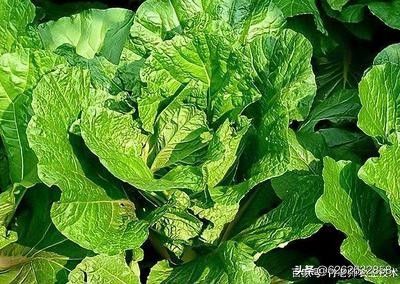
Fertilizer programme:
"feating a tree": 10-15 kg of high nitrogen compound fat in acre at the beginning of the lotus (after the chute) to promote new leaf growth
Fertilization methods: 8-10 cm ditches along the plant and water when fertilizer is applied
Leaf supplementation: 0. 3% urea and potassium phosphate solution sprayed to promote leaf blade growth
(b) petty: the application of fertilizers should be followed by sufficient water to accelerate the breakdown and absorption of fertilizers, but the water should be properly managed to avoid nutrient loss。
Crawling techniques: key measures for rooting development
Scavengeration is an important technique in the management of the lotus period, with proper water control, promotion of sequestering of the roots, adjustment of the growth balance of the plant and laying the groundwork for the ball。
Application of seedlings
Scavengeration is not applicable in all cases and needs to be determined in a flexible manner depending on the strength of the plant and soil conditions:
It's good for a moustache:
The land where the leaves grow
It's a long, thin, long-lived plant
Land plots with high soil fertility and high water fertility
It's not suitable for a moustache:
Inadequate fertility, poorly grown plots
Unsuitable weather conditions (e. G. Persistent high temperature drought) time
It's an infestation
The right way to get down
Scavengers need to be equipped with the principle of “moderation” in order to achieve the effect of root control and not to unduly inhibit growth。
Step:
Timing: midway in lotus, when the leaves are fully spread and the heart leaves begin to cuddle
Water control: dry and white soil surface, but plant is slightly abbreviated at noon and recovers at night
Duration: general 7-10 days, shorter in the sandy soil or in drought conditions
End sign: when the outer leaves are dark and green, the leaves are thicker, they alightly atrophy at noon, and the heart leaves end when green turns green mio
Important reminder: in the event of rainfall during scavengering, water should be drained in a timely manner, with appropriate lengths of scavengering or recommence. Once the seedlings are completed, water and fattening are required to facilitate the restoration of plants. Guide to the scientific management of the great beryllium: guide to the scientific management of the management of water-controlled fattening and the treatment of the lower leaves: the management of the management of the fatty and the treatment of the lower leaves
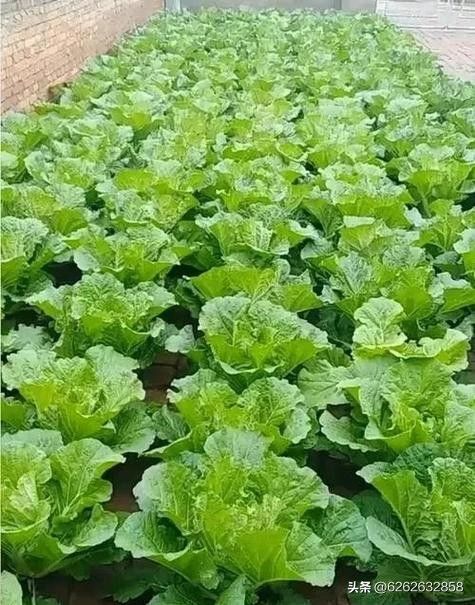
Bottom leaf processing: scientific judgement, precision operation
There is much controversy as to whether the cabbage leaves should be removed. The scientific approach is flexible, based on the growth phase of the plant and the status of the blade, and cannot be retained blindly in its entirety or removed excessively。
Basic principles of bottom leaf treatment
The treatment of the bottom leaves shall be based on the principle of “yellow or green or sick” and shall only remove old and ill leaves, which are truly non-functional, and retain all healthy green leaves。
Core principles of bottom leaf treatment:
Timing: “better than sooner”, at later stages of growth (after condensation) and as long as possible during the lichen period
Status: only leaves that are clearly yellow, dead, dry or infected with pests are removed
Level: only 1-2 of the lower floors are removed and overcut
Organisation
Bottom leaf treatment strategy in different contexts
Common problems and solutions
What about the chief
The problem is that the leaves are long, the leaves are thin, the trees are tall, the leaves are thin, and they look fast, but they are fat。
Solutions:
Put an end to the use of nitrogen fertilizer and avoid exacerbating the captain
Take proper water control, and make light seedlings
Increased plowing of pine soil, severed parts of the surface and promoted rooting
Potassium dihydrophosphate (0. 2-0. 3% solution) is sprayed when necessary to inhibit the length of the leaf and promote the return of nutrients
What about the drought
The problem is: the soil is dry, the plant is aging, leaves are yellow and growth is stagnant。
Solutions:
• timely watering and the use of light water or ditch irrigation to avoid flooding
Watered and properly cultivated, cut the cavity tube and reduce water evaporation
Water sprayed on the leaves, carried out in the evening or early morning, to supplement the leaves with water
Covering the plume, reducing soil moisture evaporation by slurry or grass cover of the plume
What if you put too much weight on it
The symptoms of the problem are yellow on the edges of the leaves, charred, atrophy of the plant, and brown rotting of the roots。
Solutions:
Increased and immediate watering to dilute fertilizer concentrations in soil
Cultivated pine soil, increased soil aerobicity and restoration of root systems
Leaf sprayed clean water or 0. 01 per cent of thaline lactone to mitigate fertility
Replanting in serious cases to avoid greater losses
Locally appropriate, flexible management
There is no absolute “one-size-fits-all” approach to cabaret management, and only localization and seedling management are central to success. Remember the following key points:
Fertilizer management: following the “dry-and-wet” principle, balancing supply and avoiding large-water fattening
Crawling technology: not all cases require crawling, with flexibility depending on the strength of the plant and soil conditions
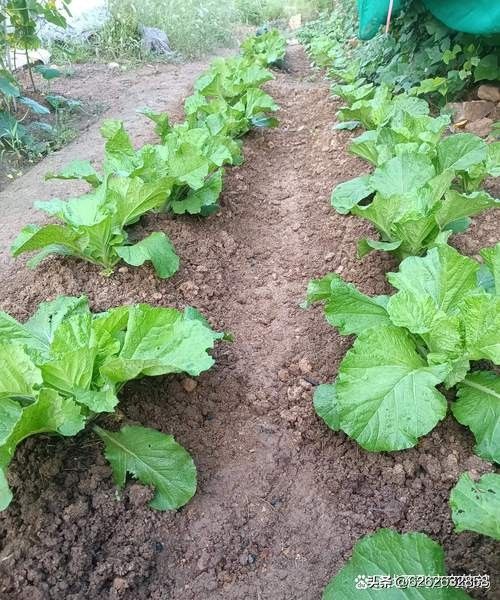
Bottom leaf treatment: insistence on “no greening, no healthyness”, avoiding blind leafing
Observation adjustments: daily field observation, timely detection of anomalies and appropriate measures
Cultivation of wisdom: the land is grown as a human being and management is fine. The true wisdom in the management of the great cabbage is to observe patiently and to follow the path. When they are young and dedicated, we retain and cherish them; when they are old and old and even become burdens and hazards, we decisively clean up and create better conditions for their “teammates” — healthy leaves and, ultimately, fruits。
Through the scientific management of the lotus term, your cabbage will form a strong root system and a strong lichen leaf, laying a solid foundation for the later end of the ball and ultimately achieving the goal of high productivity, quality and durable storage。









