


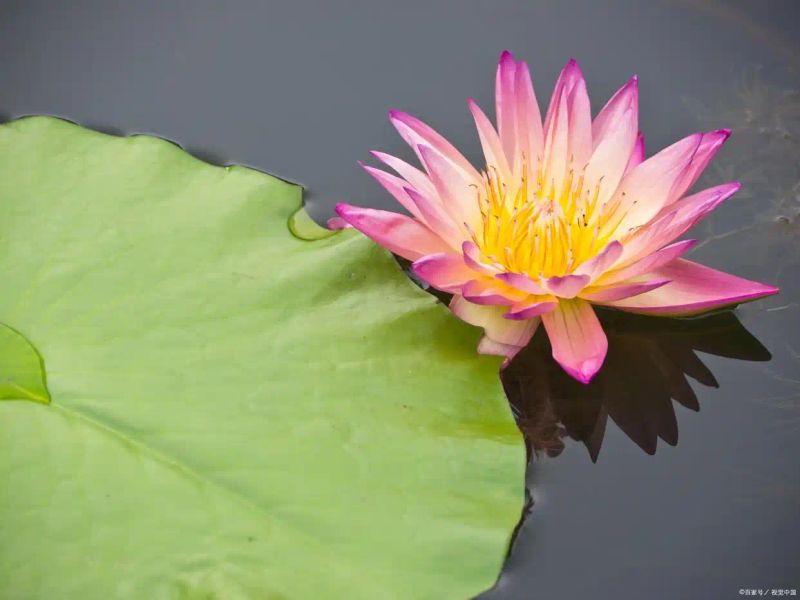
Sleepy lotus (school name: nymphaeacee) is the first subject under the phytogates, double-leave plants, and hairy hairs. The model is sleeping lotus, which was widely distributed around 160 million years ago. Sleepy lotus is an ancient double leaf plant, with certain monoleas features, and is therefore of great importance in studying the origin of the double leaf plant and its evolution。
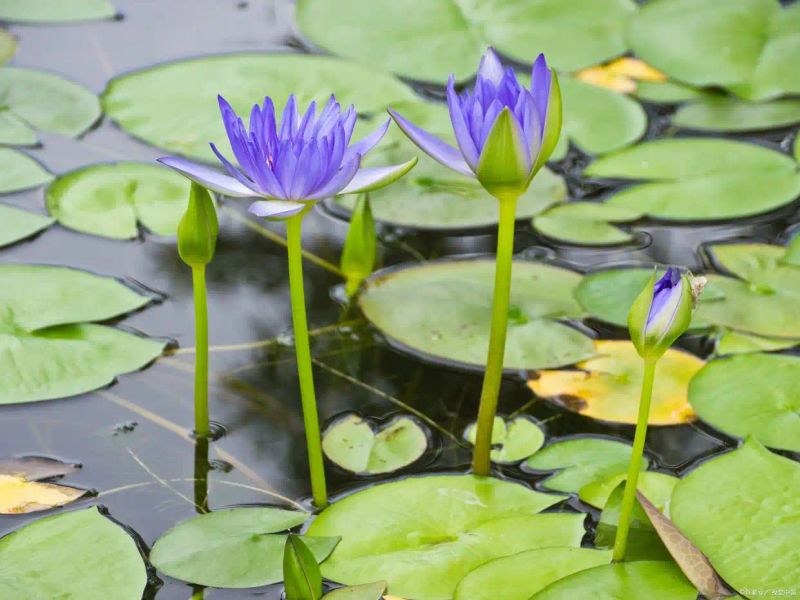
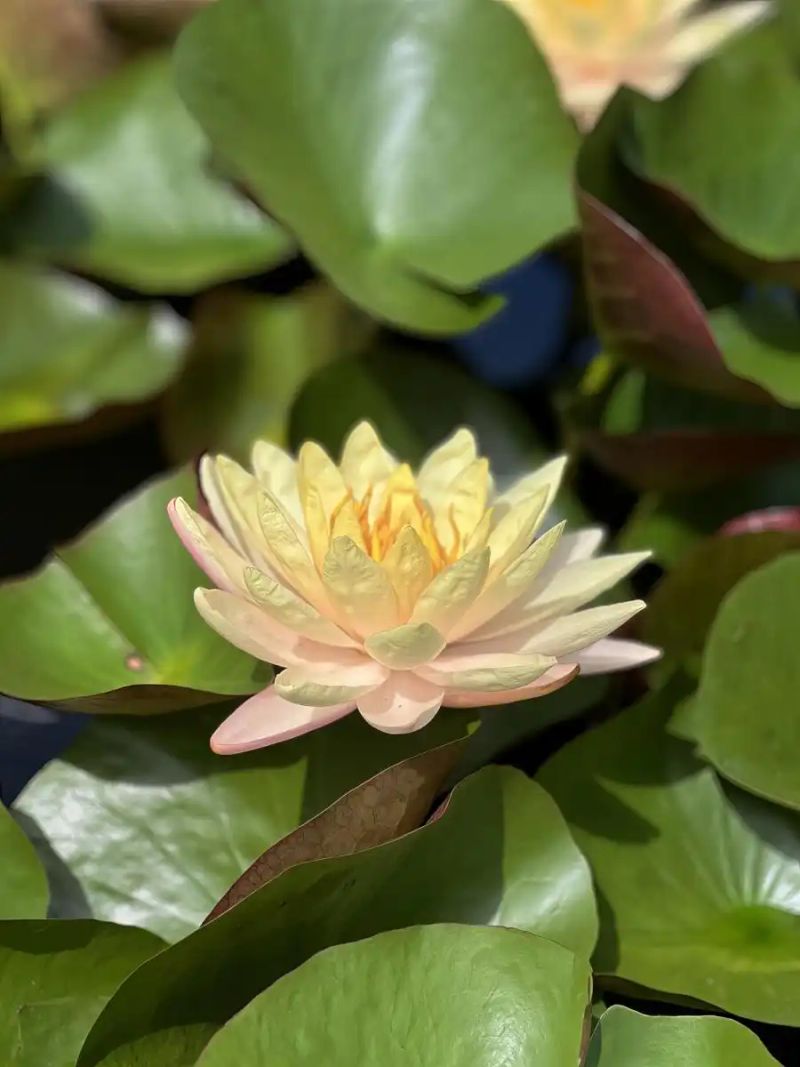
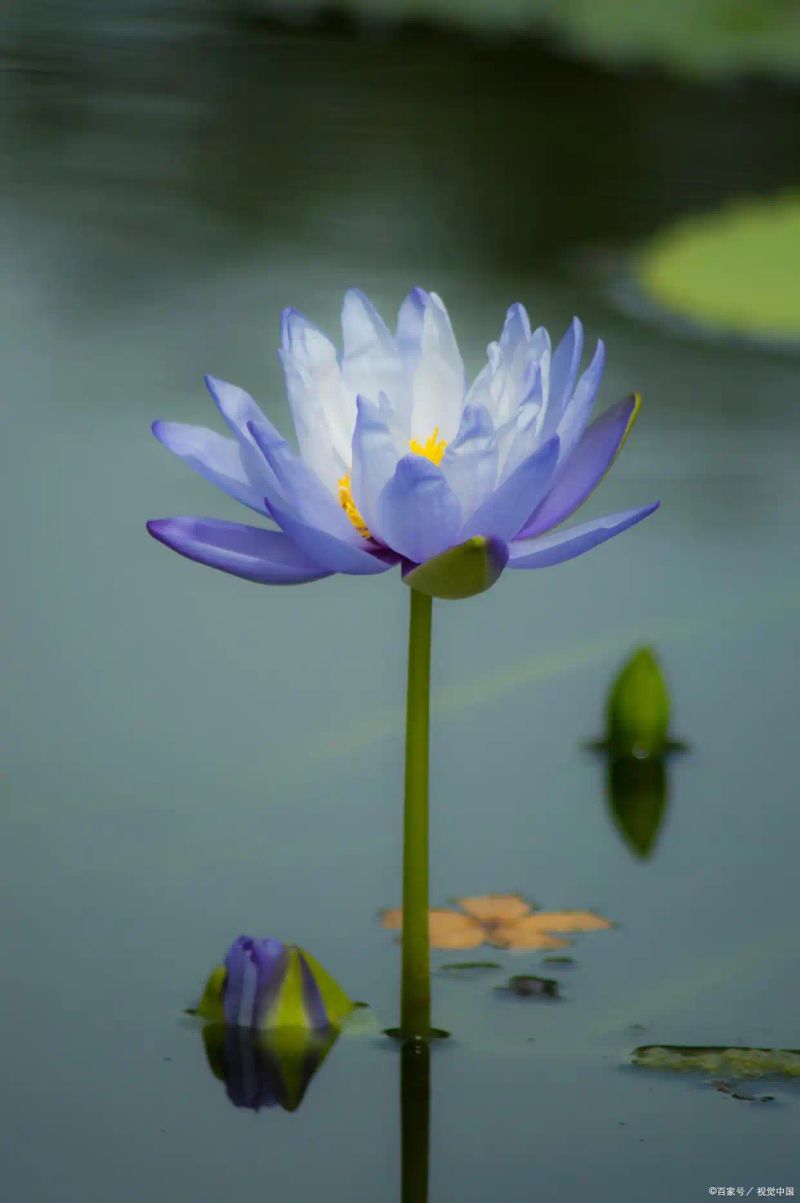
Sleeping lotus is a multi-year floating-leaf aquatic herbivores with thick roots, standing or crumbling. The second type of leaf, which is floating on the surface of the water, has a deep base fracture into a hoof-and-heart form, has full lobe or teeth, and is thin and soft. Large, beautiful, floating or above the water surface; pellets 4, near life; petals white, blue, yellow or pink. Sleeping lotus is a very valuable indoor plant whose elegant flower shape and unique growth habits are well received. However, the right method of breeding is essential if the sleeping lotus is to grow and bloom. Peter will provide you with a detailed guide to sleeping-love farming, which will help you to create a pleasant home environment。
I. The environment in which the sleeping lotus grows:
Temperature: sleeping lotus prefers high temperatures and strong light, with growthable water temperature at 18-20°c. It should be covered or watered in winter to protect against cold at temperatures not below 4°c and avoid freezing。
Light: sleeping lotus is a plant that needs to grow in the sun and generally needs to ensure that they can accept the sun for eight to nine hours a day so that they can flourish and flourish。
Soils: sleeping lotus requirements for soil are not stringent, but it is preferable to choose a land rich in machinery. An appropriate amount of neutral soil can be added to the packagings where the sleeping lot is grown in order to avoid disrupting the acid alkali balance of the soil and water。
Water quality: sleeping lotus demands very high water quality, requiring, inter alia, that water quality be clean, otherwise the leaves are prone to decay. The depth of the water is 30 cm-60 cm, requiring a corrosive border, the soil is more fertile, and the subterranean tubing requires winterization in unfrozen soil。
Water level: the control of the water level is also critical in the growth environment of the sleeping lotus. In the early stages of growth, the water level is as shallow as possible, due to the short weight of the leaves, so as not to expose the leaves to the air, so as to increase the temperature of the water as soon as possible, to promote the growth of the roots and to increase the rate of survival; the water level is gradually increasing as the leaves grow。
Ii. The methodology and technology of sleeping les
Selection and reproduction: selection of healthy, pest-free sleeping lotus seeds for breeding. Reproduction can take place in separate strains or seeds. Separate varieties are suitable for small sleeping lotus varieties and seeds are suitable for large sleeping lotus varieties。
Packagings and matrices: sleeping lotus are generally hydroponic and can be placed in an office, bedroom, living room, balcony or courtyard. The choice of the flower basin can be determined on the basis of individual preferences and the style of the family as a whole, either in the transparency basin or in the clay. The greater the pot, the larger the flower. The deeper the flower pot, the longer it lasts。
Seeding and transplantation: spread the seeds evenly on the matrix and press the soil lightly. Maintain appropriate temperature and humidity conditions to promote seed growth and seedling growth. When the seedlings grow, they can be transplanted and planted in larger containers. If you have a fish pool in your house, or if you have a big cask, you want to grow some sleeping lily and some fish, then you need to think about the problem of "dry water." because of the fact that they are grown with river mud, the fish can move easily and easily pull up the mud, creating water. Therefore, the advantage of planting sleeping lily in fish pools and in fish jars is that water is the preferred species of grass, which is not easily watery。
Fertilizer management: keep the water body clean and adequate during growth. At the same time, regular fertilization is required in order to provide sufficient nutrients for the growth and flowering of sleeping lotus. Fertilizers may be selected for plant nutrients or compound fertilizers, with care to control their application and frequency。
Pest and pest control: periodically check the growth of the sleeping lily and, if signs of disease and pests are detected, treat them in a timely manner. Frequent diseases include anthrax and leaf rot and pests. Proper daily fertilization is required, along with the timely removal of sick strains and the removal of leaves. Co-appreciation can be used for the application of chemical agents for the symptoms, but care is taken to move the pellets to the outdoors。
Adapting to the new environment: it may take some time to adapt to the new environment for newly purchased sleeping lotus. Patience and care should be maintained during this period to avoid excessive interference in their growth process. Care is to be taken throughout the growing season to clear the basin of weeds, dead leaves and water algae。
It is essential to maintain a beautiful fragrance with proper sleeping-leaving methods and timing. If you follow the guidelines provided here, you can easily create a beautiful home environment. Let's hope this guide will help you grow beautiful sleeping lotus! If there are any further questions, comments are welcome. I'm peter, focus. Don't get lost









