


Tant: elements for mushroom cultivation。
The core technical importance of mushroom cultivation is to control temperature and humidity, to ensure ventilation, to sterilize, and to match appropriate culture and vaccination management. The details of the different varieties vary slightly and the following core elements are key。
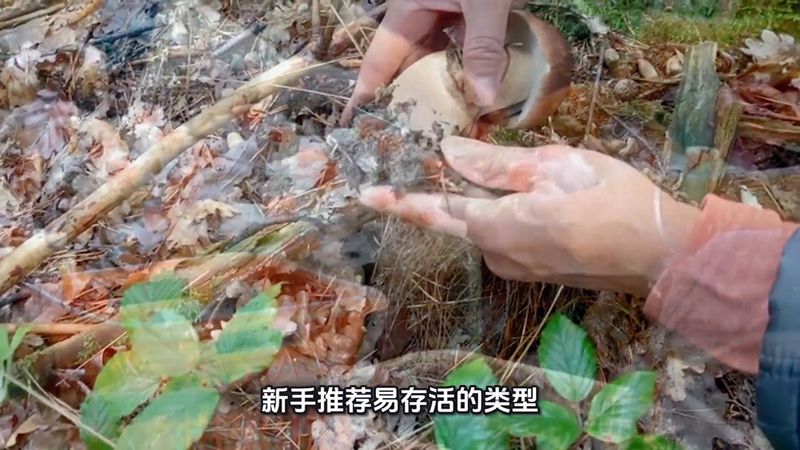
Varieties are selected to match scenes and needs, preference is given to varieties suitable for the planting environment, and newcomers recommend viable types。
Indoor cultivation is an option for mushrooms, which are cold and resilient. Or golden needle mushrooms, it's cool, it's hot。
• the cultivation of recommended mushrooms outside the house or in the shed, which requires a temperature differential to stimulate mushrooms. Or wood, which is drought-resistant and suitable for a good ventilation。
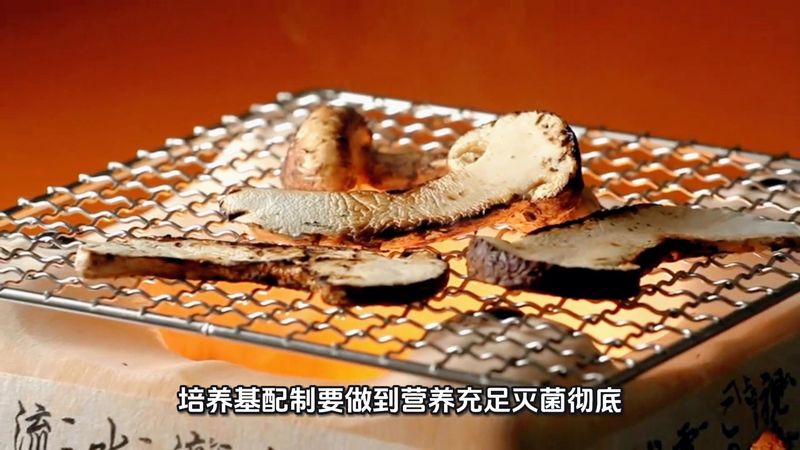
High-value-added varieties, such as almond mushrooms, require precision temperature control and suitability for plant cultivation。
• a culture-based formulation that is nutritionally adequate and sterile. The growth of mushrooms is dependent on culture, with the core being nutritional balance and fung-free. Common raw materials include cotton seed shells, wood crumbs, maize cores, wheat aluminum and plaster to regulate acidity。
Matching varies from species to species, such as 70 per cent for mushrooms, 20 per cent for wheat, 1 per cent for plaster and 60-65 per cent for water. The key step is to keep water content at 60-65 per cent after mixing, holding hands in groups, with no dripping of the stitches and then high temperature eradication. The average pressure of 100 °c is 8-12 hours, the pressure of 121 °c is 2 hours, and the fungs and eggs are completely eliminated。
• vaccination management should be carried out strictly in a sterile manner to prevent pollution. Post-sterilization cultures need to cool down to less than 25°c in order to be vaccinated and avoid high temperature killing bacterial species. The inoculation environment is pre-sterilised with alcohol and operators wear gloves and masks to reduce air fungs. The method of vaccination is to spread the fungi evenly on the surface of the culture base or in layered access to post-vaccination seal culture to prevent fungi intrusion。
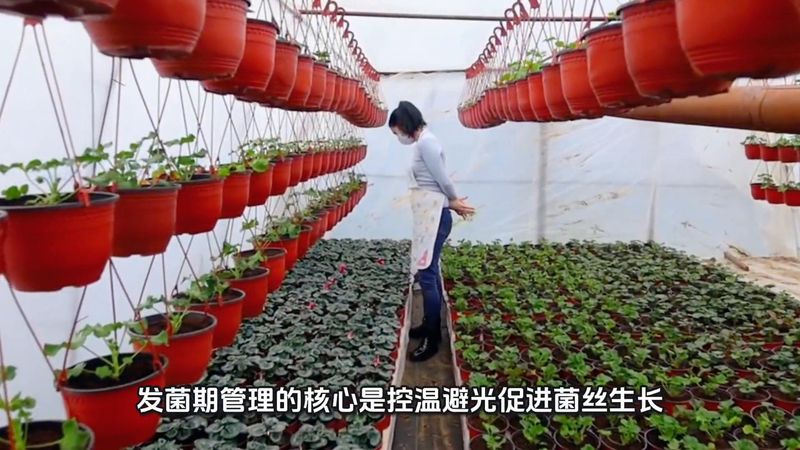
At the heart of the fungi management is the control of temperature avoidance and the promotion of mycelosis. Most varieties are suitable for 20-25°c, shrooms 22-25°c, golden needles 18-22°c. The temperature is too high and the fungus is too low to grow slowly. The environment needs to be kept light, dry and ventilated, and to avoid moist conditions leading to impurities. In general, after 20-30 days, the fungus can enter the mushrooming period when the culture base is full of white fur。
Sphinx management requires coordination of humidity, ventilation and light, and proper cooling can stimulate mushrooms. Sphinx 15-20°c, mushroom 15-18°c, golden needle 8-12°c. Air moisture is increased to 85-95% and can be increased by spray, but direct spraying on mushrooms is avoided. The culture base should be wet, provide a weak light exposure, spread the light optimally, and avoid a strong direct light. 1 - 2 ventilations per day for 30 minutes each to ensure sufficient oxygen to prevent the decay of mushrooms。
Collection and follow-up management are also important, as they are collected when the sub-entity is mature but not umbrellaed. The inner rolls on the edge of the fungus cover, which is 5-8 cm in diameter, affect the quality and follow-up mushrooms after the harvest. When picking, hand-held shroom handles are slowly rotated off the base, avoiding pulling up the culture base. After harvesting, the fung beds are cleared of residual shroom root for 1-2 days, and the temperature management is restored to promote second mushroom growth。









