


If we raise the yield of celery
A very detailed account of your knowledge of celery's production and of its high production techniques
Celery is one of the vegetables that our people often eat, and the technology used in rural celery cultivation has a significant impact on its quality and production. The most frequent diseases in celery growth are mainly folic diseases, which often have a negative impact on the quality and yield of celery if ill-treated or ill-treated。
Therefore, we farmers need to focus on more scientifically sound celery cultivation techniques and effective foliage prevention and control techniques, which are important for improving the quality and yield of celery and preventing the occurrence of foliage. Styrofoam analyses in detail the culture of celery and the symptoms, causes, patterns and control techniques associated with foliage, based on local and own planting experience。
Celery contains a variety of vitamins and trace elements for human needs and has high edible and pharmaceutical value. Celery is often eaten with the effect of awakening the brain and cooling the pressure. Thus, our farmers, in the process of planting, have been able to effectively adopt celery cultivation techniques and foliage control techniques that can effectively improve the quality and yield of celery and promote its healthy growth。
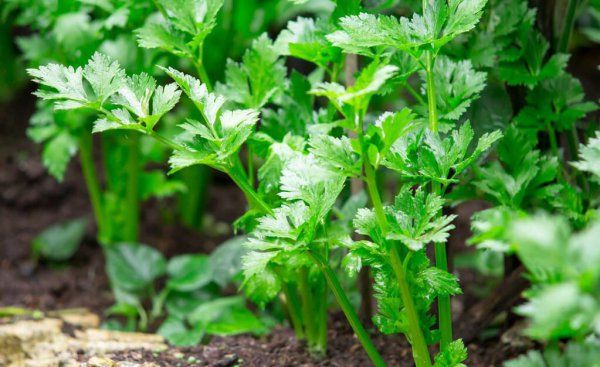
I. Technical aspects of celery cultivation
In order to ensure celery production, rational and efficient planting techniques should be used. In particular, the following points should be noted。
1. 1 selection and treatment of nursery grounds
Prior to the planting of celery, a rational breeding land should be chosen to ensure fertile soil, good drainage conditions, ease of irrigation and flat terrain in the breeding grounds and the need to seed the celery on land that has not been cultivated. The selection of nursery grounds requires the application of a reasonable amount of organic and compound fat to the breeding grounds and the conversion of the land into a specific, long-range dish。
1. 2 selection and processing of seeds
The celery is divided into various types, and a reasonable type of celery should be chosen before it is bred. Specifically, the selection of celery varieties should take into account local natural factors, the environmental climate and market needs, and the selection of high-yielding celery varieties suitable for local growth and market demand, while ensuring that they are more pest-resistant. After the celery selection, we have to process the celery seeds
Celery seeds are washed with fresh water and immersed for an additional half hour with 50 degrees of warm water, which is constantly mixed in the process. The seeds are immersed in cold water for six to eight hours, then in warm water for one day, and then the seeds are washed until their skin falls. Half-drying of seeds and six times the amount of sand added to the seed, with plastic membrane in the basin to be sprung at 20 degrees. This process requires the daily flipping and washing of seeds, which can be sowed when more than 80 per cent of the seeds are sprouts。
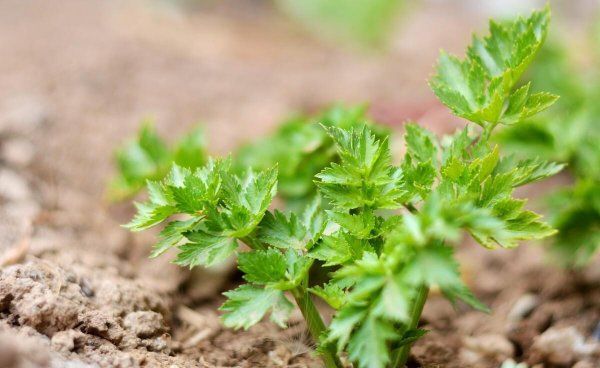
1. 3 points of celery seeding
Before sowing, celery should be ploughed and fertilized, flatten and watered and then soaked underwater. The seeding is completed and then covered with a layer of soil, which then covers the membrane. In order to ensure the growth of seeds, planting should be accompanied by regular fertilization and watering to provide sufficient nutrition and moisture for the growth of celery seedlings。
1. 4 focus on celery planting
Farmers should choose the appropriate time to plant celery, depending on the local climate and the growth of celery seedlings. In general, shelium leaves are grown more than five, and they are grown about a week later. Depending on the location and variety of species, there are differences in the number and spacing of celery seedlings per den. Henfang warned of the need to water the celery seedlings the day before the planting. The seedlings are grouped by size, and the same size is planted together. Celery should grow at the same depth as celery seedlings. After planting, water is needed immediately。
1. 5 field management points for celery growing
Once the celery is ready, it needs to be managed in the field. Specifically, the following four areas should be addressed: watering, fertilization, weeding, pest control。
Celery is a vegetable that requires more water, and must be watered regularly, with reasonable control of its size, soil moisture and sufficient moisture for its healthy growth. The celery should be fertilized on a regular basis, with a reasonable amount of nitrogen, phosphorus and potassium fertilizer to improve its resistance to pests and diseases and to provide sufficient nutrients for its growth. Celery should be pine-grassed before every fertilisation so that weed does not affect its growth. Celery can produce pests and diseases due to, inter alia, unreasonable planting periods and inadequate nutrient fertilizer. In order to combat pests and diseases, timely fertilizer should be applied, sufficient nutrients should be provided for the growth of celery, the resistance of celery to pests should be enhanced, and appropriate medicines should be selected for treatment depending on the type of disease or pest。
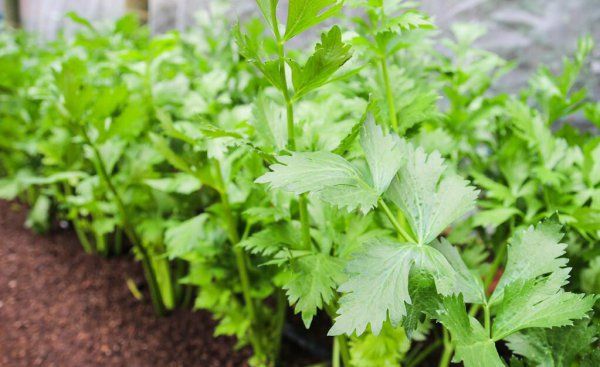
Ii. Technical points for the prevention and control of celery leaves
Celery foliage is often one of the most affected diseases, and if it occurs, it will seriously affect the quality and yield of celery. This is the basis for a detailed analysis of its symptoms, patterns, causes and precautions。
2. 1 symptoms, patterns and causes of folic disease
Symptoms: celery begins to develop at the edge of the leaves when it causes foliage, followed by yellow and green dots at the area where the foliage occurs, causing the whole leaf to turn brown. If an outbreak occurs on a leaf handle or a tuber, a circular or striped spot will appear, eventually brown and dim. Incidence patterns: tend to be easily produced at higher temperatures and humidity, and can occur from seedling to harvest. Causes of morbidity: leaf spectonic diseases are closely related to climate, planting techniques, celery varieties, etc。
2. 2 control techniques
In order to effectively prevent celery-leaved diseases, celery growers use both agricultural and pharmaceutical techniques。
Agricultural control techniques include the selection of varieties appropriate to the local environment, the disinfection and nutritional enhancement of cultivated soils and the application of scientifically sound field management techniques。
Second, the fragrance individuals propose that celery should be covered to cover the sun during high temperatures and that foliage should be combated through the application of cover nets to the celery at all times。
From the very beginning, we should do something about folic disease. In the application of pharmaceutical treatment, care should be taken to ensure the green health of celery through reasonable control of its use. In the absence of an illness, the spraying is prevented and leaves are controlled。
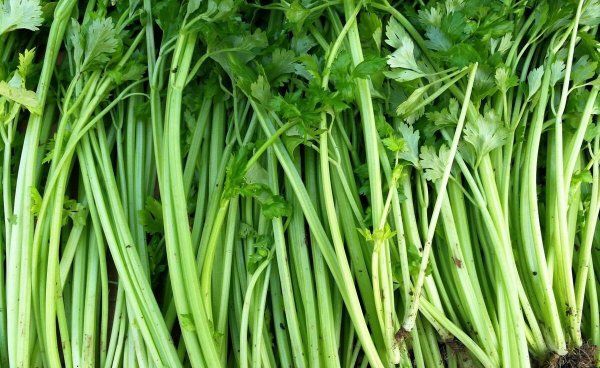
Summary
In order to be better able to ensure the production and quality of celery, we farmers must apply rational and efficient cultivation techniques. Leaf diseases are an easily produced disease in the celery growing process, and farmers must use scientifically sound techniques to prevent them, minimize the damage to celery caused by foliage and improve the quality and production of celery。
The green network above
Www. Lvzhimi. Com
It's about increasing celery production and detailing all the techniques used to grow celery









