


The fragrance is the white wood fragrance of the rhesus plant and the fragrance contains resin. It is produced in guangdong province and in guangxi, fujian provinces; it is produced in indonesia, malaysia, cambodia and viet nam。
Experiments since 1970 in the testing of wild “sunking”, “sinking” and new varieties of “sinking” have shown that multiple forms and methods of seeding take many forms and methods, combining better mature cultivation techniques, as described below。
I. Methodology
Reproduction with seeds. The seed, which is cut off from the fruit skin, is planted on the plume at a distance of 15 x lorcm, at a depth of about 1. 5 - 2 cm, at a scale of 1765 g per 1,000 seed grains, at a rate of 5 kg per acre, at a rate of 5 cm per acre, at a rate of about 45,000. When it's 10 cm tall, it's fixed. Experiments are also being conducted to reduce the planting cycle by a single x 1. 5 m of specification, starting with cholesteracteria in 4 years and taking incense for 6 years。
Selection and landscape
The soil is less demanding, tilling the ground first, digging caves at a range of 2 x 1. 5 m or 2 x 2. 5 m, i. E. (200 - 150), with 40 cm in width and depth, applying decomposed organic fertilizer of 4000 - 500 okg per acre, and planting it back to the ground。
Iii. Planting
Usually in autumn. By the following year's rainy season, 30-50 cm high, the plant can be established. A seedling grown with a nutrition bag is designed to remove a plastic bag and plant it in a cave, bury it and water its roots, with a high rate of survival. With a balconian seed, the plant is designed to cut down the side branches and leaves, and the top leaves are cut in half。
Iv. Study
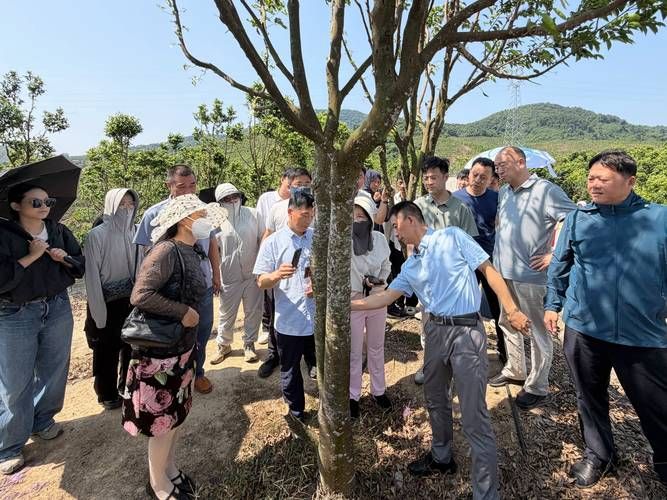
Short-term crops, such as maize, soybeans and cassava, can be grown between early ages, making full use of land transport and appropriate shades. Under adult trees, we can plant shade-resistant medicinal plants such as sandbreeds, euphoria and white beans。
V. Field management
I. Shrimp management
Sea nam, also known as the white wood seed, has grown rapidly. And the seedlings are not resistant to drought. After the seedlings are moved, the water will be taken one time and the soil will be wet. If there is no natural shade, it should be covered. Weeding is done once a month in may-august to prevent weeds from covering small seedlings. Properly trim the branches and cause the trunk to grow. After 15 cm height, every two months, fresh manure is carried out one time, with appropriate increase in concentrations following the growth of the tree. The 1-1. 5a pack is 50-80cm high and the seedlings above nudity are ready for planting。
Post-plant management
Initial management
In the early stages of planting, water is timely, depending on weather conditions: weed pine soil is removed once every 1-2 months at an early age and weeds are covered around the caves; fertilized 2-3 times a year, dry season is applied to human manure or sulphate, urea is applied to water; and organic fertilizer is applied during the rainy season to open ditches every week with calcium phosphate. Growing-age tree ditches increase organic and green fertilizer. To promote the backbone. It's good for the future. We're going to have to get rid of the side branches, the infirmities and the twigs. Shortages are filled in time。
General management after age
A pine soil weeding
The white wood fragrance is followed by two pine earth weeds per year. It's going to take place before april-may voltage and in late autumn and early winter in august-september. Cleared weeds will be covered around the silver field, which will be turned over year after year to the ground, adding organic matter。
B fertilizers
Fertilizers are applied at least once a year, and before spring starts in february-march, human and animal urine can be applied to stimulate stings, sprouts and accelerated growth. Where there are conditions, in the months of september-october, the application of rotting organic fertilizer and the reverse weeds are then carried out in ditches (caves) and fertilisation is increased as the age of the tree increases。
C crop
The white wood is a tree of dry condensed fragrance, so it's mainly promoting the growth of the main dry, which is favourable, and must be trimmed in due course. Cut the upper branch, the sick branch, the secret branch, gradually。
Vi. Pests and their control
1. Sapling atrophy
The aging of the seedlings occurs in the nursery, and they die of it. Old seedbeds, poorly drained water, intensive cultivation, disease-prone methods: 1 pre-plant septic bed, rational planting, timely removal of strains and use of 70% digsone, 1000-1500 times liquid, 50% polybacterium, 800 times liquid irradiated soil, 2-3 times in each case 7-10d。
2. Charcoal disease
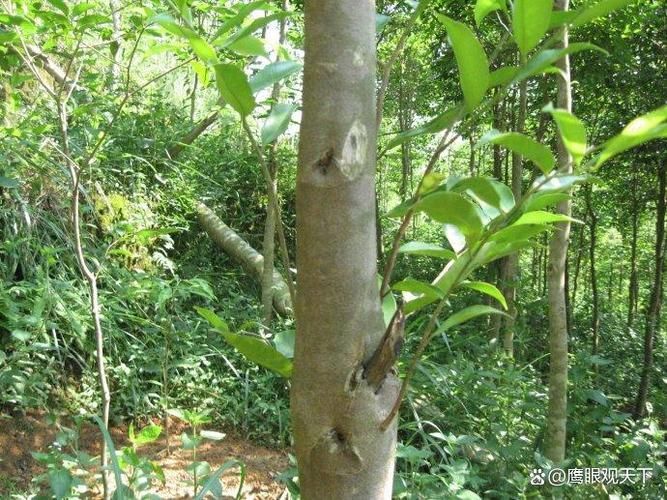
Charcoal disease endangers the leaves, initially brown, and then spreads in circular, elliptical and irregular shapes, some of which appear in a wheeled pattern and fall during severe periods. The rain is damp and the dew is fragranceful. Method of prevention: 80 per cent of the papi 600-700 times the fluid or 75 per cent of the acreage 4000-600 times the fluid 2-3 times, with an interval of 7-10d。
3. Voltaworms
Every year between spring and autumn, the leaf is rolled up by larvae and the larvae is hidden from the internal frogs to eat the flesh of the leaf, which reduces light co-operation and affects normal growth. Methods of response:
A artificial extinguishment. It was found that the leaf was cut out in time, buried in depth and reduced the pest, which was the main pest of the white wood and ate all the leaves in the event of serious damage。
B the agent control can be sprayed at 5-7d and 2-3 consecutive times with 25% insecticidal fluids 500 times the fluid before the infestation leaf or during the early incubation; or 80% dichlorvos cream 600-1,000 times the fluid。
Four, tin ox
The larvae enters from the stem, branch or stem, or tree-head frog, chewing on the wood, and dies of the tree dry when the damage is severe. Method of prevention: artificial ovulation of eggs or larvae; 80% of dichlorvos 800-1,000 times the fluid, followed by slush seals when frog holes are found。
Five. Golden turtles
Tortoise worms tend to endanger the seed, seed and flowering seasons. It's also the main pest of white wood, the method of control: 80% by-catch or spray of diarrhea 1,000 times the fluid。









