


As the global economy develops and people's living standards rise, coffee has become a daily drink for an increasing number of people。
However, issues such as resource consumption and ecological damage during coffee cultivation are also becoming more prominent。
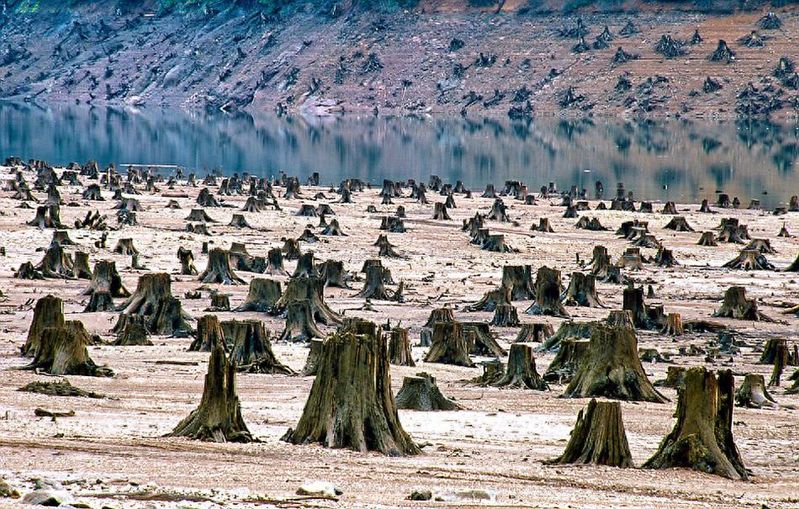
Thus, the question of how to secure coffee production while achieving sustainable development is an urgent one for the coffee industry。
This paper will explore the optimal model of coffee stereoculture in order to provide new ideas for green agriculture development。
The concept and meaning of coffee stereoculture
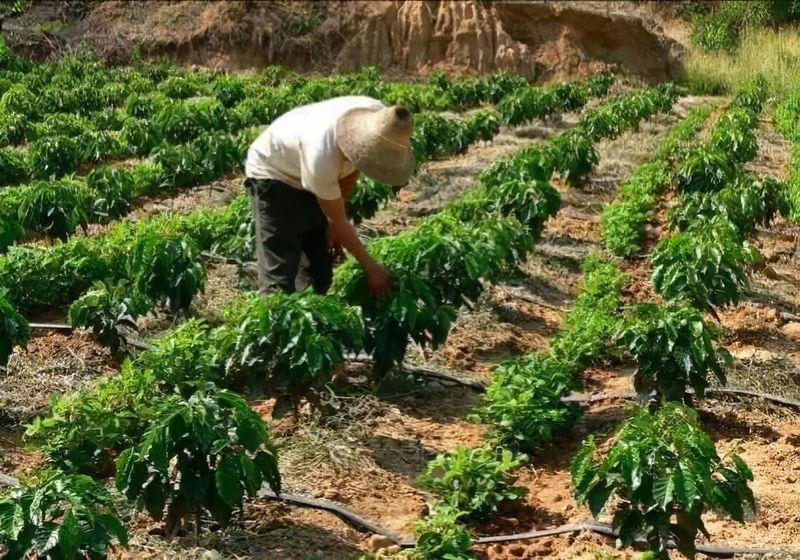
Coffee stereoculture means the full utilization of land resources and the improvement of the productivity and economic efficiency of the unit area through various forms of cultivation, such as terraces, fishbones, towers, etc., in coffee plantations。
The use of this new form of cultivation not only improves the quality of coffee but also reduces production costs and environmental damage. This is in the interest of sustainable industrial development。
The advantage of coffee stereoculture
1. Increasing production:
Stereoculture increases the production of a unit area, making coffee trees more abundant through multi-layered cultivation, making full use of sunlight, air and other natural resources。
Studies have shown that coffee plantations using stereoculture have produced more than 30 per cent more than traditional flatland cultivation。
2. Improving quality:
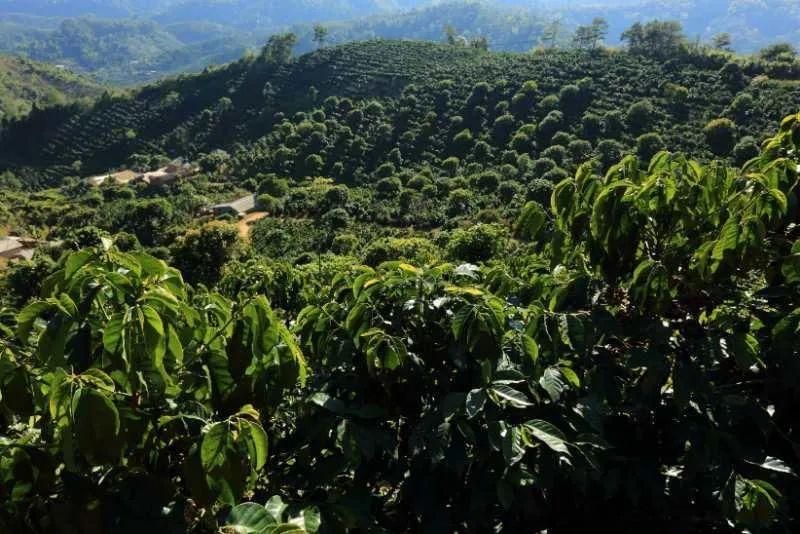
Stereoculture helps improve the quality of coffee beans。
The growth of coffee trees can be more evenly balanced through rational plant spacing and line spacing, which can help improve the quality of coffee beans。
It also reduces the incidence of pests and diseases, reduces pesticide use and improves the safety of coffee beans。
3. Resource savings:
Stereoculture can effectively save land resources。
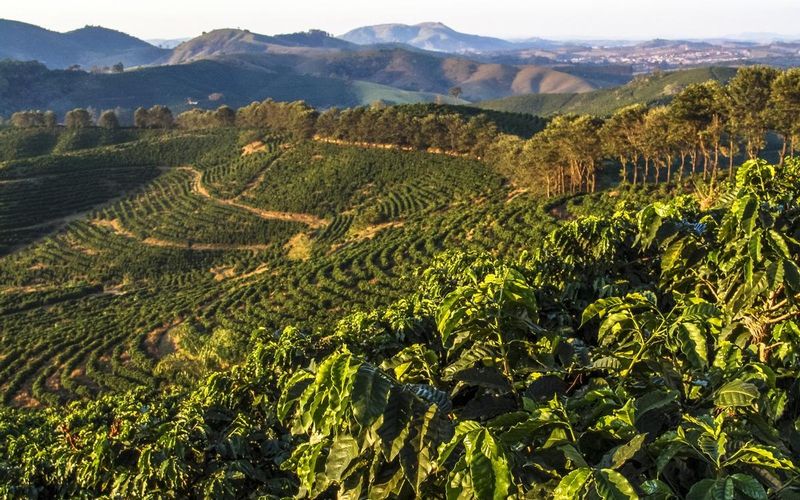
The use of flatland resources is reduced through the cultivation of terracing, fishbones, etc., making full use of terrain features such as slopes and hills。
It also saves water resources and reduces the cost of irrigation. There is also some protection of the ecological environment。
Optimization of coffee stereoculture
1. Tunnel farming:
Treading is the most common form of stereoculture, with multilayered cultivation through the construction of a platform of steps on the slopes。
It can also reduce the occurrence of pests and diseases and the use of pesticides。
Fish bone cultivation:
Fish bone cultivation is the sorting of coffee trees according to their bone shape and is applied to the slopes for peaceful cultivation。
Production per unit area has increased through the full utilization of sunlight and air resources。
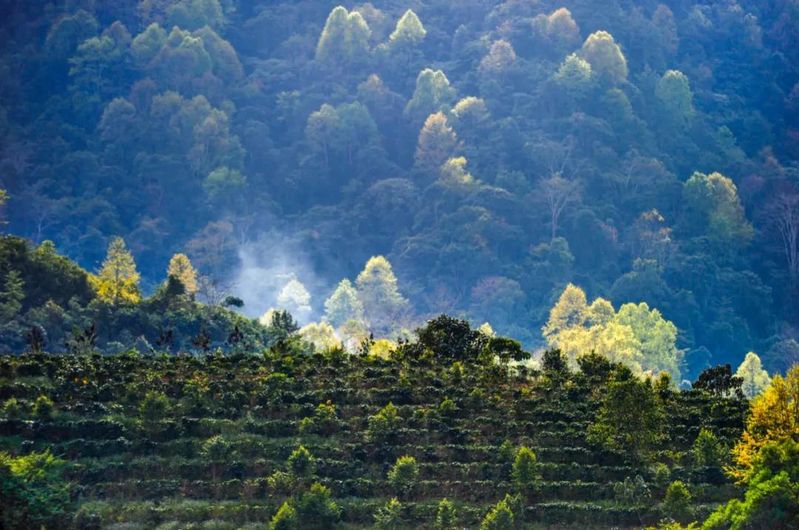
3. Tower culture:
Tower-based cultivation is the planting of coffee trees on multi-storey towers for mountain and hill areas。
Land resources have been used effectively。
Coffee stereoculture is a green agriculture model with great development potential。
An increase in unit area yield, upgrading of quality, conservation of resources and protection of the ecological environment can be achieved through the use of various planting methods, such as terraces, fish bones and towers。
In the future development of the coffee industry, we should actively promote stereoculture technologies and contribute to green agricultural development。









