


The hour is clear, and the rain is pouring forth. For the majority of garlic farmers, the festival is not only a busy point for spring farming, but also a “gold window period” that determines the final production and quality of garlic. At this point in time, garlic is at a critical start in its expansion, a critical moment in the transition from what is commonly known as the “morbid period” to the “duration period”. Industry farmers have stated that the precision of the “three moves” of water manure control, leaf protection and integrated pest and disease management at this stage would effectively facilitate the fragmentation and expansion of garlic cells, achieve a significant increase in the weight of one head and make ordinary garlic an amazing “fisting-up” of garlic。
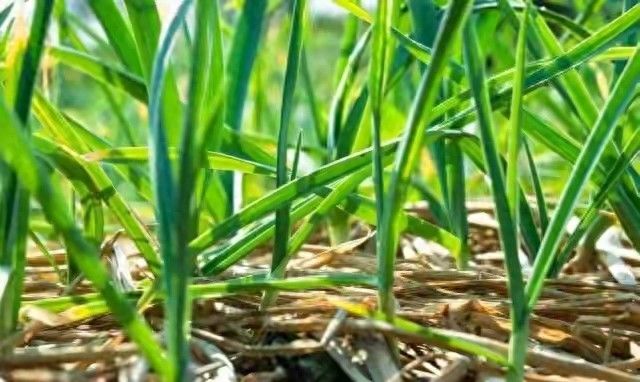
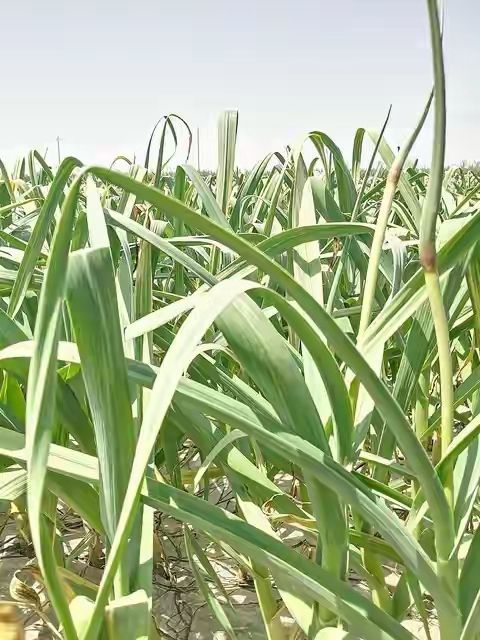
The first trick is to “feat, co-opt, accurate”. The temperature rises rapidly before and after the light, and the garlic growth centre is completely shifting from leaf blades to underground poles. At this point in time, the lack of adequate nutrients or water disruptions can easily lead to small, loose and even “bread garlic”. According to an expert from the vegetables institute of the provincial academy of agricultural sciences, this phase needs to be re-enacted with “inflated fat”. It is recommended that 20 to 25 kg of potassium complex fertilizer per acre be followed, together with 10 kg of potassium sulphate, and that nitrogen fertilizer be strictly controlled in order to prevent the greening and ripening of the plant and to affect garlic enrichment. Water-watering strategies should be based on the principle of “wet-watering with little water”. Increased soil evaporation after light is required to maintain relative soil moisture between 70% and 80%. The plume of water has caused water to accumulate in the fields in order not to cause oxygen-depletion and prevent nutrient absorption. Especially seven days before the harvest, water must be stopped to ensure that garlic is dry and stored. The precision of water fatting can provide a constant incentive for garlic expansion and lay the material foundation for “big head”。
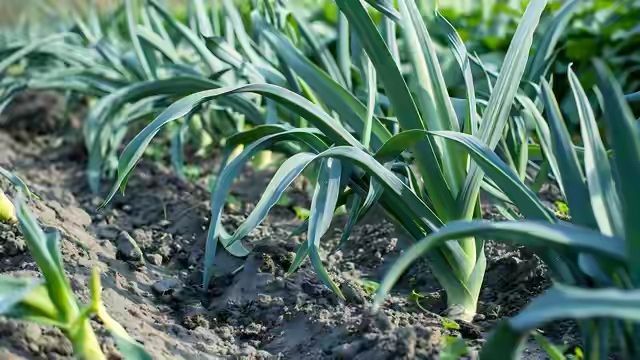
The second focus was “father protection to slow ageing”. More than 60 per cent of garlic production depends on the transfer of photocolumn from functional leaves to the underground. With temperature fluctuations and increased rainfall, the lower leaves of garlic are prone to early defoliation, cutting the source of garlic directly. To this end, the agro-technology sector has been promoting leaf spray technology. It is recommended that the potassium phosphate solution (at 0. 3% concentration) be sprayed every 7 to 10 days before and after the clean-up, and that it be combined with thaline or carbamate biostimulants. Such a measure would not only significantly increase the efficiency of photo photosynthesis but also increase the resilience of plants and prevent inversion and premature decay. In particular, urea solutions may be added to seedlings in appropriate quantities for weaker plots. By extending the green life of the functional leaves, ensuring that the garlic swelling period, the plant still has a strong “manufacturing plant”, and by converting more photo-composed products into starch and sugar to garlic, it will physically support the amount of garlic and fill it up。
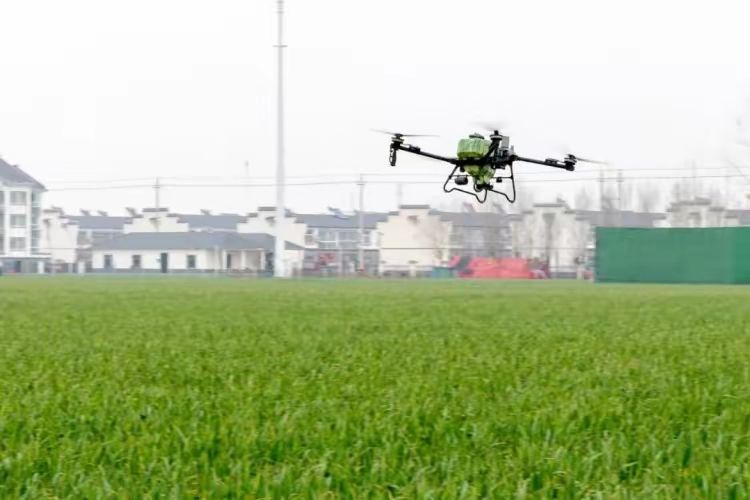
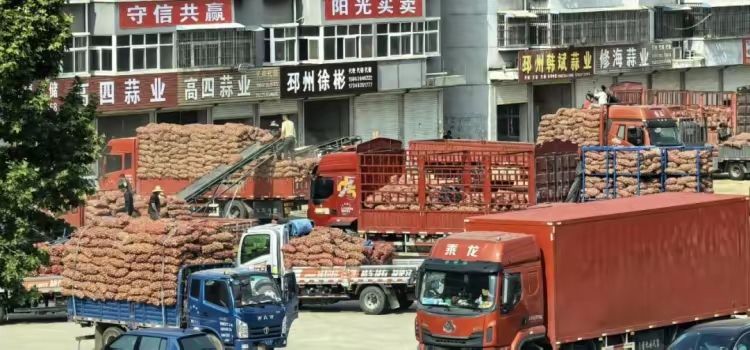
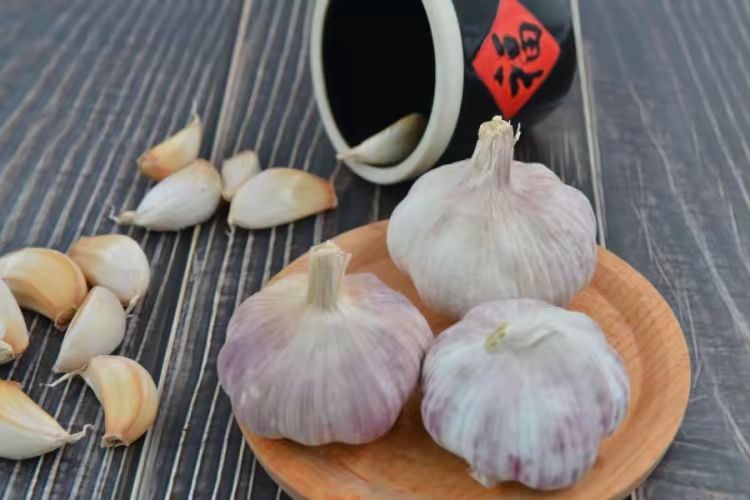
The third is “prevent the disease and build the foundation”. High-temperature, high-moisture, clear climates are breeding grounds for bacteria and active pests. The outbreak of falciparum, purple spots or garlic maggots at this time will lead directly to a reduction or even a loss of production, even less to the high target of “fist”. Plant protection experts stressed the importance of maintaining a “prevention-oriented, integrated approach”. In case of foe diseases, high-efficiency, low-intensity fungicides such as etheracium, thoride esters may be selected for alternate sprays, with a focus on protecting functional leaves; in case of ground pest garlic mackerel, thorium or thiphosphorus particles can be applied with water during water watering, larvae larvae may be ingested and root system vitality protected. In addition, artificial weeding cannot be ignored, and weeds not only compete for nutrients but also tend to become pest hosts. To ensure that garlic roots are well developed and robust, through the construction of a rigorous biological safety net, and to create the best environment for the barrier-free expansion of garlic。
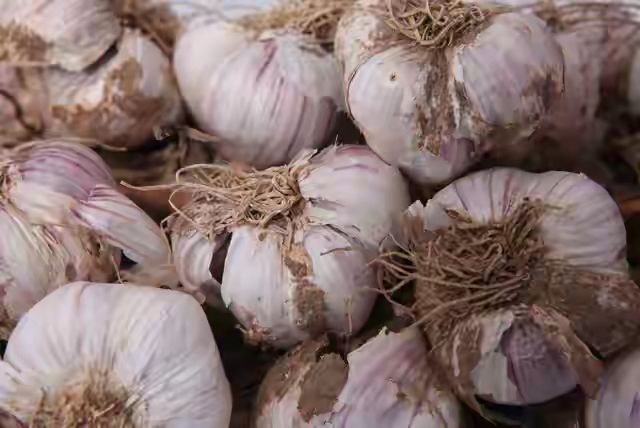
In the light of what has been said above, the qing dynasty garlic management is a system engineering exercise that cannot be tolerated. Regional agricultural technology extension centres have sent several teams of experts into the fields to guide farmers in implementing the three key technical measures described above. It has been proven that those growers who strictly apply the three techniques of “precipitation, leaf proliferating green, integrated pest control” have on average increased by more than 30 per cent the average head of garlic over conventionally managed plots, and that some high-quality plots have produced “circle garlic” with a diameter of more than 6 centimetres and a single weight of more than 80 grams, which is almost double the market price of ordinary garlic。
At present, it is at a decisive moment in the formation of garlic production. The broad range of garlic farmers should focus on identifying this critical agricultural sector, moving away from the crude management model and towards precision, scientific field management. Only by putting in place every technical detail can the gifts of nature be maximized, real efficiency gains in the garlic industry be realized, and small garlic be turned into a “bump” for farmers to become rich, yet another harvest year。









