


Hello, i'm the tea industry, and i bring you up to date every day
The first thing to do when the chili picks are finished is to just pull up the pepper plant and clear out the garden or the shed. In many people's inherent sense, peppers are a year-old vegetable, and when the fruit is harvested, the planting mission is completed, leaving the land in the ground only to occupy the land, breed the ovarian disease and remove it directly。
However, a number of old farmers with many years of experience in planting are doing very differently. They are not rushing to take root, but rather to use a simple set of root management methods to conserve the piprika roots over the winter. When the spring begins, the roots re-emerge, without replanting, with faster seedlings and earlier cutters. According to a number of agricultural surveys, hot peppers can be put on the market 50 days ahead of regular spring-planted plots, and an acre can yield up to and down to $1,500。
Let us be clear about a key point: chili is essentially a multi-year pyrotechnic plant, but open-air cultivation in the country is mostly considered a one-year cultivation. As long as the roots are properly protected and the winter is not frozen, the next year will be able to re-emerge the branches and make the chili. However, the rooting method is not applicable to all areas and to all chili varieties, and there are geographical limitations, and it is very difficult to make a successful winter break for the north, which is severely affected by the cold freeze. The four-step operation, the applicable conditions, the risk elements and the revenue logic are set out below in one-time terms and are suitable for reference by growers。
First of all, understand: why we can grow roots in the morning and make more money
The routine spring planting of peppers is the process of managing the seedling beds in the spring for about two months, shifting the seedlings, slowly spreading the branches and flowering the fruit. It will take a long time just to raise the baby。
The process of replanting the roots in winter has saved the whole process of breeding, shifting and slowing down. The roots of peppers have matured in the soil, the roots have developed, and after spring temperatures have recovered, they have developed directly on their sides, growing much faster than the seedlings。
1. Listing 50 days in advance: premature chili is highly volatile, and the more the market is, the higher the purchase price. When large areas of new peppers are brought on the market and the market is well supplied, the purchase price will decline rapidly. It's over a month in the morning, and it's just in time for the high-price window。
2. Cost savings: saved from the purchase of seeds, seeding base, nursery labour, transplantation. A single acre is a considerable expense。
Production bottom: mature roots are more capable of absorbing water fertilizers, pre-term branches are faster, and pre-term hangings are higher。
Why say an acre makes an extra $1,500? Simple dismantling. In the early spring mornings, the purchase price is usually $1. 5 to $2. 50 per pound higher than the peak season. The first acre of pepper production in the preceding period was about 1,000 pounds, and the price differentials resulted in gains, less the cost of farm labour for conservation and winter protection, and combined an additional acre of $1,500 to be measured by many southern farmers. Of course, this is not a fixed value, and market conditions, the climate of the year, the level of management will affect the final returns, and the gains will be less when they fall。
An important reminder: this approach has a geographical threshold. In the open environment, where the minimum temperature of winter is long below 5°c, it is not recommended that the root system freeze to death as it lasts. The cold winter temperatures south of the yangtze and south-central china are more suitable for the root causes。
Two or four steps to get to the bottom. One step to the bottom
First step: to keep the plant in later stages, with a root of the fruit
The last pick of pepper is clean, no fruit, no fruit on the branch. Remove all the little peppers and malformations from the plant。
Operational elements:
1. Only strong plants are retained, and sick and weak plants are removed from the ground. The roots of the disease are the carrying of the disease and the outbreak of the disease in the second year after winter is not lost。
2. Do not cut all branches at once. First, the leaves are kept for about 20 days, normally watered, with a small application of potassium phosphorus and no nitrogen. Nitrogen fertilizer increases the length of the branches and consumes root nutrients; phosphorus fat is used to feed the roots, allow the nutrients to flow back and store them in the root。
Many farmers are vulnerable to pits: cutting the branches immediately after the chili has been removed, the roots lack foliage and co-operative supply nutrients, the roots are under-stocked and the winter survival rate is significantly reduced. After 20 days, the nutrients flow back to the root, and the next cut is done。
Step two: rational cutting, short cut
After 20 days of rooting, we started to trim the pepper plant。
Operation: cut off all branches of the upper part 15-20 cm from the ground. Only the backbone would be retained and all the thin and sick branches removed. Cuts are as smooth as possible to avoid tearing the bark。
After cutting, a little multibacterium can be sprayed in the mouth to prevent infection in the wound。
Purpose: shorter branches on the ground, reduced consumption of winter nutrients, and easier subsequent rooting。
Step three: clean-up of the fungi, root roots (core steps)
Cuts were completed, and leaves, weeds and branches were cleared, which were easily contained in eggs and fungi. A simple application of a broad spectrum microbicide on the ground reduces the winter insect base。
It then began to bury the ground: around the root of the pepper, it was taken from the line, covered in the base of the pepper, which was controlled at 10-15 centimetres and buried in the whole of the backbone。
In the case of cold areas during the winter, the soil is then covered with a layer of straw, straw or membrane to keep the ground warm and humid, and to prevent too much damage to the roots of the soil from dry and wet。
Beware of the earth: do not use large pieces of hard soil, the earth is sewn large, and cold winds are easy to enter and freeze the roots; use as much as possible of the looser earth。
Step four: winter water is frozen and springs grow
When the roots are completed, water control is the key throughout the winter。
Soils maintain microdrying and soil moisture is the leading cause of death in the winter of chili roots. Temperatures in winter and water accumulation directly cause rotting roots. Only when the soil is particularly arid is there a small amount of water recharge, which is strictly forbidden。
When the next spring begins, the temperature rises steadily, and the temperature continues to be above 12°c during the day, the roots can be removed and the main stem exposed。
After the earth had been taken, water was poured over once, together with a small amount of water soluble, to stimulate the growth of the base. After the new sprouts grew, only two to three strong sprouts were retained, the remaining weak sprouts were wiped out and concentrated on feeding the strong branches. Follow-up normal management of water fertilizers, waiting for precipitating flowers。
Iii. Which pepper varieties are suitable for root regeneration? What's not recommended
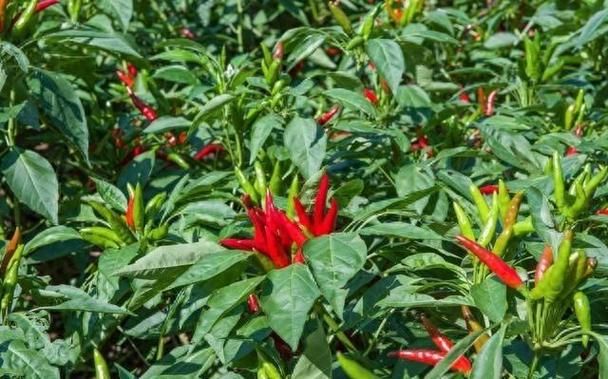
Suitable: wire peppers, chili peppers, some of the thick leather peppers, highly resistant and well-developed varieties, with high recovery rates。
Not recommended: some thin-skinned peppers, anti-disease hybrids, with low survival rates over the winter, do not recommend attempts。
The same plot should not take its roots for years. Over the years, roots have been grown, soil endemic diseases (e. G., corruption, disease, death) have accumulated over the years, and the second year is prone to widespread outbreaks and death. It is recommended that roots be established for up to two consecutive years, followed by alternative crops。
Iv. Five of the easiest pits to step on in winter
Pocket 1: water in the ground, dry roots in winter
Many farmers do not have proper drainage after they have buried their roots. In autumn and winter, heavy rains and the accumulation of water on the plots of land, the roots of low-temperature environments are directly decomposition. Land parcels must be drained early and quickly removed after the rain。
Pit 2: the strain stays in the ground for winter
The plant is still alive, but its roots are already infested with decomposition, with its roots crumbling through the winter, and the fungus passing through the soil, and the whole plant contracting the disease following the gestation of the next year, seriously reducing production。
Pit 3: land is too thin, root frost wound
In winter, cold air hit, the soil was not thick enough and the roots were frozen directly. The low-temperature areas, which are not covered enough, must be covered with straw or membranes。
Pocket 4: scratch the earth early in spring
It is common for spring to fall into the cold, and if the temperature is still unstable and the dust is removed early, the cold flows after the new buds rise, the buds are frozen and the past is abandoned. It is important to wait until the tide is completely over and the temperature stabilizes。
Pit 5: no disease prevention on the roots
The greatest risk of re-emergence is endemic disease. After the spring has sprung, the root causes of the disease are ploughed early to prevent the disease and not wait for the plant to die。
V. The trade-offs between the two patterns of cultivation
Root regenerative mode
Advantages: loss of seedlings, saving of artificial seeds; morning city, taking over the high price; rapid growth ahead。
Shortcomings: climatic constraints, which make open areas in the north unfeasible; increased incidence of endemic diseases from successive years of planting; the weakness of growing plants over new seedlings during the year, with subsequent production prone to decline; and the risk of winter failure and full military collapse。
Spring planting patterns
Advantages: saplings are strong, disease is manageable and output is stable at a later stage; they are not subject to winter temperatures and are available in most parts of the country; new varieties can be replaced。
Shortcomings: long child-rearing cycles, high labour and seed input; late listing and low head price。
So rooting isn't everything. It is suitable for the south's open-air and hot pepper growers who want to raise prices in the early spring and are willing to manage their diseases. If the local winter is cold or if the plot is chronically ill, do not try blindly。
Vi. Day-to-day management details, deciding whether to make an extra $1,500
1. Fertilizer management: after the onset of the spring, nitrogen-based fertilizers were used in the preceding period; after the flowering of the current beet, phosphorous potassium fertilizers were applied to promote sitting fruit. A small number of multiple fertilisations and no one-time fat-burning roots。
2. Insect and pest prevention: the focus of old plots is on aging, disease, aphids. Priority is given to prevention, rather than waiting for the widespread occurrence of disease。
3. Timeliness: after a new sprouts, the excess sprouts will be eliminated in a timely manner, and ventilation will be guaranteed and the disease reduced。
4. Harvesting: precipital peppers grow to commodity fruit standards, collect in a timely manner, not for too long, and consume nutrients, affecting subsequent and sustained results。
Vii. Comprehensive summary
The chili picks are over, there's no need to take root. As long as the local climate is right, the rooting method is four steps: root stocking and rational cutting. The ground is covered in winter and cold-proof water is re-emerged in the coming year, allowing it to be marketed 50 days ahead of conventional seedling plants, seizing the early spring window, with a potential for an additional $1,500。
However, it is important to bear in mind that this planting technique is geographically limited and diverse, and is not available everywhere. The winter is cold, the terrain is severely ill and poorly drained. The greatest risk of growing roots is the freezing of winter and endemic diseases, with drainage, microbicide and temperature protection to improve survival. Cultivation is preceded by local climate, small-area testing, and then successful expansion, reducing the risk of cultivation。
Topical discussion
Have you ever tried paprika for second year replanting? Do you think that's a good way to go? Is it the disease or the water fertilizer you find the hardest to manage? The comment section is open for comment. If you want to see more vegetable gardens, daejeon grow practical agricultural goods, you need to pay attention









