


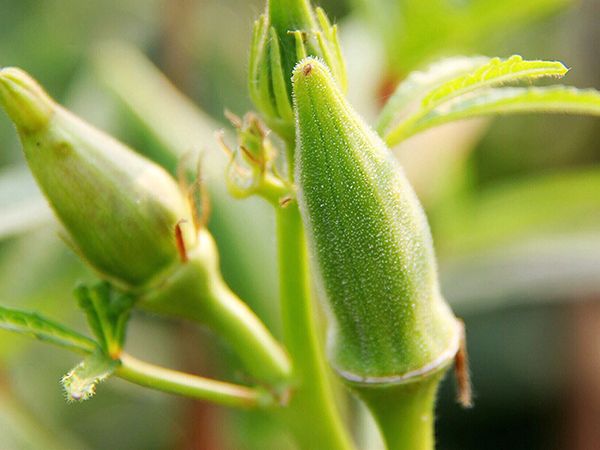
Autumn is a nutritious, relatively simple-managed vegetable suitable for growing in warm seasons. Its nuts, rich in food fibres, vitamins and minerals, have been popular in recent years in domestic and foreign markets. In order to grow good autumn, it is crucial to have the right planting time and the right planting methods. This paper details the whole process from seeding to harvesting, helping growers achieve better harvests。
I. Autumn properties and planting times
1. Autumn growth habits
Autumn, as a typical tropical crop, has four main characteristics:
Temperature sensitivity: seeds germinate at 25-30°c and have long-term average daily temperature > 20°c
Combating drought and floods: the roots are well developed, but the water is perishable root
Strong light demand: 6 hours per day for direct light
Shorter cycle: 50-70 days to seed
2. Optimal planting time
The planting hours in the country's three main production areas are as follows:
South china: from late february to early march, from late july to mid-august
Yangtze river basin: spring broadcasts concentrated between mid-april and early may, with higher risks in autumn
North china: temperature and stability between early may and early june 15 °c, recommended for early spring breeding
Ii. Standardised autumn growing technologies
1. Varieties selection and seed treatment
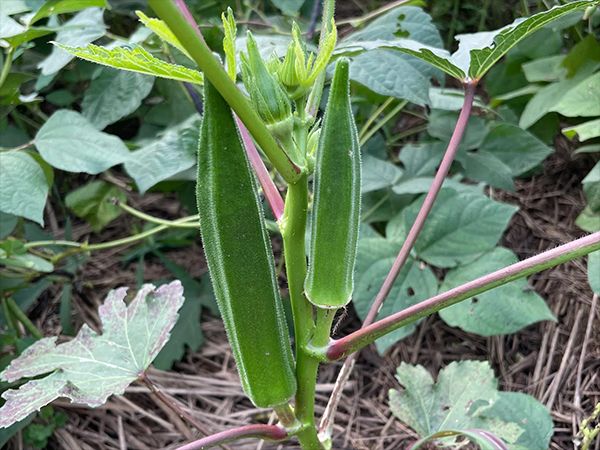
Precedence is given to a variety of premature pentagons and emeralds that are resilient. Three steps before seeding:
(b) 15 minutes of immersion in warm water at 55°c
(b) 12 hours of constant fresh water impregnation
25-30°c environmental seed seeding to 50% white。
2. Whole area
It is recommended to select a sandy soil with a ph of 6. 5-7. 5, mixed with 2000 kg decomposition organic fertilizer + 30 kg compound fertilizer per acre during deep cultivation. High-strength cultivation, 80 cm wide, 40 cm wide and 25 cm tall, effectively protected against the root of flooding。
3. Sowing techniques
Live: 3 grains per cave, 2 cm cover, 0. 6-0. 8 kg acre by 60 cm range
Cultivation: in the early spring, nutrient-based seedlings were used, with 3-4 real leaves being planted with soil and water immediately after planting
4. Field management points
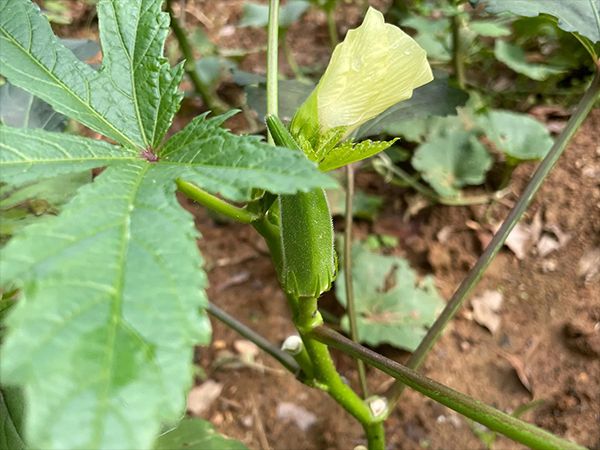
(1) small seedlings
For the first time, two saplings were kept, and for the last four saplings, single saplings were eventually established, with timely replanting in the short spot。
(2) fertilizer management
The soil is moderately humid during the seeding season, with increased demand for water subsequent to the present bereavement. We'll catch up with you
Shrimp period: 2 rare dung (1:10 dilution)
Current period: acre application of 15 kg potassium compound fertilizer
Phenomenon: 5kg urine per harvest su
(3) plantation adjustment
The basic leaves are removed in a timely manner and the upper 6-8 leaf is retained. When the plant is up to 1. 2 m, the side branches are promoted。
(4) pest management
Disease prevention and control: 58 per cent of mercuric manganese zinc 500 times the fluid, 70 per cent of methtobuzines sprayed with foliage 80 per cent liquid
Pest management: aphids use cedar + 10% aphids 2,000 times the fluid and cotton bells use 5% acetal salt 1,500 times liquid
Iii. Receivation and receivation
1. Acceptance criteria
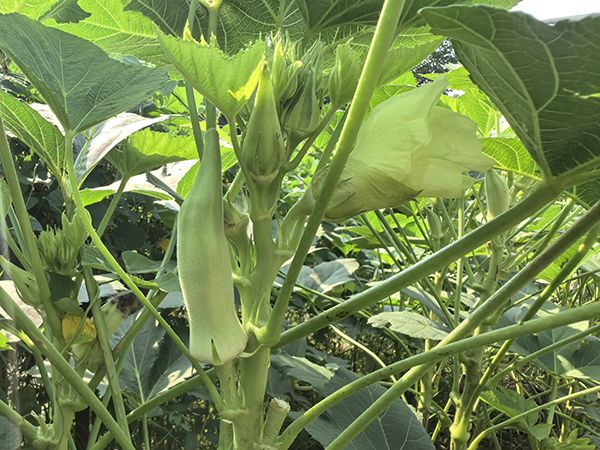
The optimal harvest period is 5-7 days after flowering, with 8-12 cm long and microsoft by hand, and it is recommended to operate at low-temperature hours in the morning。
2. Post-treatment
Ranked by length: special 10-12 cm, first class 8-10 cm. The pre-colding to 10°c within 2 hours of extraction, the storage environment is maintained at 9-10°c, and the humidity is 90-95%, with a minimum of 7-10 days。
Question answers
Q1: why didn't the sunflower bloom? High temperatures (>35°c) cause pollen to fail and can be improved by artificial pollination or spraying of 0. 2% boron。
Q2: what if the fruit gets hard? As a result of the late harvest, the timing of the harvest is strictly controlled, while the water supply for the fruit period is guaranteed。
Q3: how to increase acre production? Select hybrid varieties, with a two- to three-year rotation, and adhere to the alternate harvest。
Q4: what about fruit malformations? A 0. 1% boron solution is sprayed on the folate due to lack of boron。
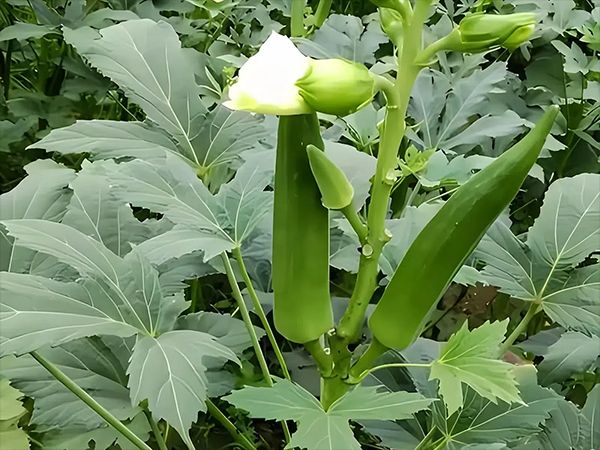
The above is the condition and method of planting the acorn. Autumn cultivation is not complex and can be successfully harvested with attention to temperature, light and water management. The autumn can grow robustly and produce a lot of results, whether it is a professional garden or a home garden, managed according to scientific methods. It is hoped that these planting points will help you。









