


High-yielding cultivation of tomatoes
Selection of good varieties: selection of tomatoes suitable for local cultivation, based on local planting conditions。
In due course: in general, seeding takes place in march or august of each year, subject to regional adjustments。
Reasonable density: the range is 40-50 x 30-40 cm and adjusted for soil fertility。
Scientific fertilisation: sufficient base weight is applied, followed up once after planting, when flowering, after eating fruit。
Cutting leaves: during the period of growth, extra leaves and over-crowded leaves are removed in a timely manner。
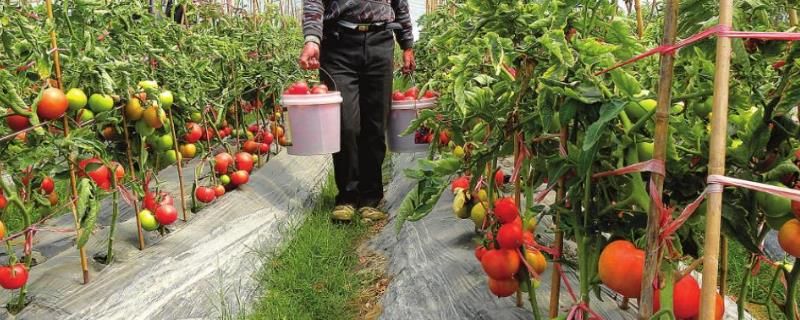
I. High production methods for tomatoes
1. Selection of good castes
(1) a good variety is the basis for high production, and today the market is full of tomatoes, which are quite numerous, but you will find that different varieties of tomatoes have different tastes, some of which are very, very good, some of which look good, some of which look bad, and so on, because different varieties have different effects in different regions。
(2) as a result, species are usually selected according to the specific conditions of the location, for example, in the hunan region, where drought- and disease-resistant varieties are selected。
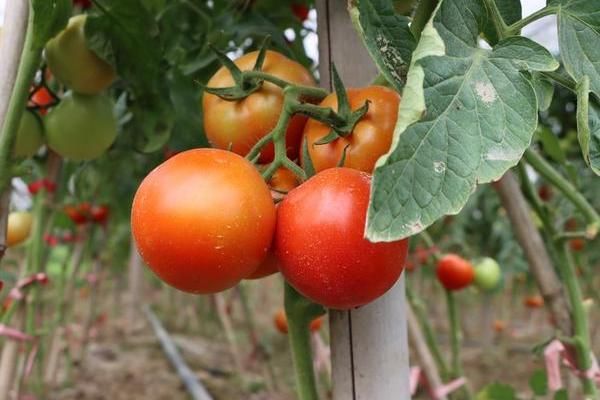
2. Scropping in due course
(1) the planting of seeds at the right time is also an important condition for high yields, as there are more varieties of tomatoes today and there are some variations in the climate across the country, so different varieties and different regions have different planting times.
(2) in the north-east and north-west regions of the country, for example, tomatoes can be grown over two seasons, in march and june of each year, while in the north-western part of the country they begin to sow in january and february of each year, but the usual areas are basically in march and august of each year, so you can see which part of the country you are in and then plant according to scientific time。
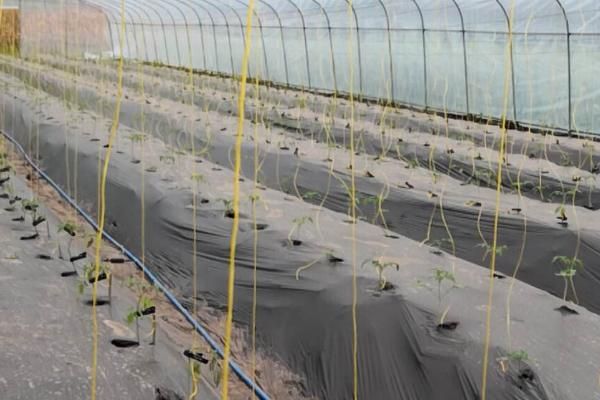
3. Reasonable density
(1) the production of basic crops and fruit, medicinal products, etc. Will all be related to the density of cultivation, so tomatoes will be the same. They will be managed in accordance with the variety chosen and the fertility of the areas where they are grown. In normal cases, more than 500 or 600 hectares of land will be grown, but in the case of poorer soils, the amount of cultivation will be increased in modest quantities, while the amount will be reduced under more fertile conditions。
(2) the distance between rows is usually between 40 and 50 centimetres, while the distance between rows is around 30 to 40 centimetres, which facilitates later field management of chickens, while the tomato plant has some stretching space to allow for light cooperation。
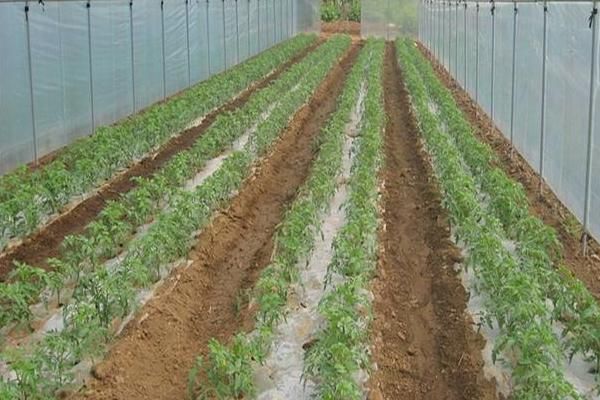
4. Scientific fertilization
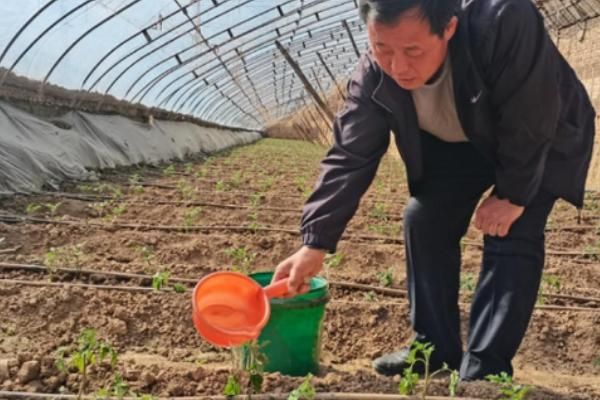
(1) tomatoes are subject to multiple fertilization over the long term, in addition to dematation。
(2) the first fertilisation is required after planting, this urea can be used to promote seedlings, and the second fertilisation can take place when tomatoes bloom, this time with potassium and phosphorous fertilizers, which can act as a boost to flower blooming and conservative fruit, and the third fertilization can be divided into multiple fertilisations, since tomatoes can be harvested in batches, so that a fraction of the leaf fertilizer can be sprayed after each harvest, so that the effects of the fruits can be strong and the fruits mature。
Five, cut the leaves
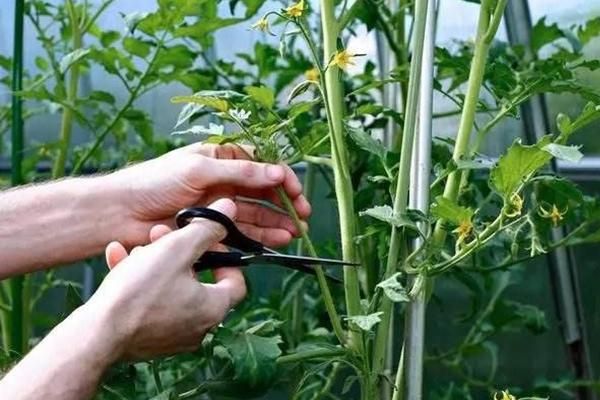
(1) as tomatoes grow, there are a number of side branches, and many people feel that more side branches mean higher outcomes, which is not the case, and if there are too many side branches, the greater the nutrients consumed, despite the fact that there are a lot of tomatoes, and few of them of good quality at the end。
(2) it is therefore common to trim all the excess leaves, then to retain only the backbone and parts of the side branches, and then to remove the more dense leaves where the result is, so that the plant can better absorb nutrients and luminous co-operation, and so that there is better penetration in the field, which also prevents a great deal of disease。
Can we grow tomatoes in october
1. Tomatoes can be grown in october, but they need to be planted in greenhouses and not recommended for field planting, which would otherwise lead to freezing of the plant at later temperatures, which would be difficult to manage and would affect the ratio, preferably in january-march or july-august。
2. After the tomatoes were planted in october, the temperature in the shed was kept at around 22°c, the temperature differential was stabilized at 12°c during the day and night, and after entering the nursery period, the leaves were properly fertilized, maintained once a week for two consecutive weeks and followed up once in the event of the appearance of four leaf leaves in the seedlings。









