


Potato-01
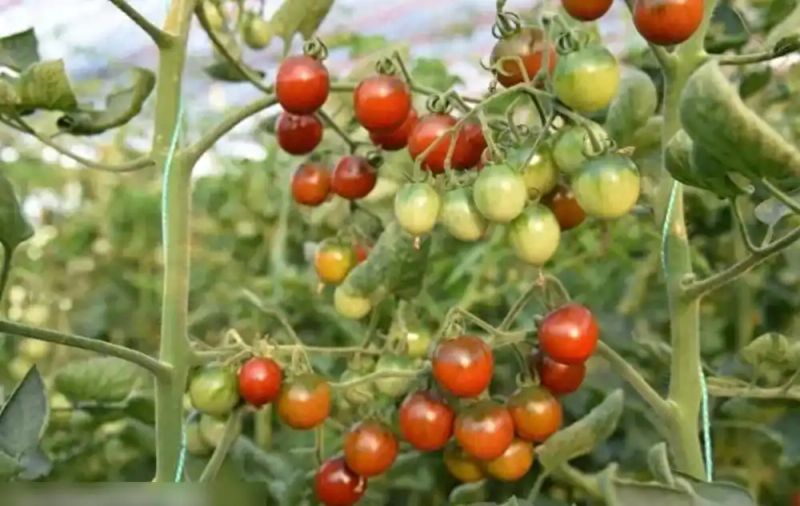
Tomatoes, a fruit and vegetable that are both suitable for family cultivation and good nutrition, are gradually becoming a new pet on the table. Its high-yielding and infestation properties, combined with the sweet taste of sour and abundant nutritional value, have led to a high popularity of tomatoes. As an ideal option for family cultivation, the process of planting tomatoes is not complex and can thrive with reasonable control of moisture and temperature. Its small and lovely fruits, both as snacks and food, are well received by the general public。
02 plant management techniques
Tomato retention technique
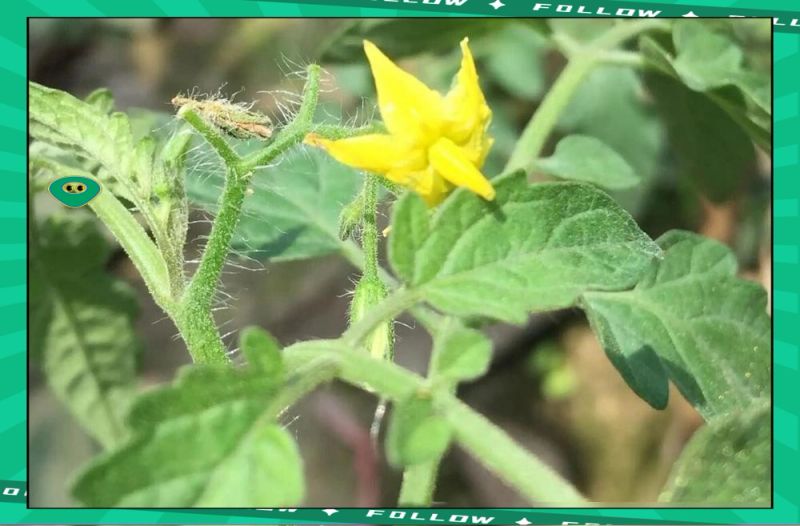
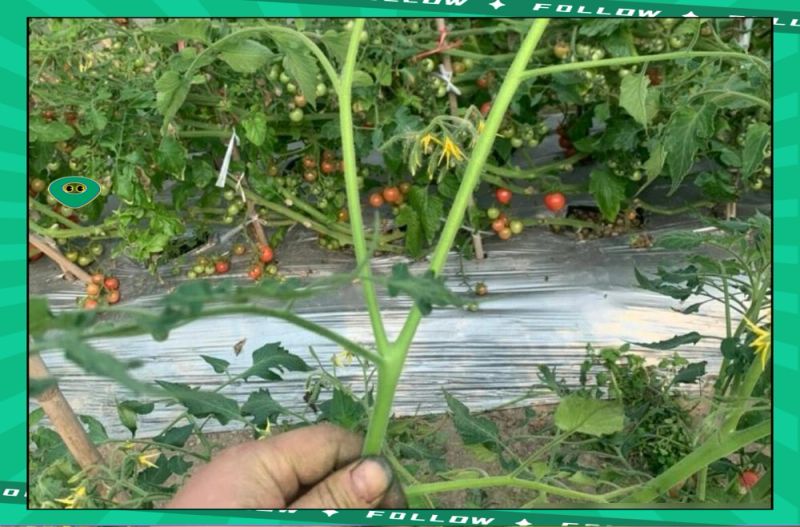
We often refer to the concept of “remaining” during the planting of tomatoes. It means retaining the budding on the main tubing without trimmed, thus avoiding the fall in the top of the stem and thus promoting the planting of plants. In this way, we can increase the number of plants being planted, thereby increasing the production of fruits. However, not as much as possible, too many fractions actually spread the nutrients of the plant, which could lead to some of the fruits rotting because of insufficient nutrients. We therefore need reasonable control over the number of leftovers. In general, we recommend that growers retain only two to three fractions, which would ensure that the nutrients of the plant are distributed fairly, thus ensuring optimal levels of tomato production and quality。
Tomato technique
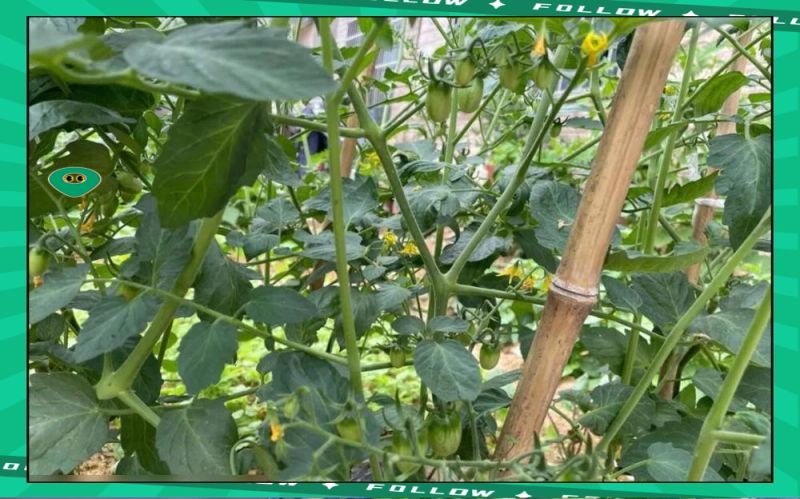
The definition of top-of-the-top: we sometimes use the technique of “top-to-top” during the planting of tomatoes. It involves inhibiting the growth of plants by triming the leaves on the top of the plants so that nutrients can be more concentrated in the provision of fruit. This capping technique is designed to improve the quality and taste of the fruit. The method of implementing the tops is quite simple. When the tomato plant grows to a certain height, we just use scissors to cut the growth point on the top of the plant. This operation can effectively contribute to the growth of the side branches of the plant, thereby improving the yield and quality of the fruit。
03 management by method of cultivation
Management of family cultivation
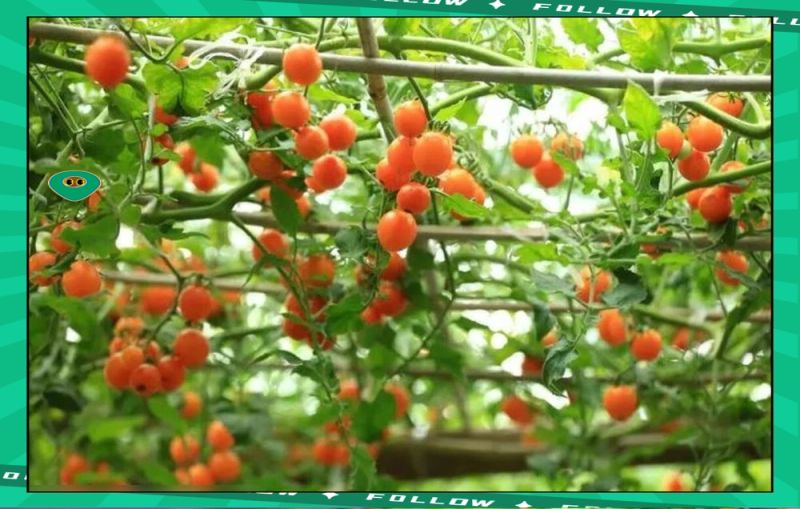
Little tomatoes grown in a family environment are usually treated without the need for roofing. This is mainly due to the relatively small size and relatively slow growth of family-planted small tomatoes. Overcuting may on the contrary damage its productivity and taste. Of course, if you want to get a bigger or more fruit, you can hit it modestly, but make sure that the cut is moderate so that the plant's health and growth are not compromised。
Market cultivation management
For small tomatoes grown on the market, roofing or not depends on the circumstances. If the market places greater emphasis on production, it can top it before the flowering of the tomato in order to promote the planting of plants and thereby increase the number of fruits. If the market is more quality-oriented, it is suggested that the tops should follow the flowering of the tomato to ensure that the quality of the fruit is not compromised while maintaining a certain yield。
04 science and technology applications in agriculture
Development of smart agriculture
The management model of modern agriculture is undergoing profound changes with the rapid development of smart agricultural technology. In the past, traditional agricultural management relied mainly on labour, which was not only labour intensive but also inefficient. However, the introduction of smart agricultural technology today has significantly reduced manual intervention and made management more accurate and efficient. For example, many farms have introduced sensor technology to monitor key indicators such as soil moisture, temperature, and thus to achieve fine regulation of environmental factors such as moisture and temperature. In addition, large data analysis techniques have been widely applied in smart farms, helping them to develop more scientific planting plans through accurate forecasting of market demand。
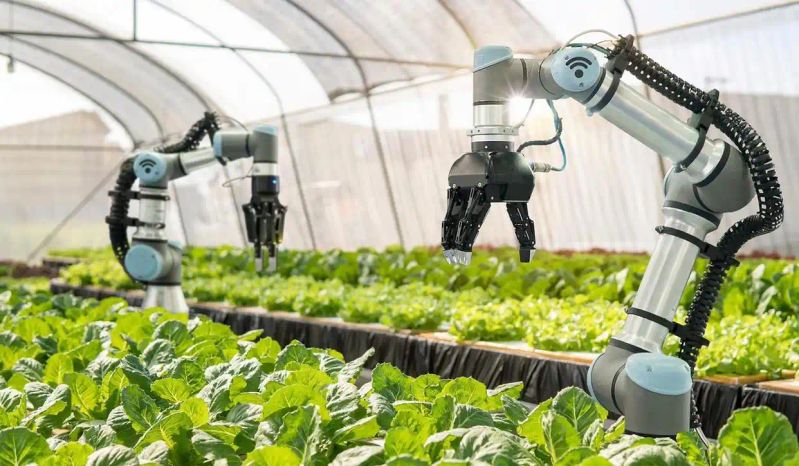
Traditional management and comparison of smart agriculture
Under traditional management models, the production and quality of tomatoes are often affected by a lack of scientific guidance and technical support. Inadequate practices such as over-fertilization and water filling can not only lead to soil contamination but also to nutritional imbalances, which in turn damage the quality of tomatoes and lower yields. The rise of smart agriculture alleviates the problem of multiple and inefficient manual interventions in traditional agriculture and makes the management of tomatoes more scientific and efficient。
05 conclusions and outlook
Key management strategies
The retention and roofing of tomatoes, while having a significant impact on production and quality, lies at the core of science management strategies. We must make decisions on the ground, taking into account the multiple factors of soil conservation and temperature control. Under traditional management models, tomatoes often face low yields and poor quality challenges due to lack of scientific guidance and technical support. However, with the development of smart agricultural technology, modern agricultural management has undergone profound changes。
Taken together, whether we stay here or stay at the top, we need to be flexible in our decision-making and focus on integrated management. Only then will it be possible to produce tomatoes of better quality and better suited to market and consumer expectations。









