


In the old trees of our villages, we used to hang a small, long, bearded thing called the "tree beard" and it was called the winter worm summer grass on the trees. A few decades ago, there was a shortage of paper in the countryside, which was so soft that people picked it up for toilet paper and burned it for nothing. But who would have thought that this invisible “screech grass” had become a rare product worth several dozen times more, and that it had added a lot to the income of the well-known farmers! Today, we'll use the big white words to tell everyone the truth about the tree weed, its usefulness, its harvesting and its preservation
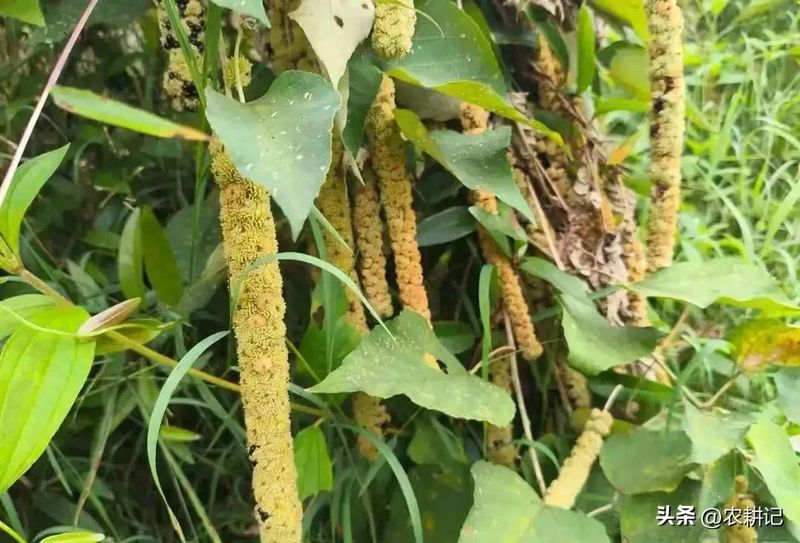
I. Identification of the body: not ordinary grass, but rare “symbiotic baby”
Let's get this straight, it's not real winter grass, but it's a little bit like weed, so it's the name of the common people。
Its proper name is zoro, and it is different in various places: henan, shandong, longshu grass, yunnan, guizhou, and other places called mountain dragons and tree swabs。
Many do not know that pineapple is not an ordinary weed, nor a leaf, but a lichen plant made up of fungus and algae, which is exclusively attached to the trunks of large trees, the most common on pine, oak and euphoria。
It looks so good
• foreign form: a thread, a mustache, long and long, hanging down a branch, up to a metre of more than one metre, with wind blowing with wind, like the beard of an old man
• colours: white, light and green when fresh and dry to light yellow or dark gray
• hand: the text is soft and soft, the touch is smooth and the wind dry is particularly resilient and difficult to break。
Most importantly, the pineapple, which is particularly demanding for air, grows only in a non-polluted, wet old forest and is a natural “air detector”. The city, where the roadside is heavily contaminated, can't see its shadow。
How “cheap” was it in the past? It's all over the country. Gas
When we were kids, pineapple was everywhere in the countryside and the old trees, and nobody used it as a baby
• when toilet paper: previously there were no toilet paper in the countryside, the tanning of pineapples was good and soft, and when the mountain people worked and went into the mountains, they picked it up with their hands and dried it up, used it up and threw it away without any pain
• when the wood is burning: when there's not enough wood when the farm is busy, and the pineapple is dry and flammable, people pull it out of the tree. (b) get down, be bundled, take home for firewood, cook and heat it
• simple herbal medicine: the old people know that pineapple can stop bleeding, work accidentally to cut their hands, scratch their skins, pick fresh pineapples, rub them in the wound, stop the bleeding quickly and not easily inflammated, which is a free rural “concord”
• feeding cattle: former farmers raised cattle, sheep, pineapples, no poison, soft tastes, sometimes tearing them down and eating them。
At that time, in the countryside, it was something that was “discovery, hand-to-hand” and no one thought it would be worth it today, even if it grew on trees, looked at messes and affected the growth of trees, and wanted to rip them off。
How precious are these days? The whole body is precious. It's worth a lot. The elephant
As health awareness increases and wild resources become scarcer, the value of the pineapple is slowly unearthed, turning from “scrap grass” to “baby”, whether it's medicinal, food, or ecological, industrial, and it's for the good
1. Drug value: natural antibacterials, recognized by senior chinese doctors
The pineapple is rich in pineapple, a powerful natural antibacterial ingredient that inhibits many bacteria and fungi, better than many common herbs。
According to traditional chinese medicine, pineapple can be detoxified, coughing, haemorrhaging, which is common in rural areas。
Many old chinese doctors now use pineapple, especially for chronic cough, bronchitis, which is milder than for western medicine。
2. Value of food: natural wild vegetables, nutrients and nutrients
After fresh pineapple, it's a rare "natural wild smell" in the mountains。
Eating is also simple: it can be warmed, fried eggs and soup, and it can be dried up and made tea, and it can keep the heat and the fire warm and the lungs warm, especially for people who regularly smoke and whose throats are uncomfortable。
Compared to ordinary wild vegetables, the pineapple is free of pesticides, chemical contamination, pure wild nature, which is now used as a specialty in city restaurants and in the country's farming community, and is sold for dozens of dollars and often short of demand。
Eco-values: forest “health scale”, protection of forests
As stated earlier, the pineapple is particularly critical of the air, which can only grow in the mountains, which are pure and clean. So where there's a pineapple, there's a good ecological environment, a healthy forest, clean water quality。
At the same time, pineapple is the food of many small animals, such as squirrels, birds that eat it and nest with it, which is an integral part of the forest ecosystem, protecting the pineapple and protecting the ecological balance of the forest。
4. Economic values: scarcity of wild resources and rising prices over the years
Because the pineapple is wild and unable to grow artificially, and now, with deep mountain development and environmental pollution, there are fewer and fewer wild pineapples, with prices rising from one year to the next。
Now, dry pineapple, good quality, good quality, good quality, good quality, good quality, good quality, good quality, good quality, good quality。
Moreover, it is easy to store, transport and sell when sunburn is dry, and pharmacists, farmers, farmers and tea producers are buying in large quantities, on the basis of which well-informed farmers make their money。
Iv. Picking + preserving: hands to teach you how to make money without destroying resources
As valuable as it may be, it is important not to be poached or poached in such a way as to ensure quality and protect the resources of the wild, otherwise it will not be available
1. Timing: the best in spring and autumn and the best in the clear days to pick quality high
• optimal time: april-may spring, september-october autumn, when pineapple is strong, nutritious, effective and of the highest quality
• weather selection: picks when the weather is clear, without open water, and the pineapple picked in the rain contains high amounts of water, is difficult to dry and is susceptible to impurities。
2. Pick-up methods: the use of old and small branches to protect the mother plant
• at the time of the harvest, only aging, dry or excessive pine strip must be cut, and the fresh branch must be kept, so that it can continue to grow, so that it can be taken every year thereafter
• use scissors, not hand-drives, which damage the branches, and tear down the whole pineapple and destroy resources
• picking sites: selection of mountains, non-polluted pine forests, oak forests, roadsides, pineapple in heavily contaminated areas, which may contain heavy metals and cannot be drugged or eaten。
3. Conservation methods: dry seals, tide-proof pests, one year's good
• clean-up: pick up the pineapple, remove the impurities and leaves, wash them quickly with fresh water and dry the water
• drying of the sun: it is laid evenly on the bamboo mat, on the clean ground, under the sun, until it is completely dry and broken, usually for two to three days
• storage: dried pineapple, packed in clean plastic bags, sealed cans, placed in dry, ventilated and cold areas to avoid damp and sunbath, so that it will not be bad for 1-2 years。
V. Reminding: values can be protected if they are perceived rationally to make money in the long term
And finally, let's say to everyone that, while it's worth money, it's not a shortcut to "rich one night" and that it's not an exaggeration to be "gold." let's be rational, not blind, indiscriminate。
• do not exaggerate: pineapple is a good drug, a good vegetable, but not a “therapeutic”, and cannot be a cure for every disease, and can be managed and fed on a day-to-day basis, with little faith in false propaganda
• conservation of resources: slow growth and small numbers of wild pineapples, which must be collected rationally, with only the old branches and the non-destructing of the mother strain, and the protection of the forest environment so that the harvest can be achieved year by year and long by earning money
• proof-of-the-fact: there may be fake, poor quality goods on the market, which are acquired with the eye polished, with clean colours, dry and impurity-free, non-savoury pineapples chosen to avoid loss。
Concluding remarks
Who would have thought that the “tree beard” that used to be visible in rural areas, used to be toilet paper, burned as wood, was a valuable “winter worm summer grass”? It also tells us that the rural mountains are full of treasures, but that many treasures are hidden, unrecognized and wasted。
Our farmers, we come to the mountains with care and observation, and we know the treasure of pineapple









