


The ruby sapling technique guides new dryers
The cultivation of grapes
Temperature
Grapes require different temperatures over time. If the average temperature rises to about 10°c in the early spring, 30 cm of earth temperature below ground at 7-10°c, europe and the united states of america begin to germinate; mountain grapes and them can fertilize at 5-7°c in the field. With the temperature, the new rise accelerates growth and the temperature suitable for new growth and flowering is 25-38°c. The temperature below 14°c is not conducive to pollination. The temperature appropriate for berries at maturity is 28-32°c, and when the temperature is below 16°c or above 38°c, it is detrimental to the growth and maturity of the berries and its quality. Roots start active at a temperature of 7-10°c and grow fast at 25-30°c. The various types of ripening require an effective temperature increase of 2,100°c, for example, for the early shabar pearls, 2,500°c for the queens of the medium curate vineyards, and 3,300°c for the late curator eye。
The capacity of grapes to withstand low temperatures varies from one herd to another, e. G., eurasia and europe and america, with the emergence of cold temperatures of 3 to 4°c; thaws and young leaves occur at 1°c and bouquets at 0°c. During the hibernation period, the new winter sprouts of europe and asia could bear - 16°c to -17°c, with long-born chickens freezing at 20°c. The roots are less resistant to the cold, and the roots of the eurasia species of dragon eyes, roses, vineyard queens, etc., were slightly frozen at -4°c to -5°c, and the 6°c were frozen to death for about two days. The northern region uses the north-eastern mountain grapes or beida grapes for lumber, which are resistant to the cold and have roots that are resistant to temperatures of 16 °c and 11 °c, with a critical temperature of death of 18 °c and 14 °c, respectively, and a thickness of soil that can be buried in winter。
(ii) light
Grapes are radiant plants with higher requirements for light and the length of light hours has a significant impact on grape growth and development, yield and quality. When the light is low, the new ones grow thinly, the leaves are thin, the ears are small, the flowers are abundant, the production is low, the quality is poor and the winter buds are poorly divided. It is therefore required to select a place where the light is bright and to take care of the wind and light conditions on the surface, while properly designing the course, the distance and the use of reasonable cutting techniques。
The ruby sapling technique guides new dryers
The funds were returned to the public. The main obligation of direction lies with xu seon ming of the village branch, and direct responsibility lies with yang guan hong of the village bank account and don dong ming of the village director. In addition, in order to assist in the disbursement of the funds, don deng ming applied the functional facilities of $0. 50 million for proper public goods and $2. 84 million for transfers。
(iii) water
Water plays an important role in the activities of grapes, and nutrition is transported to each other by water dissolved, so water is a vector of nutrition that is evaporated by moisture, regulates the body temperature of trees and promotes the absorption of water and fat. If the soil is too arid, it is difficult to absorb moisture and nutrients from the soil, and light co-operation is reduced, with the risk of eutrophication of the old leaf, loss of it, and even death of the plant. However, excessive moisture can also be detrimental to growth, with flooding for periods normally not exceeding one week, which can continue to grow as usual after flooding; flooding for more than 10 days can cause suffocation of the roots, as well as eutrophication of the leaves, loss of freshness, poor sprouts and even death. Grapes are subject to different water requirements. Adequate water supply is required in the early springs, in the long run, and in the early years of the gestations, usually once in a period of 7 to 10 days, making soil water content around 70 per cent desirable. The soil contains about 60 per cent water before and after berries mature. However, excessive rainfall requires timely drainage so as not to get wet over the big impact berries and be susceptible to disease. If there is too little rain, the water must be pumped once every 10 days or so, otherwise prolonged drought can produce fissures and economic losses。
(iv) soil
Grapes are more adaptable to the soil, except for marshlands and heavy salinization, where the rest of the soil is cultivated and suitable for fertile sandy soil. Different soils have different effects on grape growth and quality. Inhospitable areas can be improved through agricultural engineering and cultivation techniques. For example, in the liaoningen salinous area, the soil contains more than 0. 3 per cent and the direct cultivation of grapes is not viable. However, grapes can be planted after two to three years, when soil salinity is reduced to less than 0. 2 per cent, as a result of measures such as the digging of ditches, salt washing, green manure or local soil conversion and the selection of saline-resistant wood species。
(v) other
In grape cultivation, care is taken to avoid and protect against catastrophic climates such as prolonged drought, floods, severe frost, and wind, hail, etc., in addition to considering the requirements of grapes for suitable climatic conditions. All of this may result in significant losses to grape production. For example, in the growing season, the wind is often fresh, the ears of fruit are shaved, and even the vines are blown out. The summer hail is often sprouted and fruity, which seriously affects grape production and quality. Therefore, the establishment of the site should take into account the emergence and intensity of a disaster factor, reasonable selection of the site, determination of the appropriate course, protection of forest belts and other appropriate protective measures。
(vi) earthless grape cultivation technology
An outline of the facility's techniques for soilless grape cultivation is available for your assistance。
1. Cultivation forms and matrix formulations
Grape-free foundational formulations are based on a mixed matrix dominated by an organic matrix using one third of each of the herbs, organic fertilizers and plant straws, with an additional 5 per cent of river sand and 5 per cent of neptite. Cultivation takes the form of a trough that digs 60 cm deep, 100 cm wide and lays 10 cm rock at the bottom, which is used for underground drainage, is connected to the end of the gutter and is connected to the gutter. The top 50 cm is a matrix layer, with grass-grass, organic fats, river sand mixed beneath it, plant straws and leeches laid on it, watered to the matrix and planted grape seedlings。
The ruby sapling technique guides new dryers
The green section also selects a small number of rural species that can adapt more quickly and better to the weather and soil conditions in shanghai. Otherwise, it would be a cost to consider better and less beautifully, and then the plants that are “deep up” will not be able to adapt to the situation, become sick and replace them with new plants. Multiple passengers。
2. Technology
Fertilisation is dominated by solid inorganic fertilizers. In accordance with the development needs of grapes, urea is tracked three times in the planting year (two times less than soil cultivation) at 50 g/stow each; urea is applied two times at the rate of three cents of urea per acre, 9 kg of urea per acre and 12 kg of urea per acre, respectively, 1/5 and 1/4 for soil cultivation, of which trace elements are sprayed with leaves and 2-3 times a year。
Owing to the growth of grapes and their large root systems, the resistance to pests and diseases is high, ranging from 3 to 4 planting years, resulting in a small growth season of ~5 during the year。
Grapes are grown in a manner that is better than fences. Because the fence is small and the grapes thrive, the trees are worse than the sheds. Based on the results of the experiment, the use of small flat-bed x is easy to produce at an early stage and easy to quality。
3. Production and
Due to the fact that grapes are not ground-based and tend to grow at a rate of 2 to 3 times the size of the soil, the canopy is fast to form, resulting in high production (to control production) in the second year. Glucose glucose is 1 to 2 degrees higher (soluble solids) than soil cultivation, where production is equal to soil cultivation. If austria is free of nuclear weapons, soil cultivation is generally 15-16 degrees, soilless 18-19 degrees and giant peaks 18-19 degrees. To ensure that grapes are grown without soil base, production is strictly controlled. The larvae planted in 2004 were set aside by variety in 2005 - the pre-maturized species (agust, odia non-nuclear) were 750 kg/acre, while the pre-maturized species peaked at 1000 kg/acre。
Grapes are planted in fertile plots that are ventilated, luminous and well drained。
The ruby sapling technique guides new dryers
The plan proposes that by 2020, the greening of villages across the province is expected to reach 30 per cent, the construction of 50 distinct and liveable bush villages and the establishment of five or more greening demonstration districts. The greening of villages is expected to reach 32 per cent by 2022, the greening of villages continues to be promoted, bush villages are well established, the natural ecology of villages falls and effectively protects them, the total amount of greening continues to increase, the landscape of villages is improved from time to time, and the habitat of villages is clearly improved。
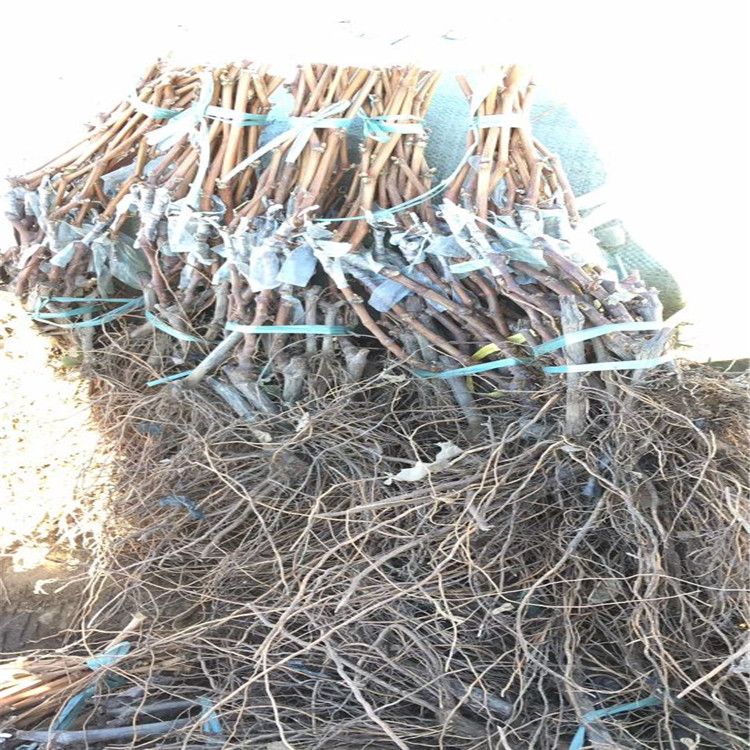
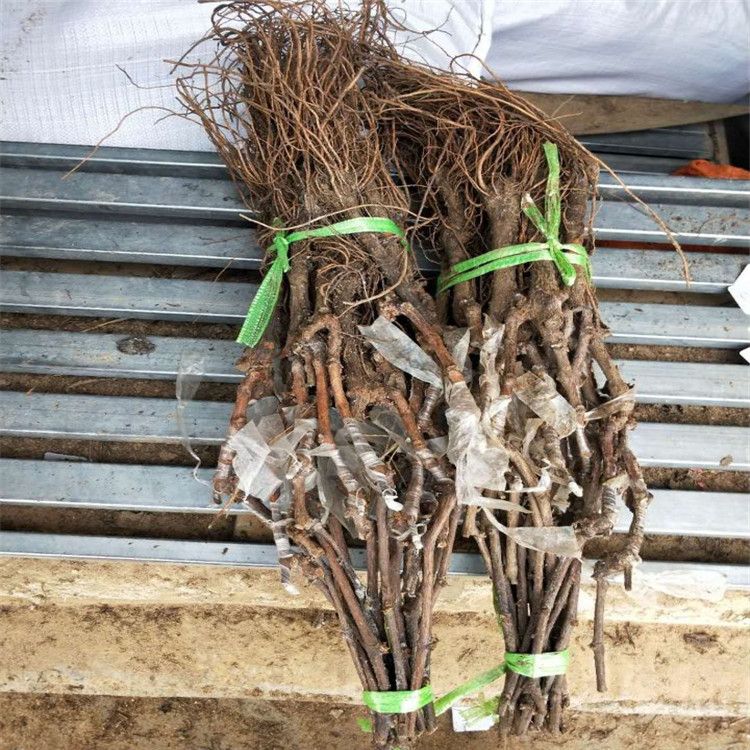
In the north of the country, spring planting has been used, and field planting is generally available in mid-april. We're gonna use a sharp knife to get rid of the wraps outside the marriage. The sprouts of wood so as to ensure the purity and strength of the species, the trees planted shall be laid on the necks of the earth and filled with water, and then shall be laid on the ground so that the trees may be humid and dry, so that they may grow early。
Temperature
Grapes grow at a low temperature of about 12°c-15°c, at a low temperature of about 10°c-13°c, with a bouquet temperature of about 20°c and a fruit temperature of about 20°c-30°c. If the temperature varies significantly by day and night, colour and sugar. Grape spring sprouts after. If the temperature rises rapidly, it tends to lead to long branches, a long and inadequate larvae, and poor bouquets, such as extra phosphorous fertilizer and high carbon organic matter, and as much nitrogen as possible。
2. Lights
Grapes are subject to a certain intensity of light during normal growth, but when the light is too strong, especially during the hard core of grapes, it is more prone to sunburn, where it is possible to keep as much of the leaves as possible to cover the fruit of grapes with bags or leaves. When the sun is short, it can cause the flowering period to fall and the rate is low; the buds of the flowering season are poorly divided and have more single fruit; and the long-lived plant is long and long. Unfinished or single fruit; disease and poor quality of fruit; poor coloring and declining sugar。
3. Soil
Grapes, though grown in various soils (improved), are better on the border and on the fine sandy soil, which is better ventilated ... But less able to protect its water. The border is between sandy and clayy soil. They are more fertile and, for the most part, they are more fertile when grapes grow, are more susceptible to running flowers and to single results, and are strong and productive when high-temperature light conditions are good。
4. Water
Grapes require higher moisture, and strict control of moisture in the soil is a prerequisite for good grapes. Grapes require more water in the early stages of growth or in the long term, and less water in the later stages or at the end of life, so as to avoid root-effect-free quality。
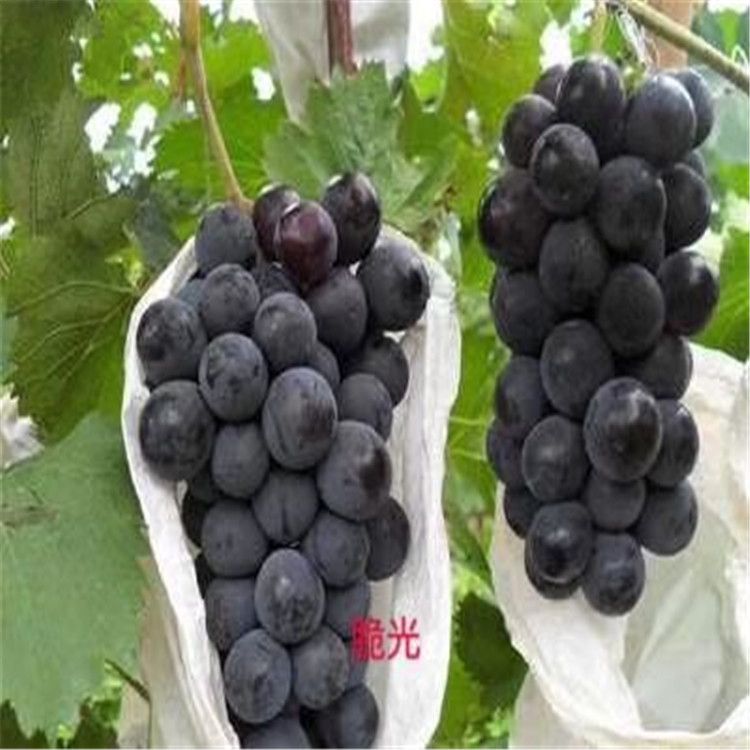
There are more excellent varieties of grapes, and fresh foods suitable for cultivation in the northeast are the peaks, tamei, kyouta, finger, rubies, shaanxi quota 8 and torupan's titan。
The ruby sapling technique guides new dryers
Today, four enterprises in the park have been identified as high-quality enterprises, 28 small and medium-sized enterprises with technology in yunnan province and 30 agricultural technology enterprises, which initially constitute research and development in science and technology incubation, plant formation, soilless cultivation, new varieties of breeding, agro-processing, cold chain logistics, etc. As a next step, the park will be built around agricultural science and technology parks and will be strengthened in terms of basic equipment for the year and the night, management of smart parks, innovative entrepreneurship, technological research and development, and matching。









