


The onions are lily, they are richly fragrance and spicy, and they are often used as cooking and spices。
The roots of the onion are long, the underground parts are spasms and the floor parts are leaves that can be eaten。
The high nutritional value of onions and the abundance of vitamins and minerals, especially vitamin c and calcium, enhance human immunity and promote bone health。
Onions are usually planted in the fields, and farmers regularly fertilize, water and weed them。
It also contributes to the economic development of rural areas, both by ensuring the quality of onions and by making full use of land resources。
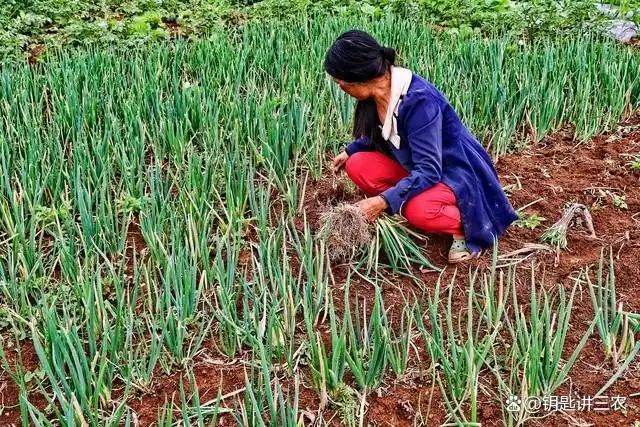
Onion plantations can generally be divided into two parts, above ground and below ground。
The subterranean part consists mainly of stem and root, while the subterranean part consists of straight tubers and thin leaves。
Onion parts of the ground are cyclically harvested。
The first harvest is usually carried out over a long period of approximately 50 to 60 days and can then be collected every 20 to 30 days。
The onion leaves, which are richly fragrance and spicy, are widely used in cooking and can be used for food, juice, perfume, etc。
The high nutritional value of onions, rich in a variety of nutrients such as vitamin c, calcium and iron, has many benefits for human health, such as increased human immunity and the promotion of bone development。
At the same time, onions are of medicinal value and have some application in chinese medicine。
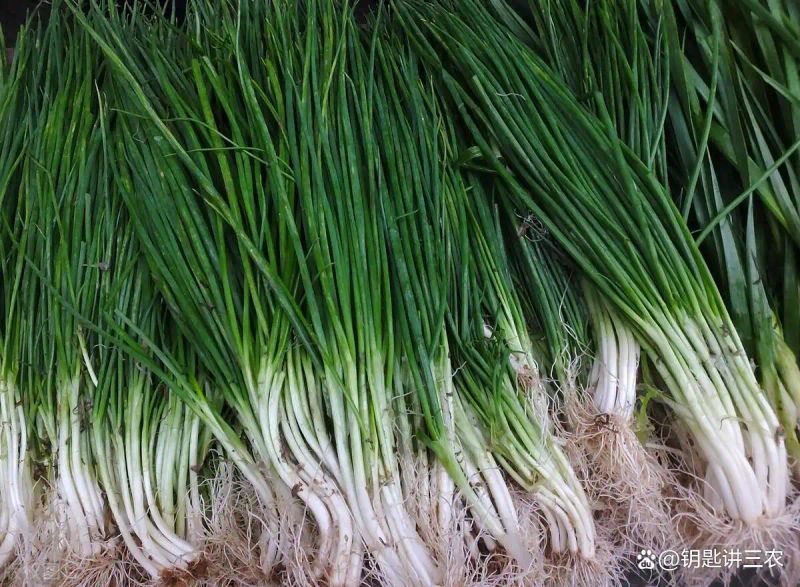
What are the natural factors suitable for onion growth
Temperature: onion growth temperatures range from 15°c to 25°c, preferably not more than 30°c in summer。
2. Light: onions should be sun-lighted for more than nine hours, with too few notes leading to long and shrinking plants。
Rainfall: onions require appropriate rainfall, typically between 800 and 1,200 mm, and excessive or too little rainfall affects plant growth。
4. Air humidity: onion requirements are high for air moisture, with an appropriate relative humidity of 60-80%。
5. Soil conditions: onion requirements for soil are relatively easy, but soil is more suitable for fertile, well-drained, acid alkalinity between ph 6. 0 and 7. 0。
In short, these natural factors are essential in the growth of onions, whose production and quality can be effectively enhanced by sound management and protection。
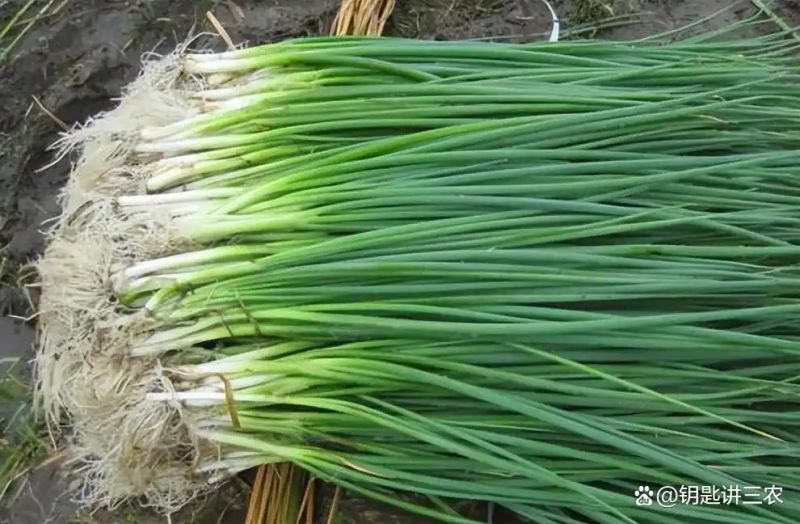
What's the difference between the onion management patterns at different sites
Onion management patterns vary from one place to another and are mainly influenced by a variety of factors, including climate, soil and market demand. Specifically:
1. Climate factors: climate conditions vary from region to region, with some regions warmer in the summer and colder in the winter, and appropriate measures are needed to protect onions, such as the need to increase water and shade during the summer, and to keep warm during the winter。
Soil factors: the nature of soil also varies from region to region, with poor soil fertility in some areas requiring increased fertilization and soil improvement, such as soil protection in desertification areas to prevent soil erosion。
3. Market demand: market demand also varies from region to region, with demand being high in some areas, where intensive management can be used to scale up production using facilities such as sheds to increase production and efficiency, to region where demand is small, in the form of family-based farming or farming cooperatives。
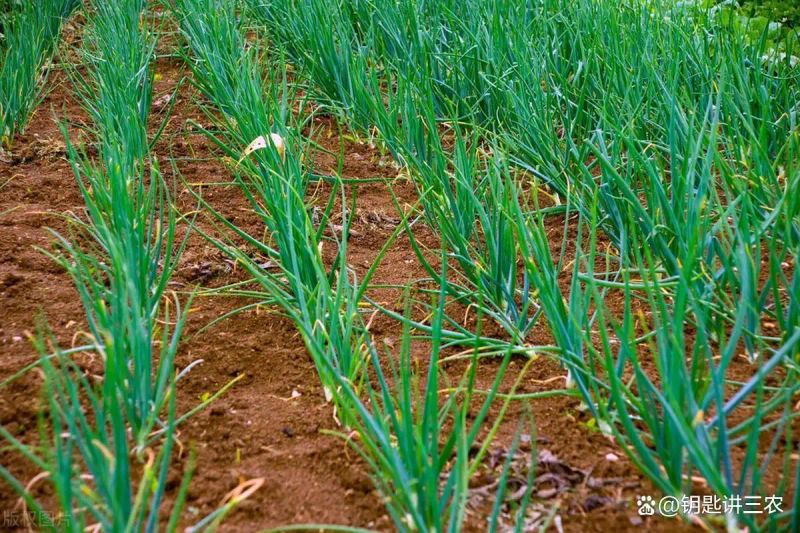
4. Management techniques: the levels of onion management technologies vary from region to region, as in some developed countries where onion production has tended to be automated and intelligent, to less developed countries where limited technology requires external support and innovative technologies。
In general, the management model for onions in different sites is tailored to the local context and adapted to the specific situation in order to improve production and quality。
What modern technologies are used at onion plantations
Modern technology is widely used in onion plantations, including, inter alia, the following:
1. Technology for the cultivation of large sheds: the sheds can effectively manage and protect onions by controlling temperature, humidity, light, etc., to improve yields and quality。
2. Integrated technologies for water fertilization: integrated technologies for water fertilization can save water, reduce loss of water fertilization and improve production and quality。
3. Environmental technologies: environmental technologies, such as biological control techniques, organic fertilizers, can be used to reduce the use of agricultural inputs and pollution during onion cultivation。
4. Land improvement techniques: soil improvement can increase soil fertility and moisture conservation, and common soil improvement techniques include organic amendments, plaster application, etc。
5. Information technology: improve production efficiency and management through the full-scale management and real-time monitoring of onion cultivation through technological means such as material networking, remote monitoring and intelligent management。
6. Plantation structure optimization techniques: using different cultivation methods, such as intercropping, shifting cultivation, etc., can effectively use land resources and environmental conditions to increase the rate of onion growth and production。
In conclusion, modern technology plays an important role in the onion plantations, with high-yielding, high-quality and efficient production benefits。
What's the point of onion fertilizing and deworming
Fertilizers: onions prefer fertile soil, and onions need to be fertilized. It is proposed to use organic fertilizers, which should be applied in the spring, and to increase fertilizer usage to meet onion growth needs. In addition, care is taken to avoid excessive application of nitrogen fertilizer, which would otherwise lead to onions being fertilized and decayed。
Irrigation: onions require high moisture requirements and lack of water can lead to drying or atrophy. In irrigation, care should be taken to control water volumes, avoid over-irrigation and vertical ingestion, and the use of drip irrigation or spraying is recommended as an effective means of reducing water waste。
Deworming: aphids, white ticks, parrots, etc. Are common onions. When combating pests, the use of heavy metal-like pesticides should be avoided and it is recommended that the application of organic protective agents be preferred. In addition, crop rotation, intercropping and so forth can help to reduce the number and hazards of onion pests。









