


Every year between september and october, similar messages are sent to the back office: seeds are bought in piles and few seedlings; they grow so hard that a cold tide is down; or the harvest period is too short for two meals. These questions seem to be related to planting techniques, but to the root, the choice is not clear。
The price of the green and green seed bags on the shelf ranged from a few to a dozen, and the difference was not significant. What really opens the gap is what's invisible behind the packaging — whether the seedling rate is stable, cold resistance can hold the sudden cooling, whether the harvest period can extend to cover the entire autumn winter. Today, with the original brand of winter-resistant spinach seeds as an entry point, we look at the fall and winter selections and see how they bring about change in experience and how we choose between needs。
I. Determination behind red packaging
For the first time, the winter root spinach seed, the most intuitive impression, was packaging. The red tone, with large green spinach blades on its front, is a field of open spinach planting, with rows written on its side of early ripe growth and cold resistance. The packaging also contained 100 per cent identification of good and quality seed. Together, it's a very simple commitment: the seed was sifted from breeding to sealing。
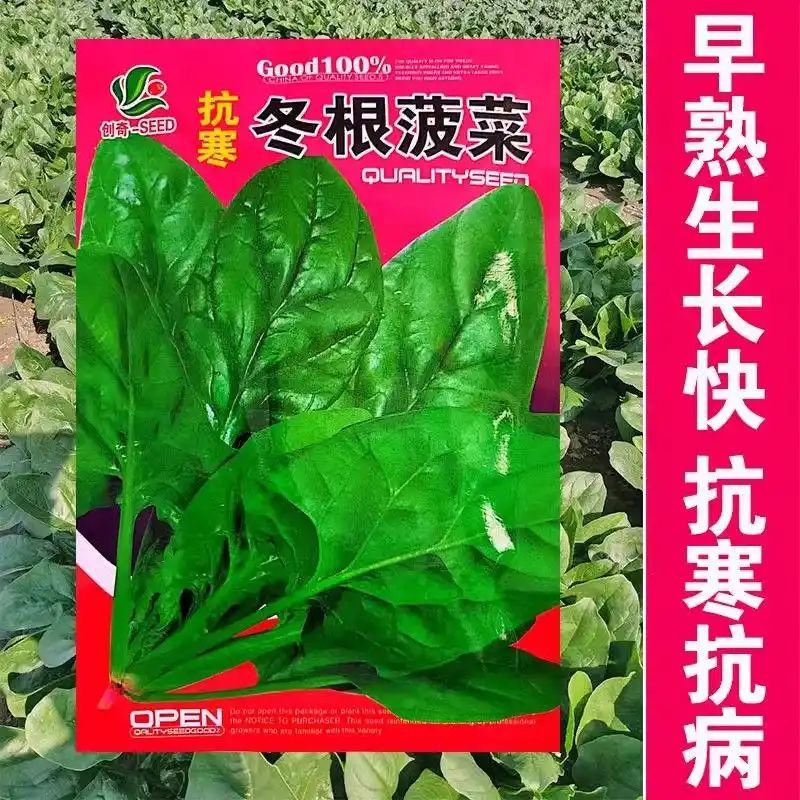
The specification is 20 grams. The weight is relatively friendly for family cultivation, with several long basins on the balcony, or a small field, which basically covers an autumn and winter planting. Unpacked, seed particles are saturated, with no visible shreds or impurities, which is the source of confidence in the first layer。
However, packaging is ultimately packaged, and what really makes people want to buy again in the next year is what it does after planting。
From seeding to harvest, certainty is more important than anything
Autumn and winter are different from spring. Temperatures go up in the spring, with the wrong space; the temperature goes down in the autumn and winter and is stuck to nodes at every step. The characteristic of early ripening and fast growth is that the value of the fall and winter scene will be magnified — one day of early seeding, one more day of accumulation of biomass before cooling。
It's another kind of insurance. The worst thing to fear from open-air cultivation is sudden frost, slow recovery from leaves and, if serious, immediate loss. Good, cold-resistant varieties can temporarily maintain the basic growth momentum at low temperatures and do nothing。
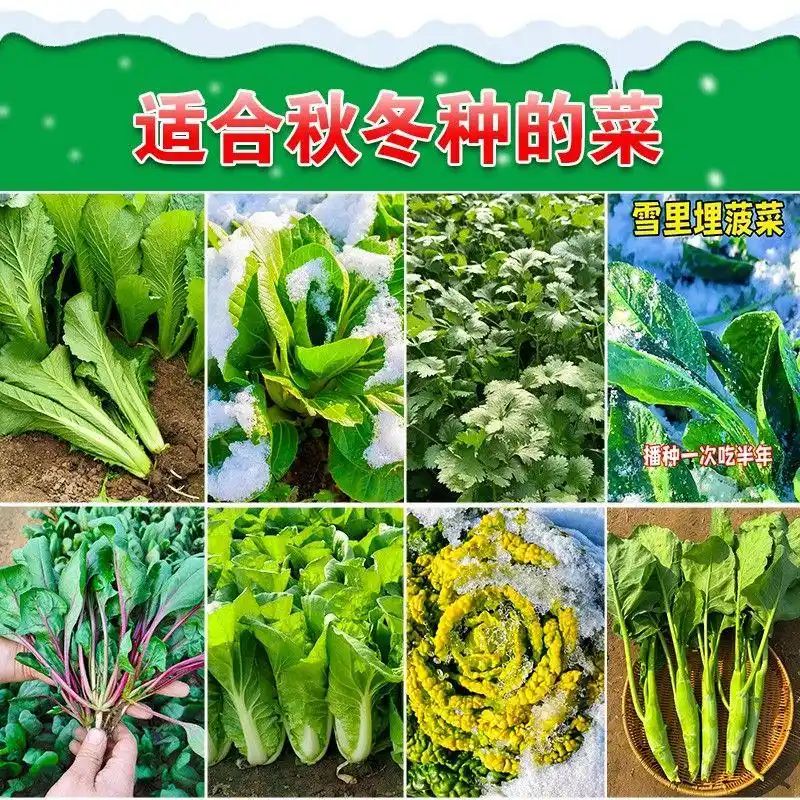
And there's another item in this product that deserves to be singled out: spinach in the snow. It's a little exaggerated, but when you understand its growth logic... I don't know. Vegetables in the snow are characterized by a high degree of cold tolerance, a part of the land that is covered by snow during the winter, and a return to growth after a return to temperatures, with harvest periods extending from autumn to early spring the following year. For those who want to be able to choke a fresh spinach at any time in winter, the value of this type is not so much the amount of single production as the ability to sustain supply。
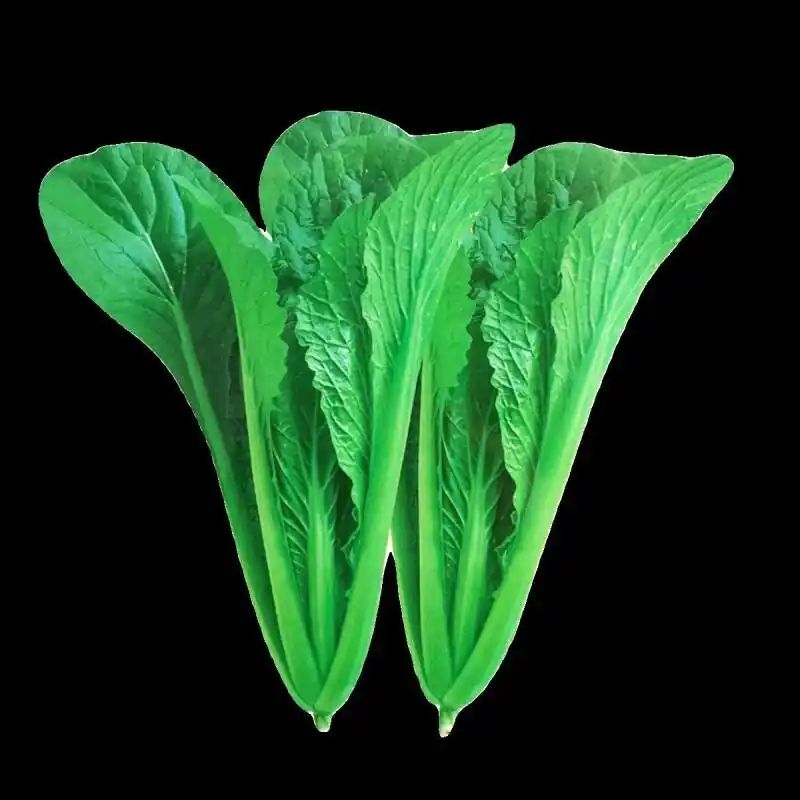
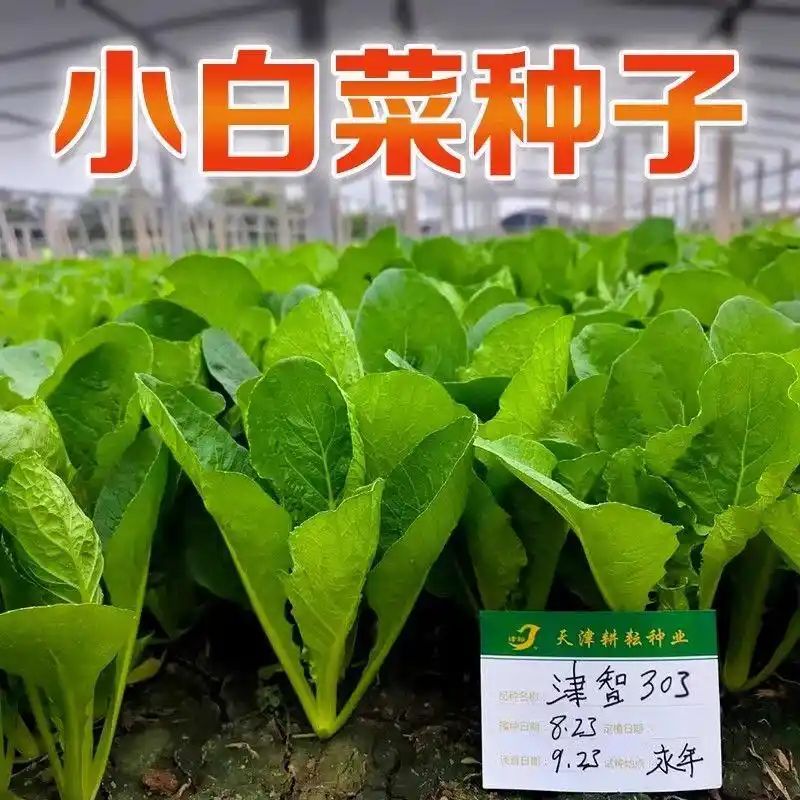
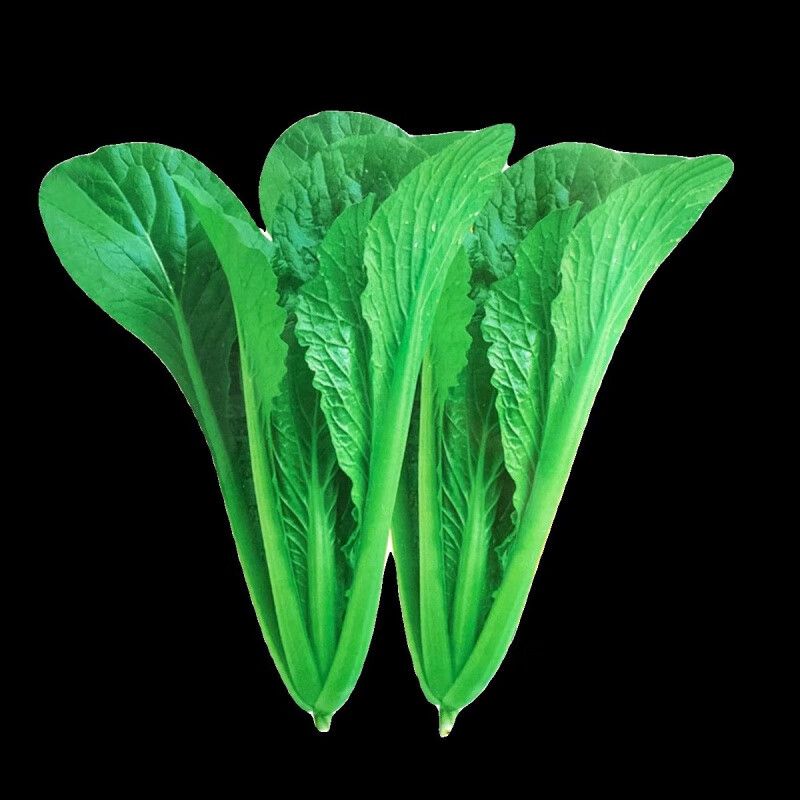
It's a little cabbage seed. The information on the variety is clearly indicated in paragraph 303, which is the product of the tianjin cropping industry: the planting date is 23 august, the harvest date is 23 september and the test site is forever in existence. The cycle is very friendly for newcomers who want to see results quickly, just one month from seeding to harvest. Fresh green blades spread, with clear veins, and full of vegetables, with larger operating space, both for seedlings and whole harvests。
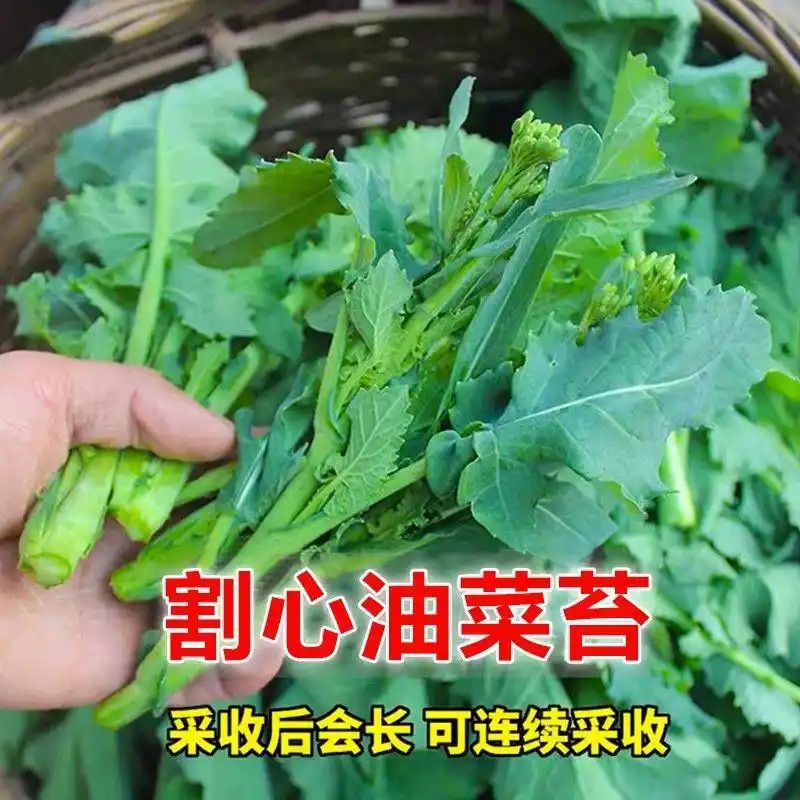
There is one other category that deserves attention: heart-cutting moss. It is characterized by continued growth after harvest, which can be collected continuously. The fresh green belt looks nice, and it's good to suffocate it or to mix it. For balconies, this is a long cut and the output is much more efficient per unit area than a single harvest of vegetables。
Iii. Speculation diversion: your planting space determines your choice
Having learned the characteristics of the core, the next question is: what should i buy
There is no standard answer to this question, but there is a basis for judgement — your planting space and the energy you can devote。
If you only have a balcony window or a couple of long tubs, give priority to cabbage and casserole. The cabbage has a short growth cycle and can be harvested in about a month. The cuisine, though slower to grow, is cold-resistant and has few pests and pests for the autumn and winter seasons. The light requirements for these two items are not stringent and can be met from the southward windowsill。
If you've got an open garden or a roof garden, the combination of spinach and veal and snowball is more stable. Spinach picks cold winter roots, crumblings, and snow viewing yellow hearts, which are typical of fall winter leaves, are cold-resistant and tastes sweeter after the frosting. The combination is characterized by long harvest periods, from late autumn to spring。
If you want to try the pattern of continuous harvest, it's worth a try of cardiac moss and mustard blue. The common denominator of these two groups is that they grow twice after harvest and, if properly managed, they can reap more than once again. Garlic can also be included in this combination, growing in the autumn and winter, collecting garlic in the spring, and stretching longer。
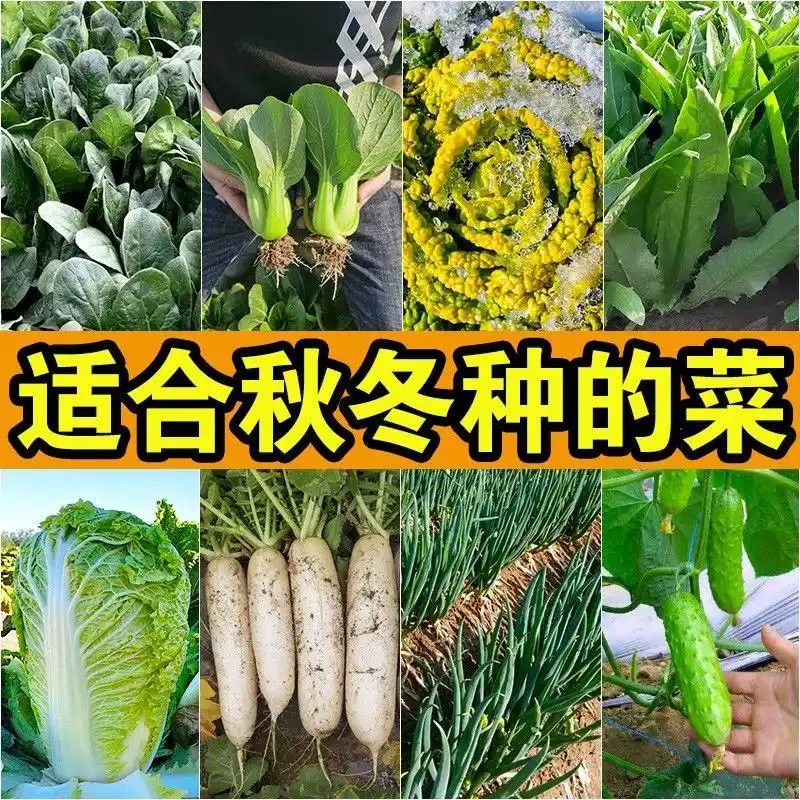
In addition to the above-mentioned items, the series covers lettuce, cabbage, cabbage, onions, cabbage, carrots, cucumbers, cucumbers, cabbage, cabbage, milk cabbage, yellow heart, shanghai green, wheat and so on. The advantage is that you don't have to switch from brand to brand and that a fall and winter planting scheme can be matched in one place。
Iv. Recognization: standard and real limitations
The tianjin cropping industry has accumulated over the years in the field of vegetable seeds, and the 303 species of jin ji has a clear seeding and harvest date record, and the test sites are clearly marked. This transparency is rare in the farming industry - it means that the performance of varieties has been physically validated, rather than at the level of propaganda。
But let us be clear on a few practical issues。
First, the sprout rate is clearly influenced by temperature. The suitable sprout temperature for spinach and cassava is between 15 and 20 degrees celsius, and if the temperature is high or low at seeding, the seeding time is increased and the yield rate is reduced. This is not a question of seed quality, but rather of the characteristics of the species。
Secondly, the sowing depth needs attention. The small seed grains of cabbage and moss, which are too thick, affect the seedlings. It is generally recommended that the soil be between 0. 5 and 1 cm thick and that the soil be moist but not water。
Thirdly, fighting cold is not the same as not being afraid of freezing. Cold-resistant varieties can sustain basic growth at low temperatures, but adequate cover protection is still necessary in the event of extreme temperatures. The environment for open and balcony cultivation varies widely, and the performance of the same species varies from scene to scene。
Fourth, there are applicable scenarios for both conventional and hybrid species. Conventional species can be preserved and suitable for those who want to recycle themselves; hybrid species tend to be more advantageous in terms of yields and resistance, but they are separated from the rest. Choose which depends on your planting habits。
V. A fall and winter rhythm
Longer time lines, the fall and winter foods actually have rhythms。
The planting of cabbage in mid-august and the first harvest in mid-september. This time node is clearly indicated in the 303 information of jin ji, and is a reference for those who want to eat their own food before or after mid-fall。
From september to october is the main broadcast period for spinach and crumbling. At this point, the temperature is falling and it's good for cold leaves. Following this broadcast, october to november was a long and productive period, after which the harvest period began. The harvest of spinach in the snow can continue until the next spring。
The gravitational moss, after harvest, re-emerges and, if properly managed, can be collected again every other time. This pattern of sustained harvesting makes the supply of green leaves on the autumn and winter tables more flexible。
The answer is much clearer when you figure out what is missing at your autumn and winter table. If there is a shortage of green leaves, spinach and snow cover that can be choked at any given time, if there is a lack of a sense of quick-impact achievement, then cabbage and moss are more appropriate, and if there is a shortage of vegetables that have changed throughout the winter, then combine them and stagger different harvest periods。
Autumn and winter vegetable seeds are full of spinach cabbage, cabbage and cabbage
Twenty-three
There's no reason for a 100% gyeongdong rating
Purchase
Seeds are not expensive per se, but the time and expectations that are invested in planting are real. With the right species, this expectation will not fail。









