


As the standard of living continues to rise, there has been a profound change in demand for vegetable land, from a previous quest for quantity and affordability to a quest for quality, nutrition and health outcomes. Pumpkin, as an emerging specialty, has become one of the main vegetables in our city's urban and rural market in recent years. In order to adapt to market demand, production has improved to high density, multiplication, anniversary production and conservation plant cultivation patterns, with desirable economic and social benefits。
I. Pumpkin field nutrition and food practices
1. The nutritional health of pumpkin seedlings is of value not only for their taste, taste and taste, but also for their nutrients, which are rich in chlorophyll and in many humans, such as essential amino acids, minerals and vitamins. There is some healing effect on various diseases such as diabetes, artery sclerosis and digestive ulcer。
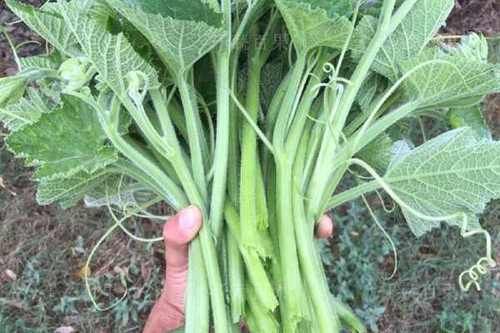
2. The method of eating is a little green in the pumpkins, a little sprouts, a little leaves and a little leaves, as well as a little flowers and plums, which should be prepared by tearing off the fibrosis of the surface of the ground and then washing it in the water, rubbing it down a few times and removing the hair from the face of the leaves. There are two main types of ground dishes using pumpkin seedlings: firstly, they cut inches, and then they are cooked under fire with spices such as oil, salt, spices, peppers, etc.; secondly, they are cut and then they are made with tatters and buns。
Ii. Transfer, high digital employment technology
1. The selection of varieties and the treatment of seeds must be based on the cultivation of chinese pumpkins, which are best served by local varieties, such as cucumber pumpkins, grinder pumpkins, pillow pumpkins and long-stamp pumpkins in the south sudan. Pumpkin seeds need to be tanned for a period of 1-2 days, with 50°c hot water to heat up 5-10m and soak the seed。
2. Fertilizing and cleaning the soil in the sand, which is protected by water, soaks in the sun, soaks in the ground, soaks in the ground, soaks in the ground, so that it is 1 to 1. 5 m wide and soaks in the ground, and soaks in the surface at 10 cm or 15 to 20 cm range。
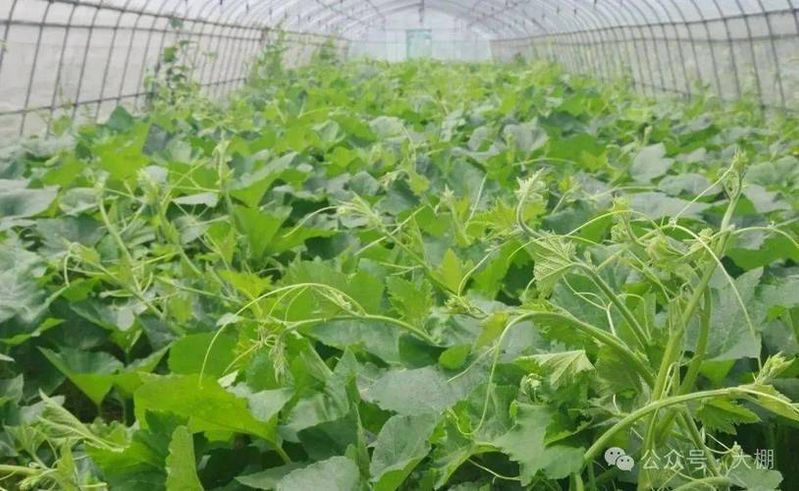
3. The planting period and seeding methods are field-planted, and from mid-april until the end of august, lots of seeding will be set up, with seed seeding to be broadcast in caves of 2 to 3 per cave or at intervals of 3 to 4 cm. It is then watered and covered by 2 cm of soil。
4. The management of nursery-plant management places focuses on ensuring an adequate supply of fertile water. When it's 40 cm or so, with 5 to 6 leafs, it can harvest in batches by pulling the root up and cutting the root and putting it on the market. It can also be cut from the ground area of the 1-2 real leaf, put on the market by cutting the seedlings, then re-enacting the nitrogen fertilizer, prompting the aluminum sprouts on the root, which, when they grow to 40 cm, can be taken for the second harvest. This repeated harvest, combined with the application of 80 x 10-6 concentrations of chromosomal solution during the 5-7 days preceding the harvest, can significantly improve yields and quality。
Iii. Protected employment technology
1. The membrane cover of early matured plant cultivation may be advanced until late march. It is then watered and covered with trophic soil, and the membranes are then levelled with earth. The seedlings were released and allowed to grow under the membrane until mid-april, after the cold had passed, before the membrane seedlings were broken, and each seedland was surrounded by thin earth that opened its mouth. Other management measures are described above. The harvest period is half a month earlier than the field cultivation site。
2. The early ripe planting period of the membrane and small arch sheds could be advanced until late february, when seeds were sowed and the membranes were laid, and the arch sheds were built immediately. The small arch sheds can be used with a thin membrane of the ground, which is luminous and ordinary, but when the small arch sheds are built, they are to be compacted at both ends of the platinum and cross-stamped with the plastic sheet line to protect the wind, with heavy earth pressure around them. After seedlings are released, they can break membrane seedlings, but they are not released until they are recovered. Other management measures are described above. The harvest period can be more than one month earlier than the field planting site。
3. The planting period for the planting of very early and mature crops in the multi-layered areas of the shed should be advanced until late october. Small arches are built and membranes are laid inside the shed, and sowing density is 30 to 50 per cent higher than field cultivation. When seedlings are produced, the temperature inside the shed is properly controlled to avoid high temperatures causing the growth of the seedlings. We're going to have to warm up over winter. The harvest period may be advanced before or after spring。
4. Autumn delayed planting has three priorities. The first is the pumpkin seedling, which was planted late in the autumn and cultivated, and which was adapted to the august planting and harvest of 1 to 2 times an old vine, using a strong root system of the pumpkin seedling to increase resilience; the second is the early filling of the membrane to keep it warm and long, usually in mid-october; and the third is the improvement of the quality of the melon seedlings, due to their extreme fibrosis, through such measures as fattening, foot water, polyacin spray and hard harvest。









