


Cultivation sites in the current season are often referred to as bases, and they function well beyond simple plant cultivation. Its core operating logic is based on cross-applications of plant physiology, soil science, microclimate regulation and directed morphology management. In the case of two representative varieties, the “demonstrations” and the “gold celebrations”, the process of nurturing them reveals a complete chain of assistance in the production of flowers, from standardization to artistic intervention。
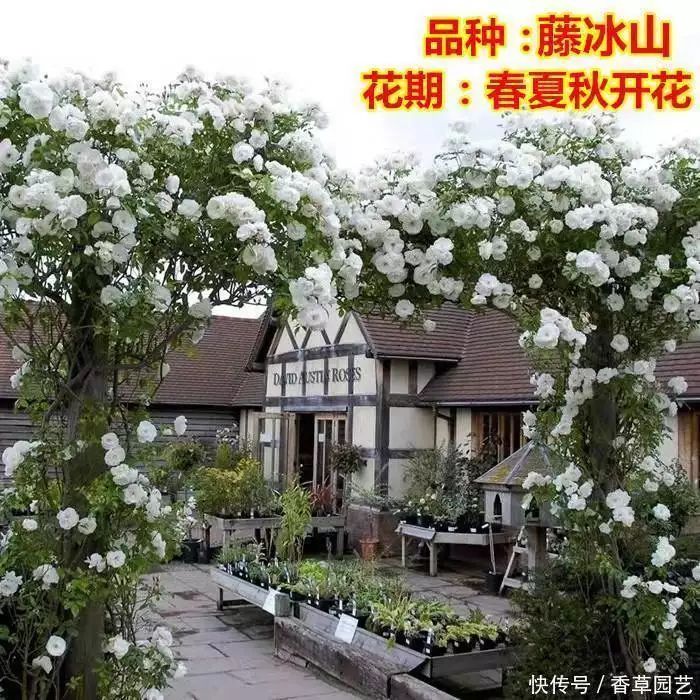
The achievement of this type of assistance depends primarily on synergy between the hormonal regulation inherent in plants and external physical guidance. This season itself does not have real rollers or straws, and its ability to climb stems from the growth advantage of the burgeoning branches of the year, as well as their resilience. In the base, plant growth regulators are precisely used to control the length of the nostrils and the timing of the sprouts, thus creating a sufficient number of plastic branches of suitable length. At the same time, the trainers pre-set various support structures, such as arches, grids or stand frames. These structures are not later decorative, but rather spatial plans that were established at the early stages of planting the trees. Trainers tie new branches in a similar direction, which can break the top edge of the plant and encourage more branches to develop, thereby creating dense branches in a short period of time. For strong-growing varieties such as “demonstrations”, the horizontal pull is effective in transforming their nutritional growth into larger bouquets, while for large and relatively strong varieties such as “gold celebrations”, the pull angle needs to be adjusted to balance weight and shape。
The construction of the environment is the underground basis for the flourishing part of the ground. The soil of the base is not natural soil but a designed composite matrix. The formulations typically include peat, coconut, pearl rock, rotting organic matter and mineral components, with the core objective of achieving a balance between air, water and nutrients. Ventilation prevents oxygen-decomposed roots and water conservation ensures a steady water supply, while the slow release of nutrients avoids sharp fluctuations in soil solution concentrations. Irrigated systems often use drip irrigation to transport moisture and soluble fertilizers directly to root areas, which is a precise supply that not only improves efficiency but also keeps the leaves dry and reduces the risk of disease. For different species, such as “demonstrations” and “gold celebrations”, the base ratio is fine-tuned to the frequency of irrigation, such as those with higher demand for fat water, with a corresponding increase in output and frequency of drip nodes。

Up-line full-time game, up-line full-time game start-up watch, up-line vip roller
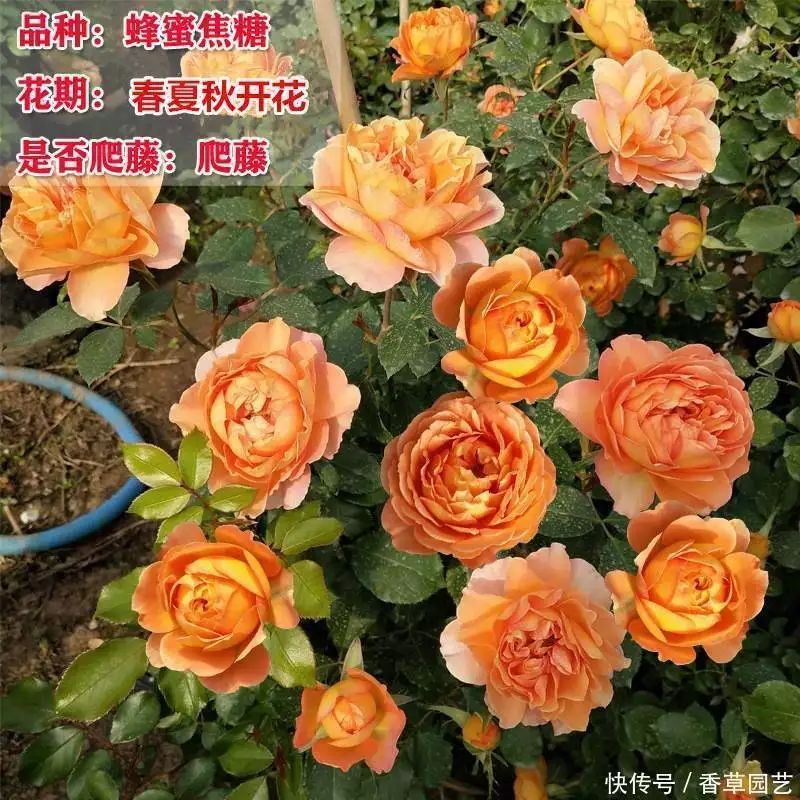
Protracted regulation and quality management involve fine control of light cycles, temperature and nutrition distribution. For the most part, the season is a season of repeated flowering, with chromosomal sprouts significantly affected by environmental factors. In the base, photo-cycles can be regulated by refilling or masking, thereby inducing or inhibiting flowering during unnatural flowering periods. Temperature management is concerned with the accumulation of effective warming to ensure the synchronization of the development process of the bud. Nutritional management follows the principle of a phased approach: nutrient life focuses long-term on the supply of nitrogen to promote the growth of branches, while budding increases the proportion of phosphorus and potassium, coupled with the necessary trace elements such as boron and calcium, to increase the quantity and quality of buds. The yellow apricot and saturated form of the “gold festival” flower is dependent on sufficient potassium elements and appropriate light intensity during the critical period of the bud's development。

It's a story. It's a new play
Integrated pest management strategies are based on prevention and biological balance. Closed climbing structures can easily create a high-wet environment and become hotbeds for fungal diseases such as pollinosis and black spots. The base's preventive measures begin with the selection of varieties and planting density planning, ensuring ventilation. Daily monitoring uses traps and regular patrols aimed at early detection of insects or disease spots. Priority is given to biological agents, such as the introduction of dictums. The control of red spiders and the application of formulations of the bacterium mollusc to suppress pathogens. Chemical agents are used as a last resort only when threshold values are exceeded and select environmentally friendly, highly exotic products and strictly observe safety intervals. This strategy ensures healthy farming while maintaining the ecological balance within the base。
Post-flower trimping and plant renewal are key technical links to sustaining the viability of growing plants over the years. Cutting is not a simple cut-off, but is based on trophies. For varieties that bloom on old and old branches, the backbone framework needs to be maintained, with the side branches being condensed only; for varieties that bloom on new branches, more radical and up-to-date cuttings can be used to boost the growth of the base. Every year during hibernation, trainers systematically cut out the weak branches, the cross branches and the branches of excessive ageing, and re-route the branches retained, making room for the next growing season and optimizing their configuration. The process is like a periodic “replacement” of plants, concentrating their energy on new high-quality branches。
The expansion from monoplant management to landscape construction reflects the artistic dimension of nurturing. Modelling in the base is the process of using plants as plastic materials for space creation. On the basis of predefined landscape patterns, such as walls, arches or cylinders, trainers need to predict the direction and intensity of the branch's growth and provide forward-looking guidance and fixing. For soft and fast-growing varieties such as “demonstrations”, the rapid coverage of large areas is appropriate, while the “gold celebrations” are more often shaped as a focal point for arches or galleries because of their elegant cup-shaped and relatively organized branches. The success of the modeling depends on an integrated understanding by trainers of the growth of varieties, the weight of mechanics and the proportion of visual aesthetics。
The maintenance and optimization of variety characteristics depend on stable applications of non-sexual reproduction techniques. The large-scale breeding of “demonstrations” and “gold celebrations” in the base is carried out either by adhesion or by marriage. Plug-in can reproduce 100 per cent of the mathematic properties, but root systems may be slow to develop; marriage is common to resistant and adaptable mussels to increase the growth and environmental adsorbency of the sibling species. The treatment of the nodal points is essential, and it is necessary to ensure that the healing is good and visible in order to prevent sick intrusion and breeding. The whole reproduction process is carried out in a clean, humid and manageable environment, securing the purity and health of the tree from its source。
Environmental sustainability is an implicit guideline for the operation of the modern monthly base. Water resources are recycled through drip irrigation systems and rainwater harvesting; plant residues, such as cutting branches, are crushed and composted back to the matrix system; pest management emphasizes ecological balance and reduces reliance on chemicals. These practices reduce the consumption and emissions of external resources from production systems and allow flowers to grow in addition to value appreciation and in line with modern agricultural production concepts of resource pooling。
1. This season's scalding pattern is the result of a synergy between plant built-in growth hormones and external physical traction techniques, which translates growth into expected morphological structures by, for example, breaking the horizontal bindings of top advantage。
2. Efficient nurturing relies on precision regulation of the root micro-environment, the photo-temperature cycle and the nutritional supply, where customized composite matrix and drip irrigation systems provide a stable and reliable underground basis for healthy growth of the plant。
3. Long-term plant dynamics are maintained and landscape art is shaped by a scientific retrofitting system based on variety characteristics and forward-looking design that combines plant growth habits with space aesthetics。









