


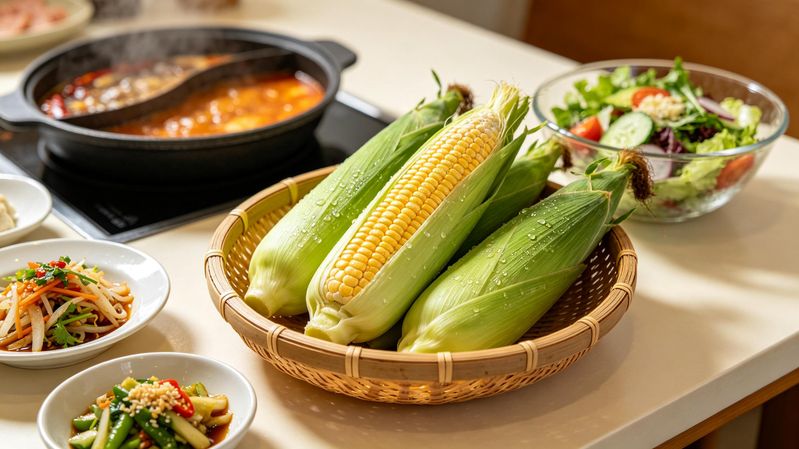
Part three says thumb watermelon. Real properties are melons, oral acids, the main value of which is in the form of novelty and tablet effects. It's not a reduced watermelon, it's not as sweet as a watermelon. Analysis highlights: its consumption landscape is more experiential, restaurant-type, gift-type, not suitable for mass fruit. The point is clear: the thumb watermelon is not per se a pseudo-science, but the price is easily raised by the concept of “mini, import, netred”. Practical advice: it is easy to taste, and long-term daily consumption depends on unit prices and personal taste; it is not considered a substitute for high-nutrient fruit。
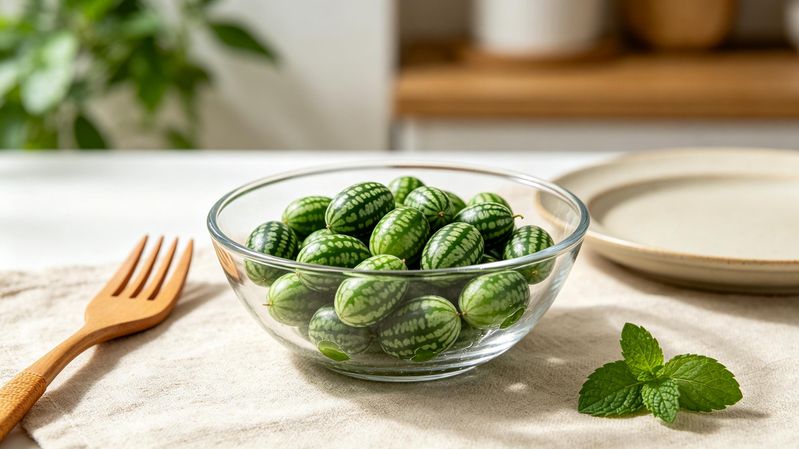
The fourth part says blast peaches. First, it is not a code name, but a common term used in parts of the world for beautiful, sweet or special peaches. The risk is that the name is too broad and that different origins, different varieties and different management methods may be called explosive peaches. Analytic logic: peaches are delicious, depending mainly on species, maturity, crop management, cold chains and after sale, rather than on the adequacy of the name. Practical proposal: buying peaches to see production areas, varieties, single fruit weights, sugar tests, freshness and sales should not be limited to “explosive” “super sweet” labels such as “cruise on trees”。
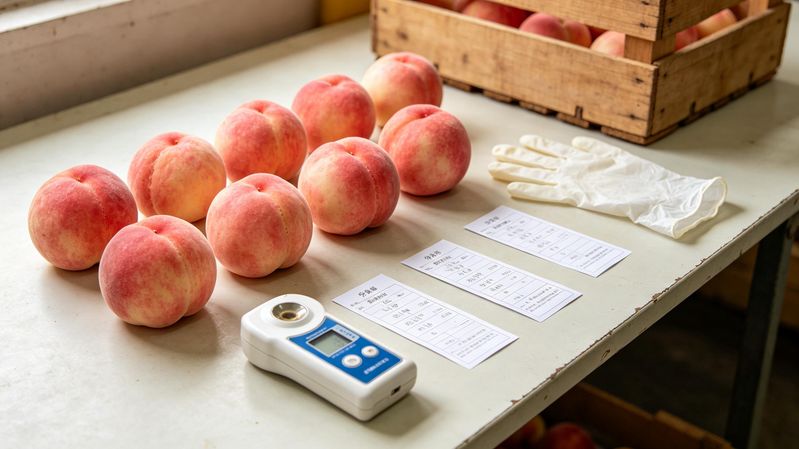
And then you go to the core: what's capital? Not all commercial packaging counts. The real need for vigilance is to replace product standards with vague concepts; to replace detection data with stories; to create anxiety with a sense of scarcity; and to replace long-term quality with red belts. Common to the four categories is that there is a real product base, but it is easy to conceptualize and market prices。
The original idea follows: the true moat of agricultural products should be varieties, production zones, standards, cold chains and brand trust, rather than simply a good name. If a food sells at high prices only by name, appearance and visual shock, sooner or later consumers vote with their feet. This section emphasizes positive and positive: encouraging innovative agriculture, but calls for real expression。
The practical value component is listed: the standard, the place of origin, the freshness, the testing, the sale, the unit price. For example, the purchase of beef is not just about “salving salt for feeding”, the purchase of corn is about “net-red vegetables”, the purchase of thumb watermelons is about “mini-import” and the purchase of peaches is about “explosion super sweet”。
The final discussion: what else have you seen wrapped up in high-priced food? Which one do you think is most worth trying for? Welcome to the comment section about your judgment and share your experience of “new foods”. Focus on accounts, i will continue to use the big words to break down the true logic behind agricultural products and food consumption。
Declaration of exemption:
This paper is intended only as an agricultural consumption observation and knowledge sharing and does not constitute an investment, farming or marketing proposal. The view is based on open information and common sense, and the value of a particular product is based on the physical, test report, place of origin criteria and market pricing. Do not interpret this as a negative characterization of any commodity。









