


Many of the old rural communities grow silk melons and have a special headache: the vines have to grow, crawling with piles of shelf and green oil, and look particularly strong, either without flowering, without cucumbers, or with a few cucumbers, and then the whole silkmelon looks rich and the harvest is small。
In fact, the silkmelons are not grown by the fatty of the water, but by the fury of the vine. I've been growing silk melons for more than a decade, and i've felt the temper of them: they're the typical "breathers" and the more they let go, the more their leaves grow, the less they sit. If you learn the old farm's one, two, three dozen tops, you don't put on extra fertilizers, you don't work around the clock, you grow vines, you have festive melons, you have a silk melon that can outgrow two or three others。

Today, using the most glamorous language, the whole silk melon is managed for dry products, all of which are the experience of the earth, and can be used in small gardens, open-air gardens, large sheds and this year's production。
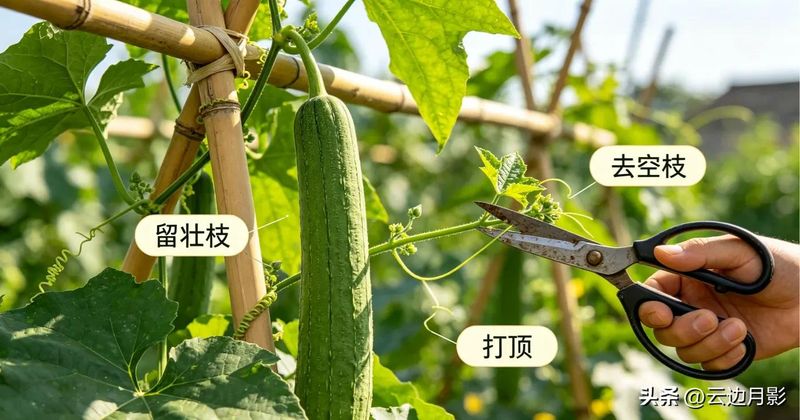
I. One stay: chickens, strong branches, fruit branches, productive skeletons
The biggest mistake for many of the new breeds is to strangle the branches, leave all the branches, feel the leaves are good enough to work together and produce more. In fact, the melons are limited in nutrients, the branches are too mush and messy, and all nutrients are used for the long leaves of the ivy, and they are not available for flowering melons。
The so-called “one stay”, the core is to leave only useful chickens and to abandon all useless branches。
1. Maintaining a strong host throughout the journey
The guacamole reach the upper shelf with only one coarse chicken, and the sprouts are temporarily removed. The chicken is the backbone of the whole silk melon, which has its roots in the deepest and most stable, and all the big melons and good melons in the later stages are basically grown on the branches of the chickens and the chickens。
If there are too many branches on the front side, the main chickens grow weaker, the vines are weak, and the posterioris are weak, it is easy to show melons and stiffs。
Two, keep the high-quality side branches on top
When the main chicken climbs up to a shelf and is above one metre and five feet above, it is possible to keep a few staggers of strength. Only the thick, thick leaves and symmetrical branches, which are flowering and stable, are key to high productivity。
3. Keep melons and flowers jing
In the later stages of growth, any branch with a female or a small guacamole shall be kept in its entirety and shall not be trimmed at will. These branches have already entered reproductive growth, and if they have sufficient nutrients, they can grow into large silk melons。
An old farmer sheltering the pit
It is better to be greedy than to be small or strong, not to be rich or weak. The skeletons are stable, the late melons are big and large, and they are not easy to fall off。
Two, two: empty branches, chickens, no long air
It is not enough to have a silkmelon on top of it. It must be done quickly. This is also a crucial step that is ignored by the vast majority of farmers and is at the heart of the melon's leaves。
1. Complete elimination of flowerless space jing
There are many branches of silk melon shelf with leaves and no flowers from the beginning to the end, which are called the “blank branches”。
They grow so fast that they are mad at the soil for their fattening and their main nutrients, specifically “dinning or not working”. If they are not cut off in time, the whole raisin is drained, resulting in a lack of nutrients in the branches, which results in small flowers, difficulties and the fall of the guacamole。
When you look at the silk melon, you look at the vines, there are no flowers, there are no chubby branches, and you cut them out of the root, without any pain. And when you're done, you'll find that the rest of the results are growing。
2. Removal of muddled chickens and overlapping branches
The summer rains are high, the temperature is high, the guacamole tends to spread particularly fast, and many of the vines fall down and drag, entangle and fold。
Draging vines and vines close to the ground, with poor ventilation and light, are particularly susceptible to soil disease, causing frosting, rotten leaves and rotten melons。
The overlapping branches are heavily shielded by a lack of light, air and heat and humidity, not only because they do not bloom, but also because they are particularly vulnerable to insect infestation。
When it is done, the mowers, the cross-twigs, the intangible fowl are cleaned up. The melons are ventilated, radiant, uncrowded, half of the disease is less, and the seating rate is double。
Three, three, tops: a phased top, control of the guacamole, the more the knot gets
Like other vegetables, silkmelons are always crazy, but they don't work. The “triple-tops” described by the old farmer are the three stages of the sapling period, the upper shelf period, and the fiery period, each with a different approach and a very different effect。
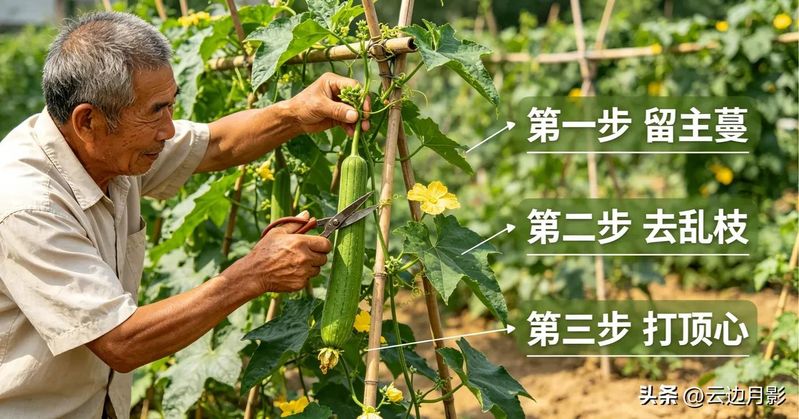
1 first peak of shrunk season (diversion)
When the guacamole grows to four to six real leaves, it takes the first light tap。
The top buds are removed, the top edges are broken, the saplings are divided into branches as soon as possible, the posteriori branches are fully saturated and the cauliflowers are in more position。
Two. The main chicken is on top for the second time
When the main chicken climbs over the shelf and grows to the top of the shelf, it takes a second hit。
The chickens are not allowed to continue to grow up and rise wildly. After the main chicken has been capped, the nutrients are no longer vertically grown, all of them flow back on branches and flowers, and concentrate on the flowering fruit。
Many of them grew up on the roof of the house, and they never hit the top, and they ended up tall and uncut。
3 and the side branch results top 3
When the side branches bloom and the cucumbers come out, two leaves are left in front of the cucumbers, and then they hit the top。
Each branch is responsible only for the guacamole, which no longer continues in the ivy, and all nutrients provide the fruit of the cucumber, resulting in straight, thick, tender and virtually no deformity。
If the top is not hit, the side branches extend indefinitely and nutrients continue to be delivered to the top of the vines, the melons slowly fertilize because of lack of nutrients。
It's got a lot of care skills for lazy people
1. Less nitrogen-based fertilizer and additional potassium phosphorus
The silk melons are most afraid of too much nitrogen fat, more than one, and the vines must grow crazy。
A small number of thinly fertilized seedlings during the seed season, with a focus on phosphate fatting during the flowering period, and the promotion of flowers to prevent emptiness。
2. Dry watering
The silkmelon is wet but afraid of flooding, and in the summer it is not filled with water. The soil is sorely arid that it is water-controlled, the vines are not grown and the fruit is more stable。
3. Elimination of old leaves in time
The yellow, old and sick leaves on the lower shelf are regularly removed, reducing nutrient consumption, increasing the body ventilation and reducing the incidence of disease。
I don't know
It is true that the silk melons are not afraid to work quickly, nor to be fat, but they are afraid that they will be poorly managed and will be left to their madness。
Remember this one
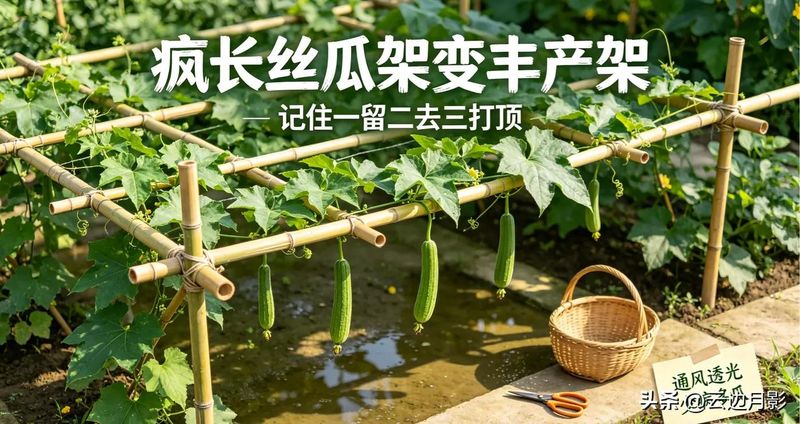
One strong arm, two empty branches, three steps to the top, and a whole spade
As long as it is managed in such a way that it is not fertilizing, it is easy and easy to grow a large smelt, and it is easy to feed the neighbourhood and raise the revenue。









